



Best DeepSeek Alternatives for 2026

Table of Contents
Quick Answer: What Is the Best DeepSeek Alternative?
The most suitable DeepSeek AI alternative depends entirely on what you need from an AI platform. For business workflow automation, Sintra AI offers a structured, agent-based approach that goes beyond what a single chatbot can deliver.
For general-purpose productivity, ChatGPT and Claude remain the most capable and well-rounded options. For research with real-time, cited sources, Perplexity is the strongest choice. And for teams that need access to multiple AI models without managing separate subscriptions, Poe by Quora provides that flexibility in one place.
The comparison table below breaks down each platform by use case, key strength, pricing, and how it positions against DeepSeek.
When DeepSeek released its R1 reasoning model in early 2025, it caught the attention of the entire AI industry. The model matched the performance of leading AI systems at a fraction of the cost and reached the top of the Apple App Store within days. It triggered one of the most talked-about moments in recent tech history.
As more teams began evaluating it for real-world use, a different set of questions emerged. By January 2025, 52% of consumers had already used ChatGPT, and 54% said they were likely to engage with an AI chatbot on a brand's website - meaning the baseline expectation for AI is already high. Questions about data privacy, infrastructure reliability, business integrations, and whether a single AI model was sufficient to support the demands of a growing operation followed naturally.
Some platforms have responded to these gaps with a fundamentally different approach altogether. Sintra AI, for example, replaces the single chatbot model with specialized AI employees, each dedicated to a distinct business function.
This guide compares the eight strongest DeepSeek alternatives in 2026 across AI workspaces, research tools, content platforms, and conversational assistants, to help you identify the right solution for your specific needs.
| Tool | Best For | Key Strength | Pricing | Comparison to DeepSeek |
|---|---|---|---|---|
| Sintra AI | Business workflows & automation | Specialized AI agents per role | From free | Workflow automation vs. raw model access |
| ChatGPT | Everyday productivity & versatility | Largest ecosystem, multimodal | Free / $20+ per month | More polished, costlier per token |
| Claude AI | Long-context reasoning & coding | 1M+ token context window | Free / $20+ per month | Superior document & code analysis |
| Google Gemini | Google Workspace users | Deep Google ecosystem integration | Free / $19.99 per month | Better for Workspace, less cost-efficient |
| Perplexity AI | Research & real-time search | Cited, sourced answers | Free / $20 per month | Research-first vs. general chat |
| Grok AI | Real-time social & news data | Live X (Twitter) integration | Free / $30 per month | Stronger real-time data, newer platform |
| Writesonic | Content & SEO teams | AI writing + GEO visibility | Free / $39+ per month | Marketing-focused vs. general model |
| Poe by Quora | Model comparison & exploration | Access 100+ models in one place | Free / $5+ per month | Multi-model aggregator vs. single model |
8 Best DeepSeek Alternatives to Try in 2026
Selecting the right alternative to the DeepSeek AI model comes down to model quality, automation depth, pricing, and whether the platform is built for individuals, developers, or teams. The list below covers both AI chat models and productivity platforms to help you find the right fit for your specific workflow.
1. Sintra AI
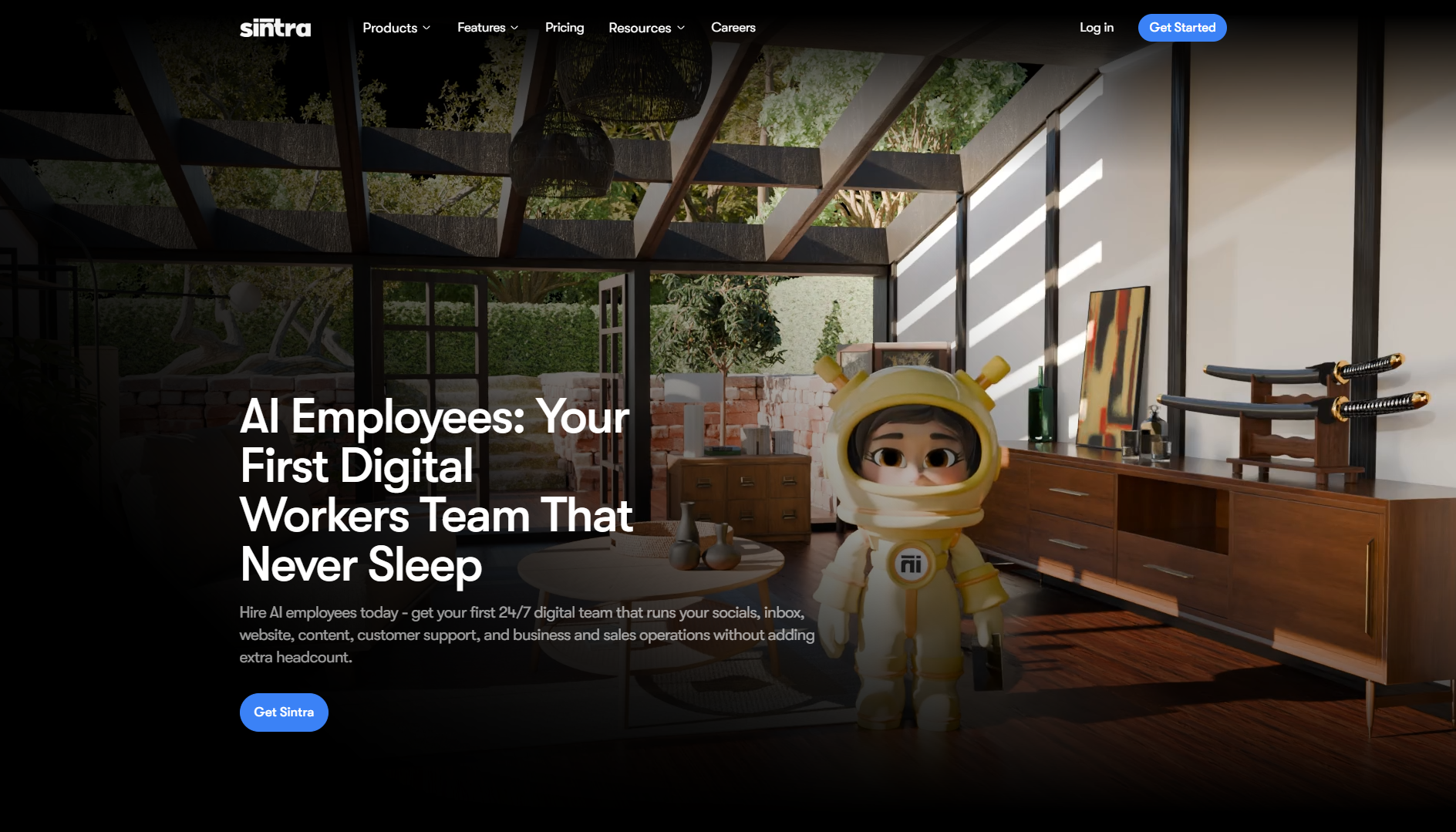
Sintra AI takes a fundamentally different approach from platforms like DeepSeek. Rather than providing a single chatbot, Sintra organizes AI capability around specialized agents, each designed for a distinct operational function. This makes it less of a chat tool and more of an AI workforce, particularly useful for startups and small teams that want AI embedded into their actual workflows.
Some of the agents in Sintra's lineup include:
- Cassie handles customer support operations, managing routine queries and drafting consistent, brand-aligned responses
- Soshie functions as a dedicated social media manager, generating content, identifying trends, and maintaining a structured posting strategy
- Scouty supports research and recruitment workflows, from sourcing candidates to compiling and summarizing findings
- Commet manages ecommerce engagement and community communication, keeping customer interactions organized and responsive
- Vizzy extracts actionable insights from business data, summarizing meetings, schedules, and activity into clear, structured overviews
Each agent is purpose-built for its domain, meaning teams work with an AI that already understands the context of the job rather than adapting a general-purpose tool to fit. Sintra also connects to a wide range of tools through its AI integrations, making it straightforward to embed into existing workflows.
Key Features
- Agent-based task delegation across distinct business functions
- Specialized AI employees for marketing, research, support, analytics, and ecommerce
- Centralized workspace to manage multiple AI workflows in one place
- Shared knowledge base ("Brain AI") for consistent context and outputs
- Context-aware responses aligned with brand voice and business data
- Integrations with tools like Gmail, Google Drive, Notion, and social platforms
- No-code task execution and workflow automation
- Multi-workspace support for managing different projects or clients
- Built-in content creation, research, and summarization capabilities
Pros
- Multiple specialized agents vs. a single generic chatbot
- Built for operational business workflows, not just chat
- Strong for startups and small teams that need automation without a large team
- Growing integration ecosystem
Cons
- Less suited for deep technical tasks like competitive coding benchmarks
- Requires some onboarding to set up agent workflows properly
- Not designed primarily for raw model API access
Pricing
Sintra uses a subscription-based pricing model, starting at $39/month for a single AI assistant and $97/month for full access to all 12 AI employees (Sintra X). Annual and multi-month plans reduce the effective cost to around $16–$39/month, depending on the billing term.
2. ChatGPT
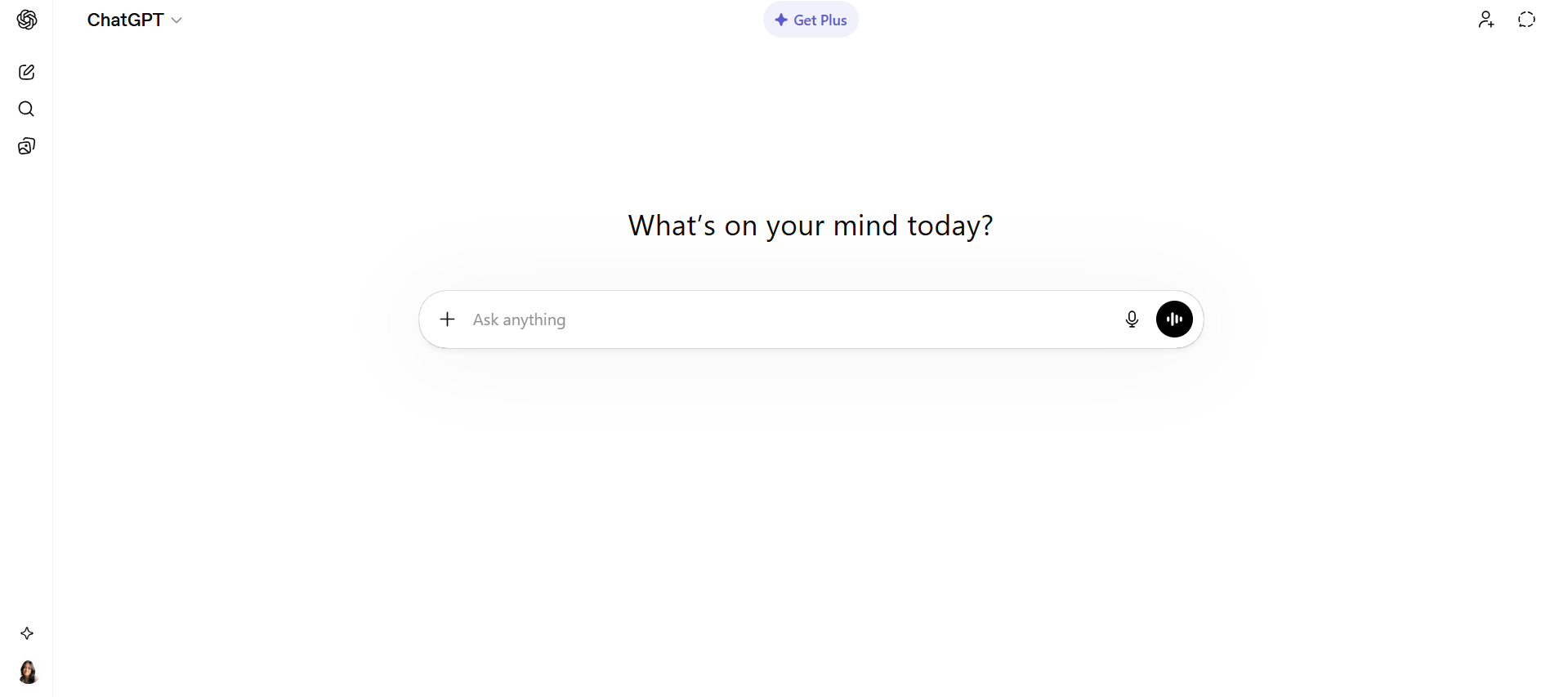
ChatGPT is the most widely recognized AI platform in the world and, for many users, the natural starting point when evaluating alternatives to Deepseek. Developed by OpenAI, it has matured into a comprehensive productivity tool with strong capabilities across writing, coding, research, image generation, and autonomous task execution.
For most general users, ChatGPT's polish, integrations, and reliability justify the higher cost compared to DeepSeek. Where DeepSeek holds an edge in mathematical reasoning and step-by-step code explanations, ChatGPT leads on multimodal tasks, creative work, and overall platform maturity.
Key Features
- GPT-5.x model access across all paid tiers
- Multimodal capabilities covering text, image, voice, and video
- Deep Research for multi-step, in-depth research tasks
- Codex for advanced coding assistance
- Agent Mode for autonomous task completion
- 60+ app integrations on Business plans, including Slack, Google Drive, and GitHub
Pros
- Largest user base and most mature AI ecosystem available
- Strong multimodal capabilities, including image and video generation
- Extensive plugin and integration library
- Consistent performance across a wide range of everyday tasks
Cons
- More expensive than DeepSeek on a per-token basis
- Free and Go tiers now include ads in the US
- Can feel generic for highly specialized or technical use cases
Pricing
ChatGPT offers six tiers in 2026: Free ($0/mo), Go ($8/mo), Plus ($20/mo), Pro ($200/mo), Business ($25/user/mo), and Enterprise (custom). The Plus tier remains the most practical choice for professional users, including access to the full model suite, Deep Research, Sora, Codex, and Agent Mode at $20 per month.
3. Claude AI
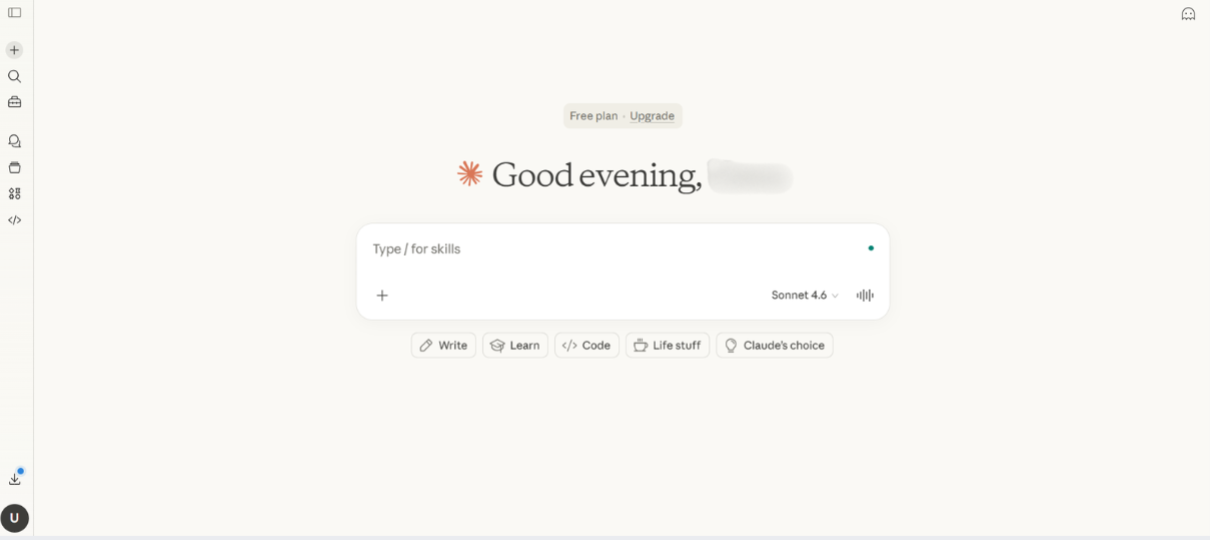
Claude, built by Anthropic, has become one of the most respected AI assistants for users who need sustained reasoning across long documents, complex coding tasks, and nuanced analysis. In 2026, Claude leads industry benchmarks in coding, PhD-level science reasoning, and agentic task completion, while maintaining a reputation for reliable and precise outputs.
Where Claude holds a clear advantage over DeepSeek is in long-context handling. While DeepSeek performs well on reasoning tasks, Claude maintains coherence across hundreds of pages of text, making it particularly well-suited for research, legal work, and large-scale data analysis.
Key Features
- Up to 1 million token context window on Claude Opus 4.6
- Extended Thinking for complex, multi-step reasoning tasks
- Claude Code for agentic software development
- MCP integration with 6,000+ third-party applications
- Cowork ability for autonomous multi-step task execution
- Native integration with Google Workspace and Slack
Pros
- Best-in-class performance for long-document analysis and complex coding
- Claude Opus 4.6 achieves 80.9% on SWE-bench
- Strong safety design without compromising on capability
- Well-suited for research, legal, and technical professional workflows
Cons
- Cannot generate images natively
- More conservative than some competitors
- Claude Max tier is a significant investment for individual users
Pricing
Claude is available across five tiers: Free (basic access), Pro ($20/mo), Max ($100–$200/mo) for unrestricted access to Claude Opus 4.6, Team ($30/seat/mo) for collaborative use, and Enterprise (custom pricing) for large organizations.
4. Google Gemini
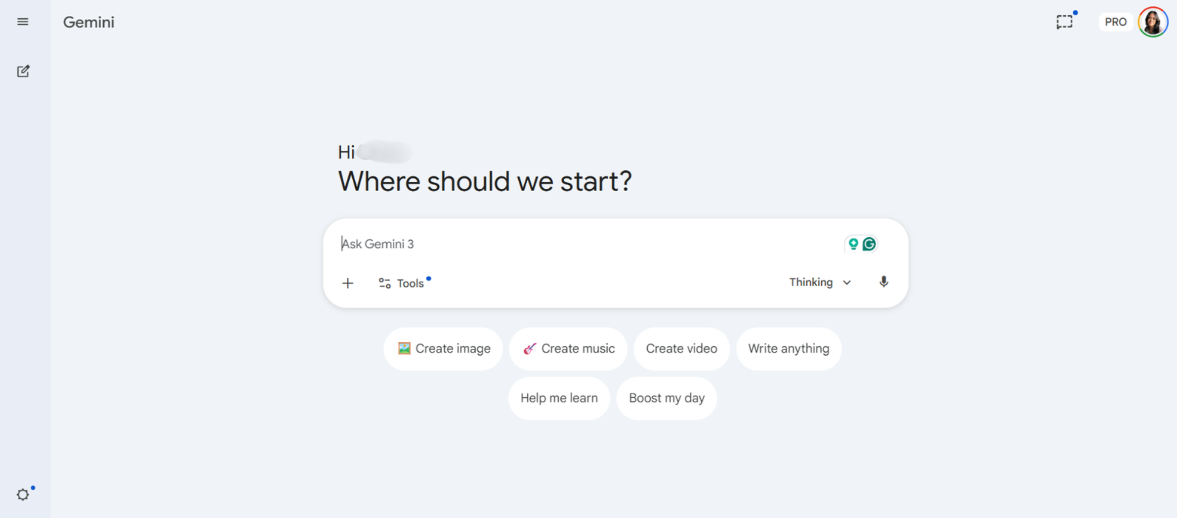
Google Gemini is the AI built into an ecosystem that billions of people already use daily. In 2026, Gemini has grown to 750 million monthly active users and is embedded across Gmail, Google Docs, Sheets, Chrome, Android, YouTube, and Google Search. For teams already working inside Google Workspace, Gemini is not simply an AI alternative but an AI layer integrated directly into the tools they use every day.
Google released Gemini 3 in January 2026 with notable improvements to agentic capabilities and reasoning. For teams that spend their working day inside Google's productivity suite, this integration delivers practical value that a standalone chatbot cannot replicate. For developers, Gemini Flash models remain among the most cost-competitive high-quality options available through any major AI provider.
Key Features
- Deep Google Workspace integration across Docs, Gmail, Sheets, and Meet
- Multimodal understanding covering text, images, code, audio, and video
- Gemini 3 Pro for complex reasoning and agentic tasks
- AI Overviews embedded directly into Google Search
- 1M+ token context window on flagship models
Pros
- Unmatched integration with Google's productivity suite
- Strong multimodal capabilities across a wide range of input types
- Free tier available through Google AI Studio
- Competitive API pricing, particularly on Gemini Flash models
Cons
- Value is heavily dependent on Google Workspace usage
- Tends to lock users further into the Google ecosystem
- Less specialized for dedicated coding workflows compared to Claude
Pricing
Google AI Pro is available at $19.99/month with the first month free. Google AI Ultra costs $124.99 for the first three months, approximately $42/month. A free tier is available through Google AI Studio.
5. Perplexity AI
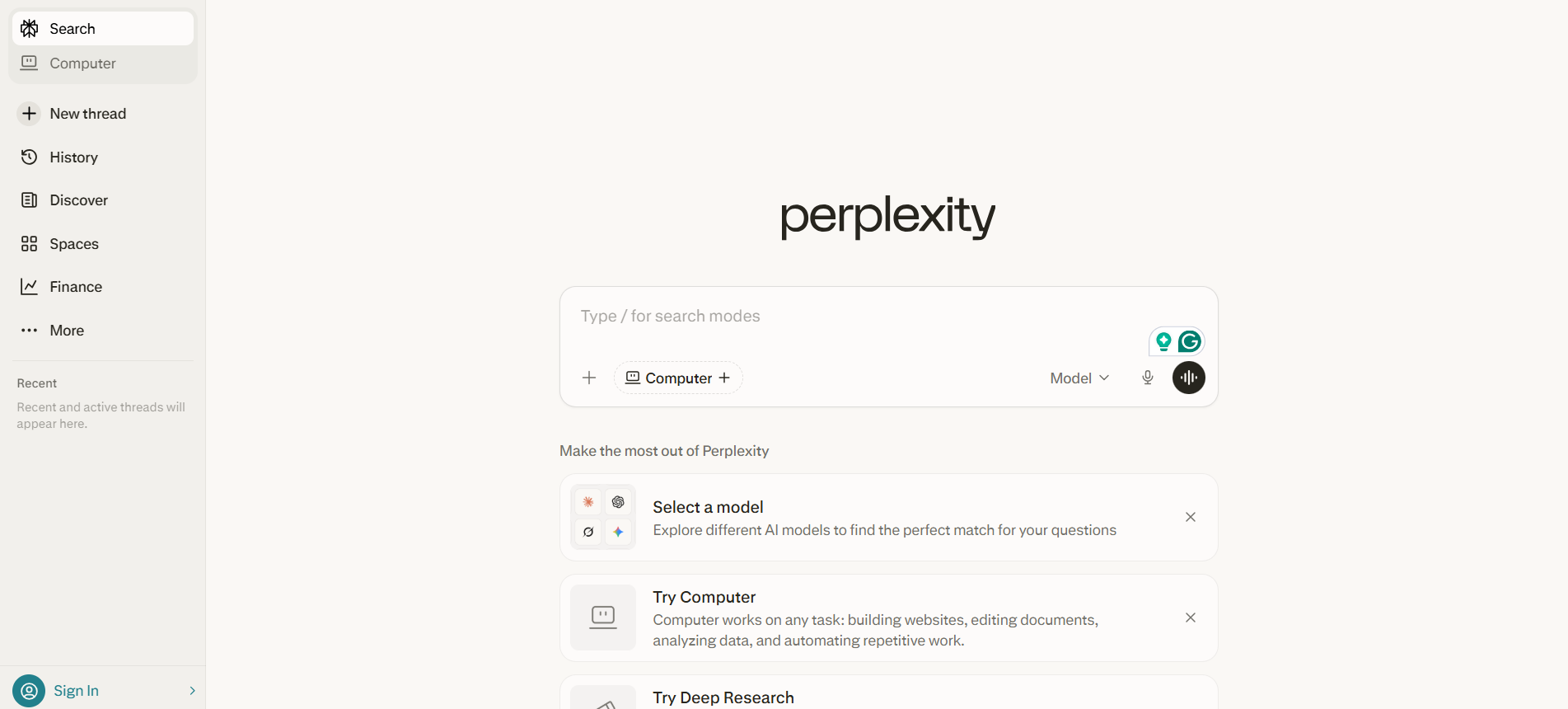
Perplexity is purpose-built for research. Rather than generating open-ended text or executing operational tasks, it answers questions with cited, sourced responses drawn from real-time web data. This makes it a fundamentally different tool from ChatGPT or DeepSeek, functioning less as a writing assistant and more as a research partner that consistently shows its sources.
At its core, Perplexity functions as a conversational search engine, combining large language models with live web search to deliver accurate, referenced answers rather than a list of links. For users whose primary need is reliable, sourced information, this approach offers something that general-purpose models like DeepSeek are not designed to provide.
Key Features
- Real-time web search with source citations on every response
- Pro Search for complex, multi-step research queries
- Access to multiple underlying models, including GPT, Claude, Gemini, and Grok
- File and document uploads are available on the Pro tier
- Image generation capabilities
- API access for developers
Pros
- Best available tool for fact-checked, sourced research
- Real-time web access is included by default on all tiers
- Access to multiple frontier models within a single subscription
- Clean, focused interface designed specifically for research queries
Cons
- No voice support and no memory between sessions
- Not well-suited for content generation, coding, or creative tasks
- Enterprise pricing becomes costly relative to other platforms
Pricing
Perplexity Pro is available at $20 per month or $200 per year. The free tier includes five Pro searches per day. Enterprise Pro is priced at $40 per seat per month, with no dedicated SMB or team tier currently available.
6. Grok AI
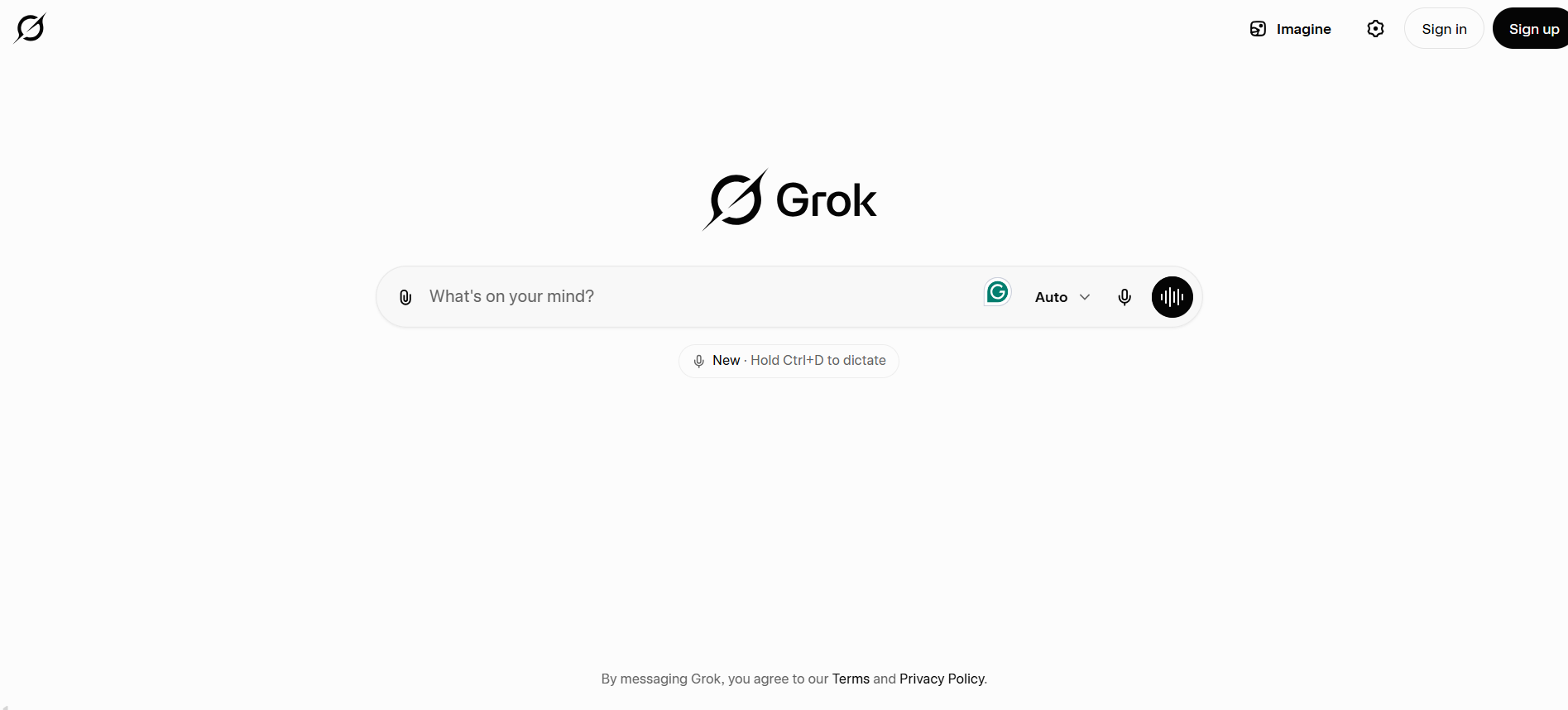
Grok is xAI's AI assistant, uniquely connected to real-time data from X (formerly Twitter). That integration gives Grok a practical advantage for users who need current information on news, trends, and social conversations that static training data cannot provide. It also carries a distinctly less formal tone compared to most AI assistants, which some users find refreshing and others may find less suitable for professional contexts.
As a DeepSeek alternative, Grok does not compete on raw reasoning benchmarks. Instead, it differentiates itself through real-time awareness. DeepSeek leads in mathematical reasoning, while Grok excels in current-events intelligence and offers one of the largest consumer-facing context windows available in 2026.
Key Features
- Real-time X (Twitter) data integration for up-to-date information
- DeepSearch for extended, multi-step research queries
- Big Brain Mode for longer and more complex reasoning chains
- Image and video generation through Grok Imagine
- 2 million token context window
- Voice mode for conversational interaction
Pros
- Strongest real-time social and news data integration of any AI platform
- Very competitive API pricing at $0.20 per million input tokens
- Accessible tone suited to conversational and informal use cases
- No longer requires an X subscription to access
Cons
- Younger platform with a smaller developer ecosystem than OpenAI
- Less refined for document analysis or long-form professional writing
- Content moderation practices have faced scrutiny
Pricing
Grok offers a free tier with limited daily usage. SuperGrok is available at $30 per month or $300 per year. SuperGrok Heavy is priced at $300 per month. Grok Business costs $30 per seat per month.
7. Writesonic
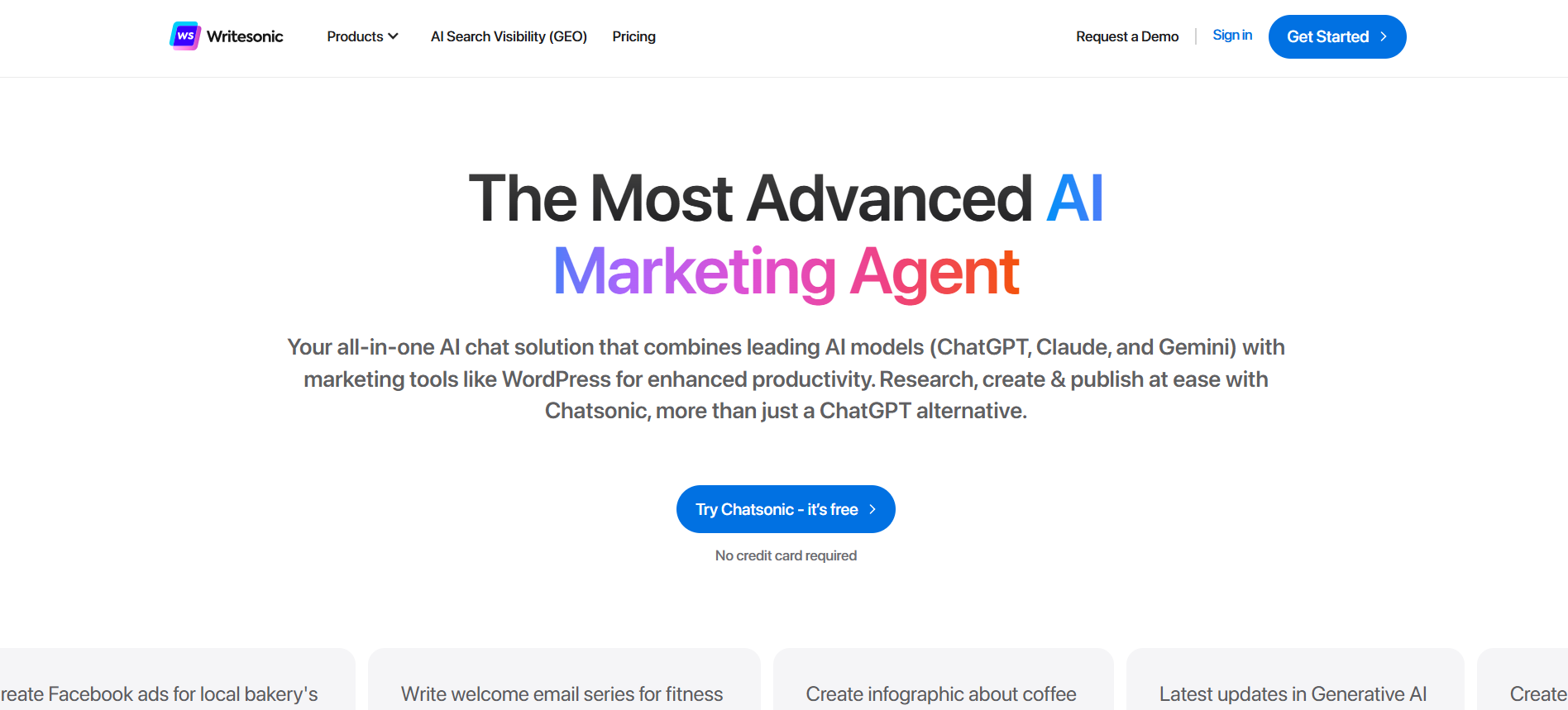
Writesonic occupies a distinct niche among alternatives to Deepseek. It is not a general-purpose AI but a content operations platform built specifically for marketers, content teams, and SEO professionals. What sets it apart is the combination of AI-powered writing with generative engine optimization (GEO) tools that track how your brand appears across AI-generated search results on platforms like ChatGPT, Claude, and Perplexity.
In 2026, Writesonic has evolved well beyond a simple AI article writer. For content teams focused on AI search visibility, it now offers daily prompt tracking across multiple platforms, prioritized recommendations based on content impact, and tools to create and refresh optimized content at scale.
Key Features
- Long-form AI article writer with built-in SEO optimization
- Chatsonic for AI chat with real-time web access
- Botsonic for building custom chatbots without coding
- GEO tracking across major AI platforms, including ChatGPT, Claude, and Perplexity
- Brand voice customization for consistent output across content types
- Integration with Google Search Console, Google Analytics, and WordPress
Pros
- Purpose-built for content production at scale
- Built-in SEO and GEO tools reduce the need for separate software
- Over 100 content templates covering a wide range of formats
- Well-suited for agencies managing content across multiple brands
Cons
- Solo writers may find comparable output from Claude or ChatGPT
- Output quality can be inconsistent and requires frequent editing
- Credit-based pricing structure can feel complex to manage
Pricing
Paid plans start at $39 per month on the Lite plan, billed annually. Standard plans begin at $79 per month, with Professional and Advanced tiers priced higher. Enterprise plans are available at custom pricing. A limited free tier is also available.
8. Poe by Quora
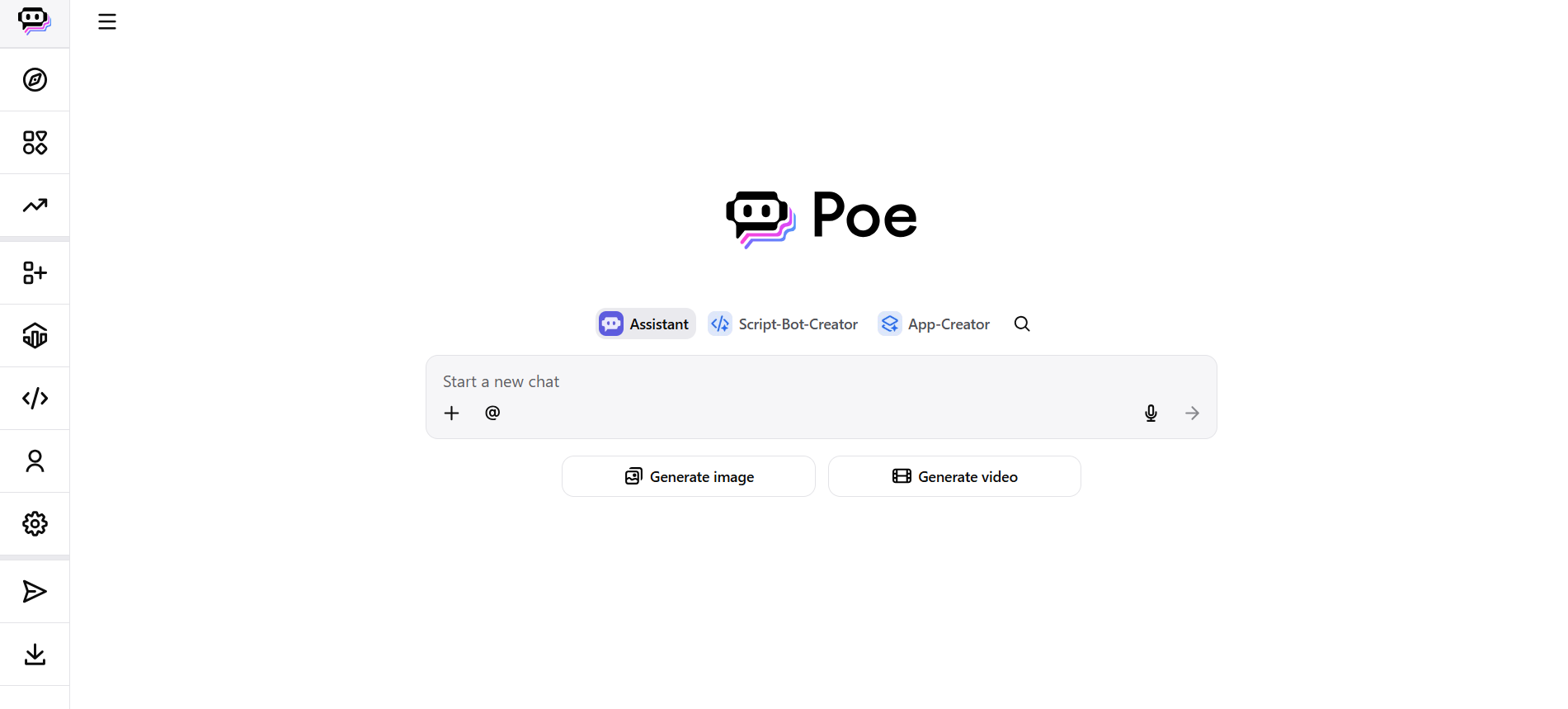
Poe, developed by Quora, takes a different approach to the AI landscape entirely. Rather than offering a single model, it functions as an aggregator that provides access to over 100 AI models from different providers within one interface, including GPT-5, Claude, Gemini, Grok, DeepSeek R1, Llama, and more. For users who do not want to commit to a single AI ecosystem, Poe offers the flexibility to select the right model for each specific task.
In 2026, Poe expanded its capabilities further with the addition of Poe Apps and multi-bot chat functionality, allowing users to query multiple models simultaneously and compare outputs side by side.
Key Features
- Access to 100+ AI models from providers including OpenAI, Anthropic, Google, and Meta
- Multi-bot conversations for simultaneous model comparison
- Custom bot creation without any coding required
- Image and video generation models included
- API access for developers
- Creator monetization program for custom bot builders
Pros
- Eliminates the need to manage multiple subscriptions
- Well-suited for experimenting with and comparing models across tasks
- Custom bot creation is accessible to non-technical users
- Competitive pricing relative to subscribing to each model individually
Cons
- Some models may underperform compared to their native versions
- Point-based pricing system can be difficult to track and manage
- Less suited to business workflows
Pricing
Poe offers a free plan with limited daily usage. The standard monthly subscription is $19.99 per month, with an annual plan available at $199.99 per year. An entry-level plan introduced in 2025 provides expanded access at $5 per month.
What Is DeepSeek and Why Are People Looking for Alternatives?
DeepSeek is a Chinese AI research lab that became one of the most significant disruptors in the AI industry. Founded in 2023 by Liang Wenfeng, the company built models that rival OpenAI and Google at a fraction of the cost. When R1 launched in January 2025, it reached the top of the Apple App Store and triggered a sharp reaction across US tech markets within days.
The value proposition was compelling, particularly for developers. DeepSeek V3 delivers GPT-5 class performance at roughly one tenth of the cost, while R1 matches OpenAI's o1 reasoning at a significantly lower price point. But as more teams evaluated it for real business use, a consistent set of concerns emerged.
DeepSeek routes all data through servers in China, where the government can legally compel data access, leading seven countries to ban or restrict it outright. Its infrastructure has faced reliability issues under high demand, and it offers no workflow automation or business integrations. Independent testing has flagged a higher tendency to present fabricated information with apparent confidence. These are the gaps that the alternatives in this guide are built to address.
How to Choose the Right Alternative to Deepseek
The right alternative to DeepSeek depends entirely on what you need from an AI platform. Teams focused on business workflow automation will find Sintra AI the most purpose-built option, including a dedicated AI social media manager for content creation and scheduling.
Those needing a reliable all-around assistant will find ChatGPT and Claude the most mature choices, with ChatGPT leading on multimodal capabilities and Claude on long-document reasoning.
Research-heavy users will get the most value from Perplexity's real-time, cited answers. Teams inside Google's productivity suite will find Gemini's Workspace integration hard to replace. Grok leads when current news and social data awareness matter, and Writesonic is the strongest fit for content teams focused on SEO and AI search visibility.
Those wanting access to multiple AI models without managing separate subscriptions will find Poe the most flexible choice. The key question is whether you need a better model or a better platform. That distinction will point you in the right direction.
How to Switch From DeepSeek to a New AI Platform
Picking an alternative is the easy part. Actually, switching is where most teams stall. Here is a practical guide to making the transition without disrupting your workflows.
Audit What You Are Currently Using DeepSeek For
Before moving anything, get clear on how your team actually uses DeepSeek day-to-day. List your top recurring tasks, whether that is coding, research, writing, or customer responses. Different use cases point to different replacement tools, so use that list as your filter rather than comparing feature pages in the abstract.
Run Both Tools in Parallel Before Fully Committing
Avoid a hard cutover. Run the new platform alongside DeepSeek for two to four weeks on real tasks, not demos or test prompts. This reveals workflow gaps and whether the new tool genuinely performs better for your specific needs. Benchmark scores show how a model performs on standardized tests. Parallel usage shows how it performs in your context.
Migrate Your Prompts and Workflows
Most teams have built up a library of prompts and processes around their current tool without fully realizing it. These need to be adapted to the new platform, not simply copied over, as different AI tools respond differently to the same prompt structure. Document existing workflows before migrating so nothing gets lost in the transition.
Onboard Your Team Properly
A new platform only delivers value if the whole team uses it consistently. Designate one person to lead the rollout, create a short internal guide with key use cases and example prompts, and set a clear adoption timeline. The biggest risk in any AI tool switch is the team reverting to old habits because the new tool feels unfamiliar.
Why Sintra AI Is a Strong DeepSeek Alternative
While most AI platforms, including DeepSeek, focus on making a single conversational AI as capable as possible, Sintra AI takes a different approach entirely.
AI Agents Instead of a Single Chatbot
AI tools, including DeepSeek, operate as single conversational assistants. Sintra distributes AI capability across multiple specialized agents, each configured for a specific function. This means teams can delegate tasks to a dedicated assistant for their domain rather than routing everything through one generic interface. Explore Sintra's full AI team and individual agents like Vizzy to see how each one works.
Built for Business Workflows
DeepSeek is optimized for AI capability benchmarks. Sintra is optimized for business task completion. The platform is built around operational workflows, including marketing content pipelines, customer communication, research synthesis, and analytics, enabling teams to build consistent, repeatable processes rather than relying on one-off prompts.
Multiple Specialized AI Agents
Sintra includes agents that cover the core functions a typical small team needs: social media content (Soshie), research and recruitment (Scouty), customer support (Cassie), analytics (Vizzy), and ecommerce and community engagement through Commet. Each agent brings domain-specific context to its tasks, functioning like a small digital team rather than a single all-purpose tool.
Centralized AI Workspace
Rather than managing separate subscriptions and interfaces for different AI tasks, Sintra consolidates those workflows into one platform. Teams manage their AI-powered operations from a single environment, reducing context-switching and maintaining consistency across all outputs.
A Scalable Solution for Growing Teams
Sintra is designed to grow with your business. Startups and small teams can get meaningful value without significant setup overhead, and as operations expand, the agent structure scales accordingly. Teams add agents and workflows as needed rather than rebuilding their AI stack from scratch.
Ready to Get Started with a DeepSeek Alternative?
The AI tools available in 2026 go well beyond what any single chatbot can offer. If your team is spending time manually executing tasks that an AI agent could handle, or if you're switching between multiple tools to cover different functions, there's a more efficient approach.
Sintra AI is built for teams that want AI working across their operations, not just answering prompts on demand. Get started with Sintra and explore how its agent-based model can replace manual workflows across marketing, support, research, and more.
DeepSeek Alternatives FAQs
What is the best DeepSeek alternative in 2026?
Finding an AI like Deepseek depends on your use case. Sintra AI is best for workflow automation and business tasks. ChatGPT and Claude are the most polished for general productivity. Perplexity is strong for research with sources, while Poe is useful for accessing multiple AI models in one place.
Why do teams need DeepSeek alternatives?
Teams often look for Deepseek competitors or alternatives due to data privacy concerns, limited integrations, and reliability issues. DeepSeek also lacks business-ready workflows and has shown inconsistencies in accuracy, which can be a risk for professional use.
Is DeepSeek better than ChatGPT or Claude?
DeepSeek performs well in technical benchmarks and is more cost-efficient. However, tools similar to DeepSeek, like ChatGPT and Claude, are better suited for real-world use, offering stronger creativity, integrations, and overall reliability.
What is the difference between DeepSeek and other AI platforms?
DeepSeek focuses on high-performance reasoning at a lower cost, often through open-source models. In contrast, Deepseek alternatives like ChatGPT, Claude, and Gemini offer complete ecosystems with apps, integrations, and user-friendly features.
Are there free alternatives to DeepSeek AI?
Yes, most major platforms offer free tiers, including ChatGPT, Claude, Gemini, Perplexity, Grok, Poe, and Sintra AI. These options provide solid functionality for everyday use without requiring a subscription.
Related articles







Copyright © 2026 PlayOS, Inc. All rights reserved