A Complete Guide to Multi-Agent AI Frameworks

Table of Contents
Quick Answer: What Is a Multi-Agent AI Framework?
A multi-agent AI framework is a setup where multiple AI agents work together to handle tasks that are too complex for one agent alone. Each agent has a specific role, uses the right tools, and shares results with others.
The main difference from a single-agent system is simple: one agent does everything on its own, which works for basic tasks. A multi-agent system splits the task into smaller parts, assigns them to different agents, and combines the results. For example, one agent collects data, another analyzes it, and a third writes the final output.
This approach makes things faster, reduces errors, and produces more complete results.
By 2026, about 40% of enterprise applications will be embedding AI agents, up from less than 5% just a year ago. That kind of growth does not happen unless something is genuinely working - and the academic community is keeping pace, with a 2025 review cataloguing roughly 60 benchmarks for evaluating LLM-based AI agents alongside frameworks that pair LLMs with modular toolkits for multi-step autonomous reasoning.
Most teams today are running single AI tools that handle one task at a time. They generate a response, and the workflow stops there. Someone still needs to take that output, move it to the next step, and manage everything in between.
Multi-agent AI frameworks change how that works. Multiple specialized agents run inside the same system, each one focused on a specific job, sharing context with each other, and passing work forward automatically. One agent pulls data, another analyzes it, and a third writes the report. The whole sequence runs without a human bridging every step.
The result is not just faster output. It is a fundamentally different level of reliability, consistency, and scale than any single AI tool can deliver on its own.
Platforms like Sintra AI are already making this accessible to business teams focused on building multi-agent systems without starting from scratch.
In this guide, we cover how multi-agent AI frameworks are built, what makes them work, the business benefits teams are seeing right now, and where the technology is heading next.
What Is an Agentic Framework?
“Agentic” AI refers to systems that can take actions to achieve a goal. An agentic framework provides four core capabilities: autonomy, memory, access to tools, and multi-step decision-making.
In a standard AI setup, the system responds to a prompt and stops there. In an agentic system, you define a goal. The system plans the steps, uses tools such as web search or internal platforms, stores relevant information, and updates its approach based on new inputs.
AI agents are software systems that can interpret data, make decisions, and execute actions with minimal human input. They combine reasoning, memory, and planning to complete tasks across multiple steps.
This is why agentic systems are being adopted as operational infrastructure in businesses. They run in the background, manage workflows, update records, and move tasks forward, allowing teams to focus on higher-level decisions.
They also address a common gap where companies use AI but see limited business impact. Agentic frameworks shift AI from one-step responses to systems that deliver measurable outcomes.
Core Components of a Multi-Agent AI Framework
Every multi-agent AI system runs on a defined structure. The agents operate within a shared architecture that controls how they communicate, what they store, and how they decide the next step.
Understanding these components helps teams move beyond basic experimentation and build systems that run reliably in real workflows.
Autonomous Agents
Agents are the individual units in the system. Each agent has a specific goal, a defined set of tools, and a memory of past actions. In multi-agent systems, agents are usually specialized, meaning each one handles a focused task instead of trying to manage everything.
In a marketing workflow, one agent might track campaign performance, another generates copy variations, and a third adjusts budget allocation across channels. Each agent is responsible for a clear outcome, which helps avoid overlap, conflicts, and incomplete results.
Shared Environment and Data Access
All agents in a multi-agent AI system operate within a shared environment. This can include a CRM, analytics tools, internal documents, product databases, or external APIs. The environment provides the context agents need to act accurately. Without it, decisions are based on incomplete information.
A well-designed system breaks high-level goals into smaller tasks and assigns them to specialized agents such as retrievers, planners, executors, or evaluators. This keeps each agent focused and prevents overload.
For a SaaS team, this could mean agents reading support tickets, checking subscription data, and accessing documentation from the same environment, so every action reflects the current state of a customer’s account.
Communication and Interaction Protocols
Agents in a multi-agent system share results, pass tasks, and exchange context through structured communication. This makes the system collaborative instead of just running tasks in parallel.
AI orchestration refers to coordinating agents, tools, and models so they work together as one system. It manages workflows, aligns decisions, and ensures smooth handoffs between steps.
In practice, one agent might complete research and pass structured data to a writing agent, which then prepares the output and sends it to a publishing agent. The system handles these handoffs automatically without manual input.
Coordination and Planning Mechanisms
Multi-agent system planning defines the order of tasks. The system understands dependencies, such as requiring analysis to be completed before reporting begins.
The orchestration layer manages task dependencies, communication, shared memory, task routing, and system reliability through retries or escalation when needed.
For a product launch, this means the brief is created first, assets are produced next, approvals follow in sequence, and publication happens only after everything is verified. The system handles this flow without manual coordination.
Memory, Feedback, and Adaptation
Memory allows agents to use past actions instead of starting from zero each time. This helps the system improve performance over time.
Optimization involves continuous learning, iteration, audit trails, and system monitoring. These elements help track results and refine how agents operate.
In an SEO workflow, an agent can remember which keyword clusters performed well and use that information to guide future priorities. Feedback loops connect results to decisions, allowing the system to improve with each cycle.
Key Benefits of Multi-Agent AI Frameworks for Enterprises
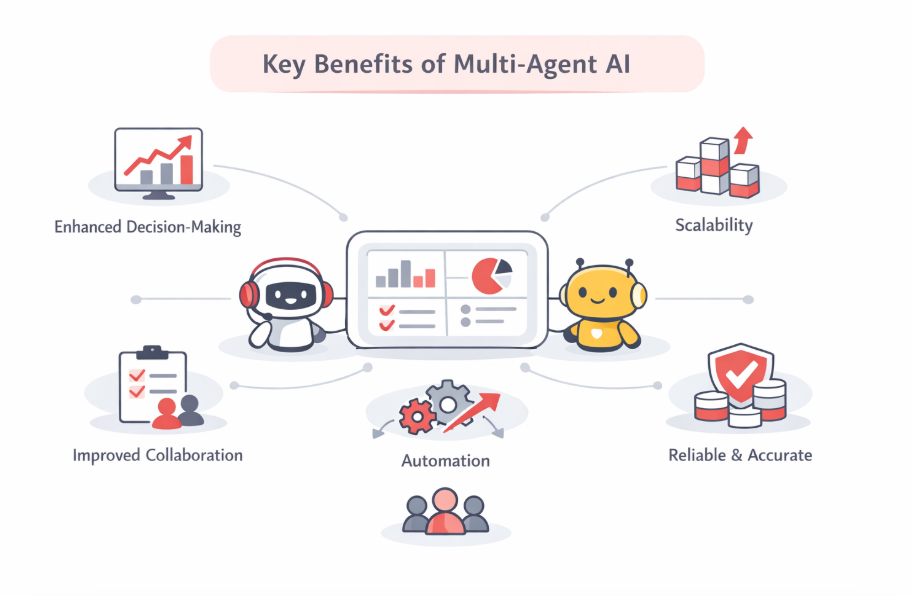
Many companies using a multi-AI agent framework report measurable gains in productivity. The value comes from how these systems execute and manage work in practice.
Enhanced Real-Time Decision-Making
A single agent works on one data stream at a time. A multi-agent system runs several agents across different signals, which leads to decisions based on a broader and more complete view.
For the 52% of executives who report their organizations are deploying AI agents in production, this shift is already visible. Around 74% report ROI within the first year, and 39% say productivity has at least doubled.
In a campaign optimization setup, one agent tracks click-through rates, another monitors cost per acquisition, and a third analyzes competitor activity. When any metric moves outside its expected range, the system can adjust bids, update creative, or flag the issue without waiting for manual review.
Improved Collaboration and Specialized Expertise
Multi-agent systems follow the same structure as effective teams, with specialists handling specific tasks and passing work between them. This leads to consistent output and faster execution.
In one insurance example, a system uses seven specialized agents to process a single claim, including roles like planning, coverage validation, fraud detection, payout, and auditing. Each agent contributes to a complete result.
The same approach works in customer support. One agent categorizes tickets, another drafts responses using context, and a third escalates complex cases. This reduces delays and lowers the risk of missed or incomplete handling.
Scalability and Adaptability
One of the key advantages of a multi-agent AI system is scalability. Instead of rebuilding systems as demand grows, you can add more agents that work within the same coordination layer.
Adoption continues to increase as organizations report higher productivity, improved workflow efficiency, and cost savings across areas like customer service, finance, and retail.
For an e-commerce business facing seasonal spikes, this means adding agents to handle order validation, inventory updates, and customer notifications without changing the core system. The system adjusts to demand instead of slowing down.
Automation of Routine Work
The clearest ROI from a multi-agent system often comes from routine tasks such as data entry, list segmentation, follow-ups, and report generation. McKinsey reports that companies using agentic AI report up to a 30% reduction in operational costs and up to 50% faster processing in enterprise workflows.
In an email marketing setup, one agent segments contacts based on behavior, another drafts personalized messages for each group, and a third schedules delivery based on past engagement. Tasks that previously took hours can be completed in minutes, with accurate coordination across each step.
Reliable Task Delegation and Error Handling
Distributed intelligence reduces single points of failure. In a multi-agent system, if one step produces an incorrect result, it can be detected, flagged, and either retried or escalated instead of passing forward unnoticed.
In internal evaluations, a multi-agent setup outperformed single-agent benchmarks by 90.2% using parallel agents coordinated by a central planner. This aligns with broader multi-agent systems research, which consistently shows that distributed agents improve performance, reliability, and task completion accuracy.
In practice, a QA agent can review outputs before they are published, and an escalation agent can involve a human only when certain thresholds are met. This allows teams to maintain oversight while still benefiting from automation.
Real-World Applications of Multi-Agent Systems
Understanding the architecture and benefits of multi-agent AI is useful. Seeing where it is already producing results makes the decision to adopt much easier.
Supply Chain and Logistics
Supply chains involve too many moving parts for any single system to manage well. Multi-agent systems break the problem down by assigning specialized agents to demand forecasting, inventory tracking, supplier coordination, and delivery routing. Each agent handles its slice of the operation, and the system coordinates the outputs into decisions that reflect the full picture.
Healthcare
In healthcare, multi-agent systems are being used for disease prediction, genetic analysis, and patient data coordination across departments. One agent might analyze lab results, while another cross-references patient history, and a third checks for drug interactions. Tasks that would otherwise require multiple specialists reviewing separate systems can be completed in a fraction of the time, with fewer gaps in the information being used to make decisions.
Cybersecurity
Security teams are using multi-agent systems to monitor networks around the clock. Specialized agents simulate potential attacks, detect anomalies, and flag threats like DDoS flooding in real time. Because different agents cover different areas of the network simultaneously, the system catches issues that a single monitoring tool scanning sequentially would miss.
Financial Services
In finance, multi-agent systems handle invoice matching, transaction analysis, fraud detection, and forecasting across large data sets. Agents working in parallel can process and cross-reference financial data far faster than any manual or single-model approach, reducing both processing time and error rates.
Transportation
Multi-agent systems are being applied to traffic management and transportation coordination, where agents communicate in real time to route vehicles, adjust signals, and respond to disruptions. The coordination layer allows complex decisions to be made continuously without centralized bottlenecks slowing the system down.
Sintra AI as a Business-Ready Multi-Agent System
Most multi-agent frameworks require development work. Teams need to configure agents, define tools, set up coordination logic, and maintain the system over time. Sintra AI takes a different approach. It is a production-ready multi-agent environment built for business teams, not just engineers.
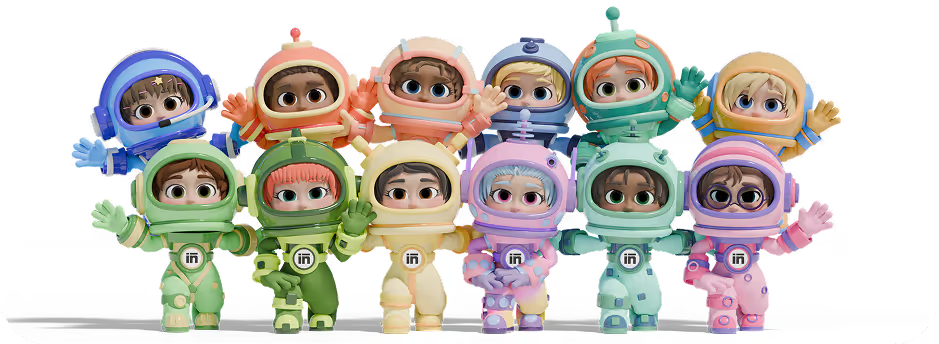
Instead of building from scratch, you can deploy a set of specialized agents designed to work together across marketing, support, SEO, sales, and operations workflows.
Role-Based AI Agents That Collaborate Across Workflows
Sintra’s agents are designed for specific functions. Each agent has the tools, knowledge, and context needed for its role. They share information and pass work between each other, so workflows stay connected without gaps.
For example, a marketing agent can pass research to a content agent, which then sends a finished draft to the publishing workflow. This happens without manual coordination. You can explore the full range of AI helpers for teams to understand how each role fits into your workflow.
Shared Memory and Context (Brain AI)
One of the common issues in multi-agent systems is a lack of shared context. When agents do not know what others have done, workflows become inconsistent. Sintra addresses this with a centralized memory layer called Brain AI, which gives all agents access to the same knowledge base.
This allows information to flow across roles. When a support agent resolves a recurring issue, a product agent can use that insight. When an SEO agent identifies a keyword opportunity, a content agent can act on it. Shared memory reduces silos and improves system reliability at scale.
Real Integrations and Execution Across Tools
A conversation-based AI system produces outputs. A multi-agent system built for execution takes action. Sintra connects with the tools your team already uses, including CRMs, analytics platforms, marketing tools, and communication channels, through AI integrations across platforms. This allows agents to operate directly where work happens.
This is the difference between guidance and execution. Instead of suggesting actions, agents can update contact records, schedule posts, and generate reports inside your existing systems, without requiring manual follow-up.
Specialized AI Employees by Function
Sintra’s agents are structured to match how business teams operate. In a multi-agent environment, each agent has a specific function and a clear responsibility. This structure reflects how work is handled across key roles in growing businesses.
AI Sales Manager (Milli)
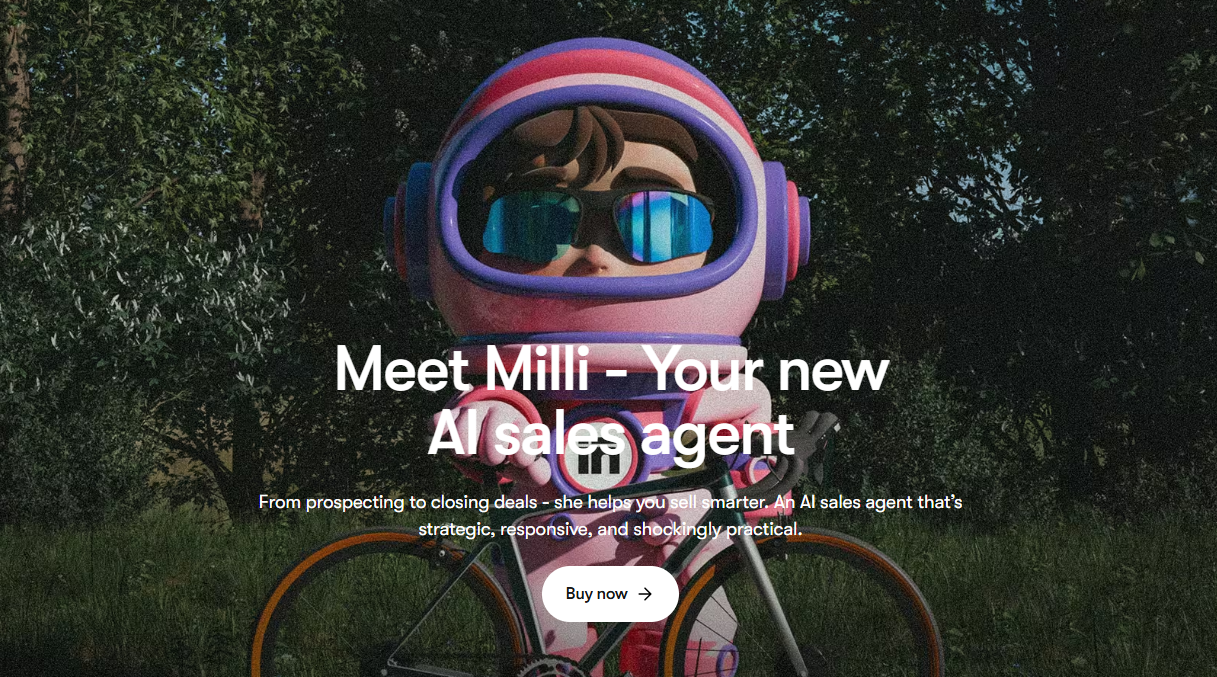
Milli handles sales pipeline automation, follow-up sequencing, and lead prioritization. She tracks prospect behavior, surfaces high-intent leads, and ensures no opportunity goes quiet just because a human forgot to follow up.
AI Copywriter (Penn)

Penn drafts campaign copy, product descriptions, ad creative, and long-form content. He works from your brand voice, adapts to different formats, and produces first drafts fast enough to keep content calendars moving without bottlenecks.
AI SEO Agent (Seomi)
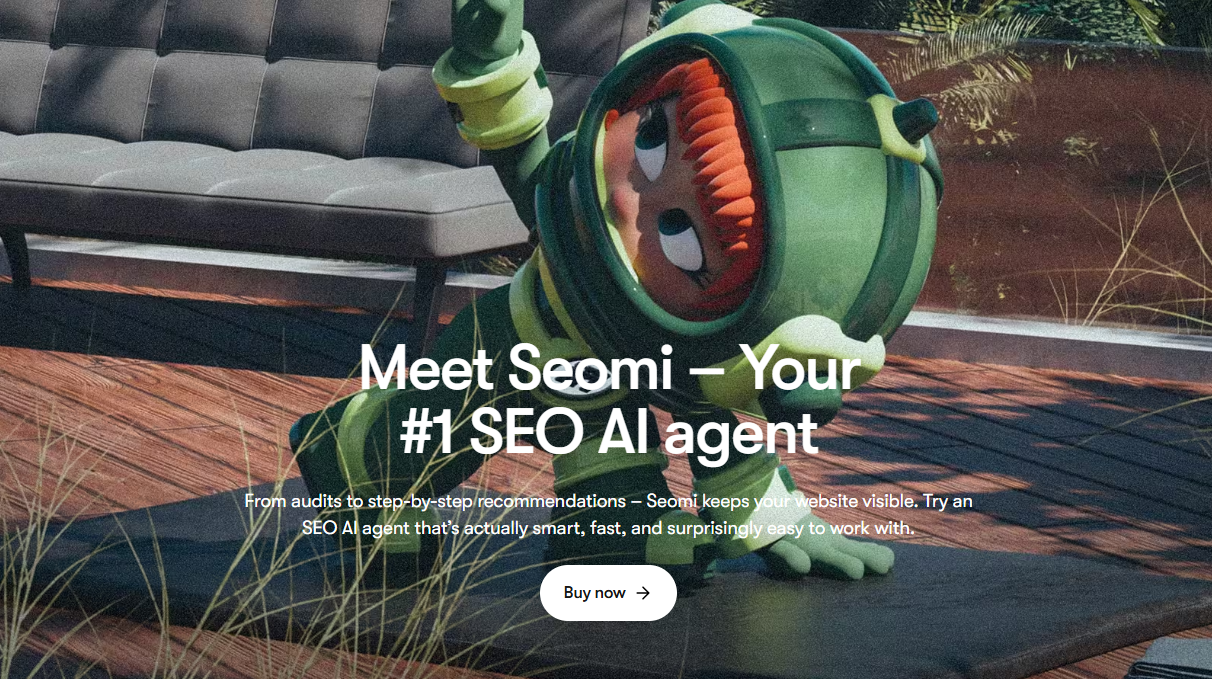
Seomi researches keywords, audits existing content, identifies gap opportunities, and recommends optimizations grounded in what is actually ranking. She connects research directly to action rather than generating reports no one implements.
AI Social Media Manager (Soshie)

Soshie manages scheduling, monitors engagement, identifies what content is resonating, and adjusts posting patterns based on performance data. She keeps channels active and consistent without requiring daily manual input.
AI Business Strategist (Buddy)
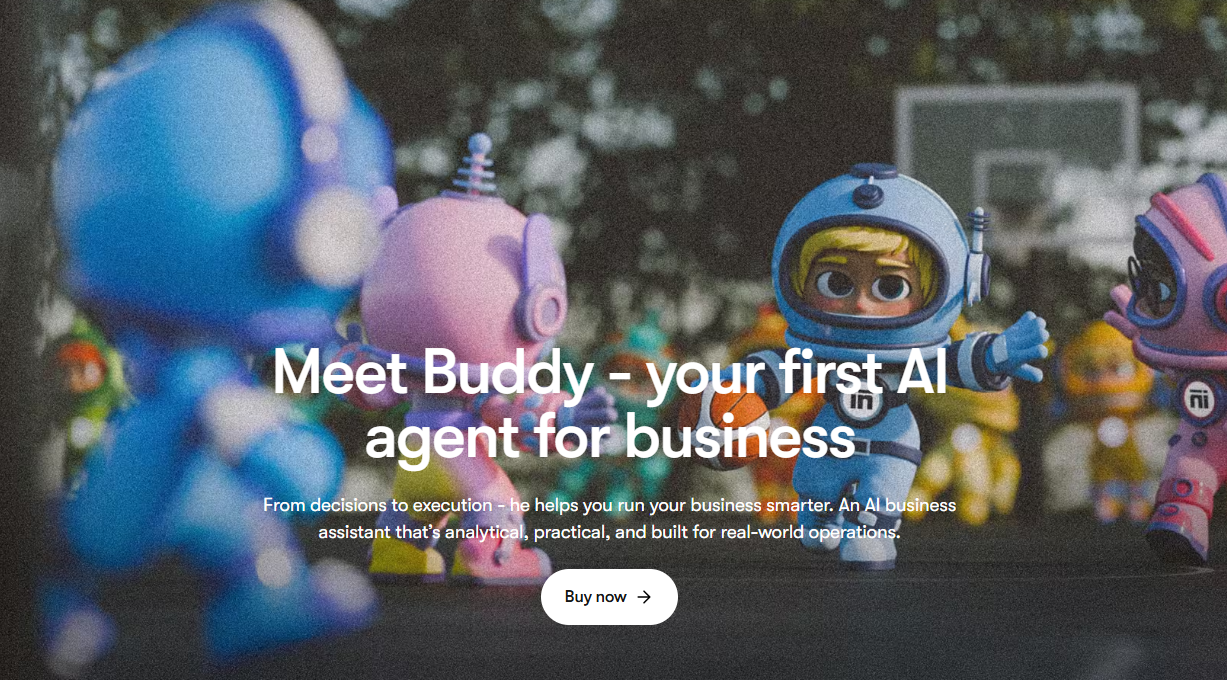
Buddy supports planning decisions with structured analysis, scenario modeling, and competitive context. He is useful when teams need to think through a decision more rigorously than a quick search allows.
AI for Customer Service (Cassie)
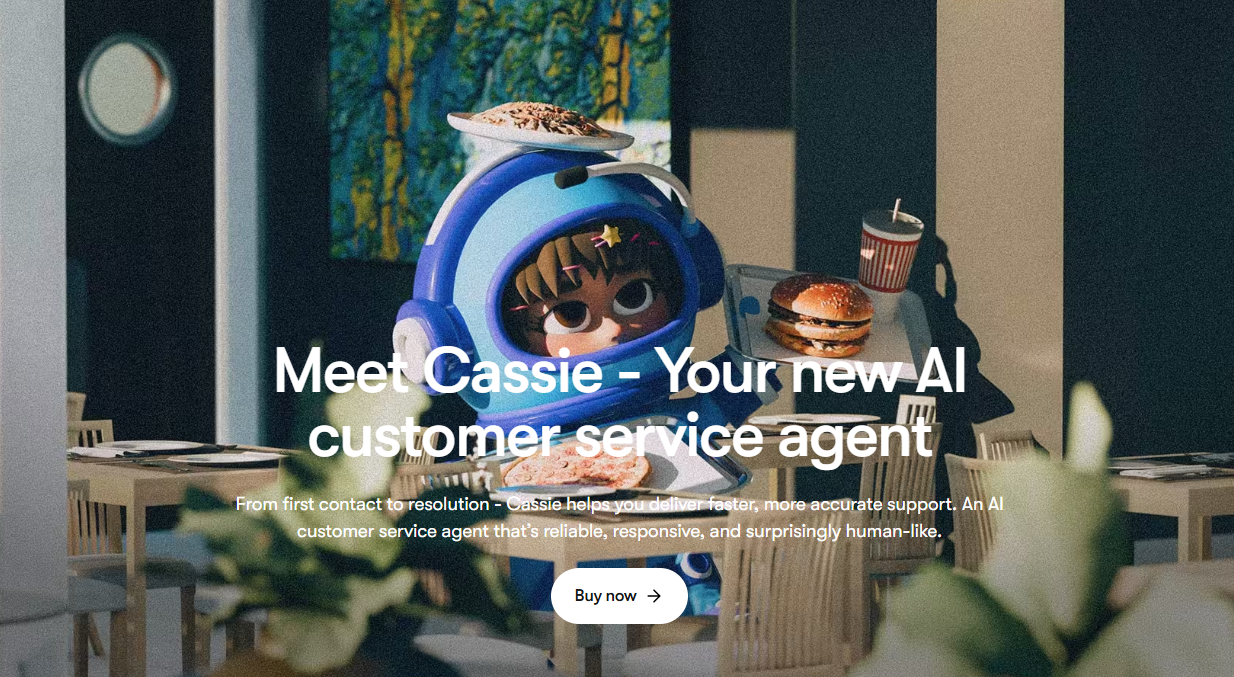
Cassie handles ticket triage, resolution drafting, and escalation routing. She keeps response times fast and consistent, and flags issues that need human judgment rather than trying to automate everything regardless of complexity.
Ecommerce AI Agent (Commet)
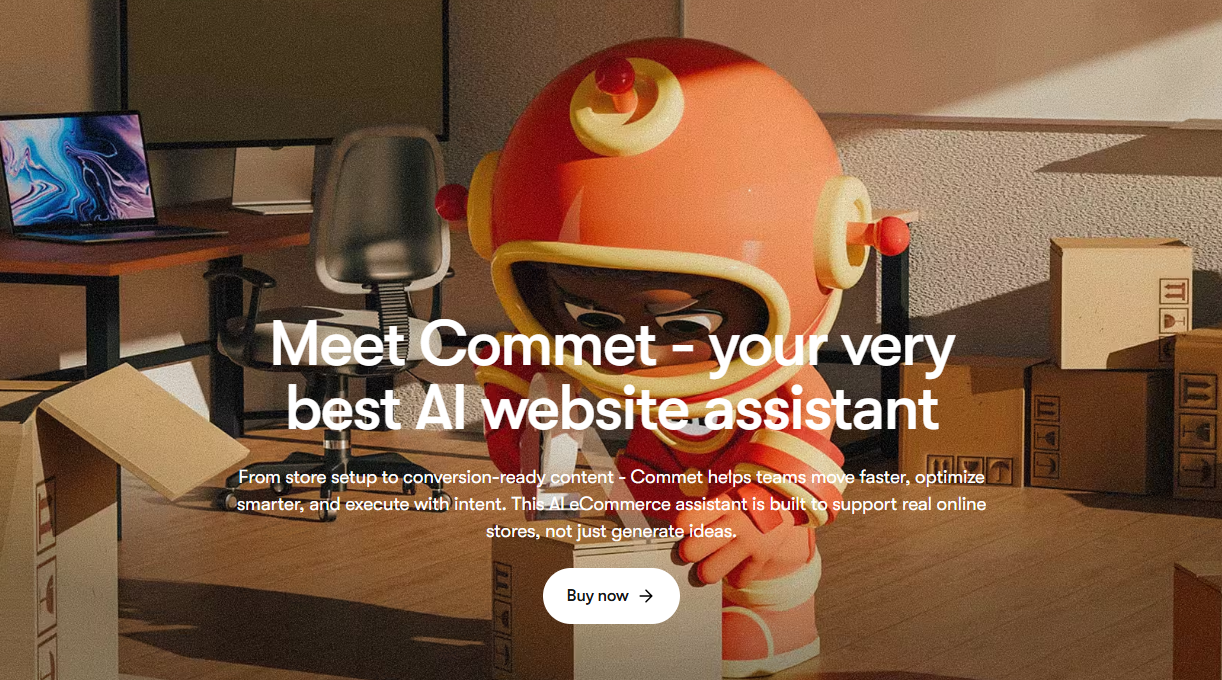
Commet manages product listing optimization, inventory-driven content updates, and promotional workflow automation for e-commerce operations. He keeps your store performing without requiring constant manual intervention.
AI Data Analyst (Dexter)
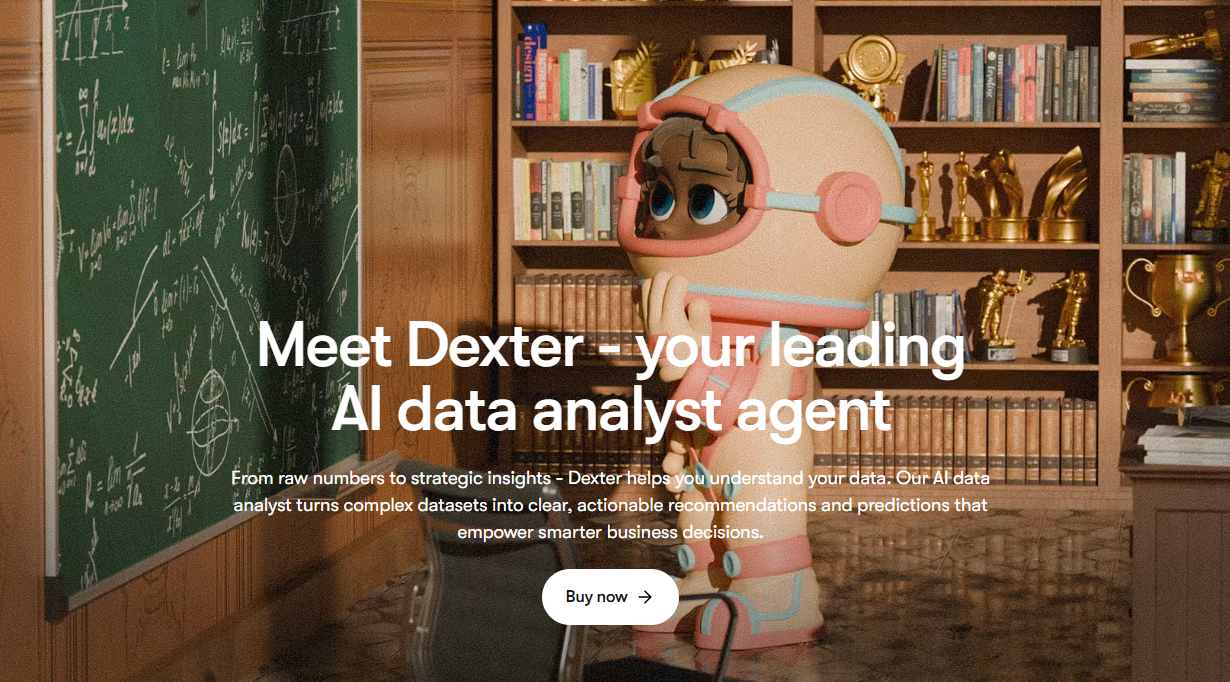
Dexter pulls reports, identifies trends, and surfaces insights across business functions. He translates raw data into clear summaries your team can act on, without waiting for an analyst to have bandwidth.
AI Email Assistant (Emmie)
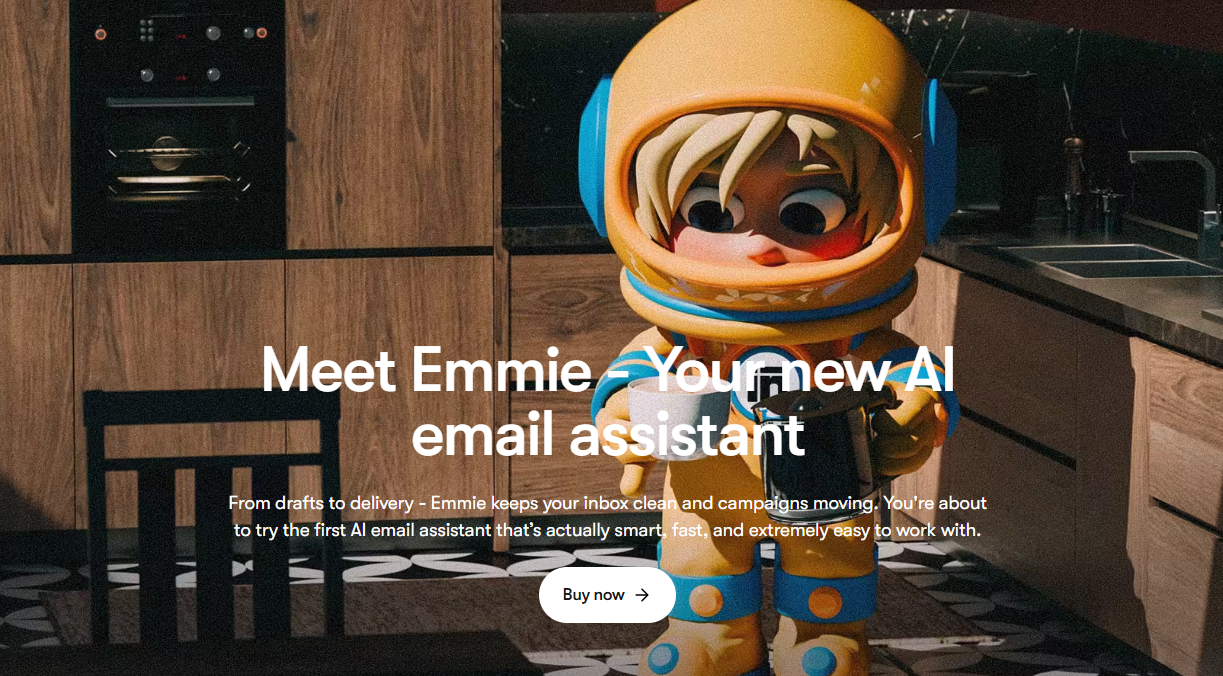
Emmie drafts email campaigns, manages follow-up sequences, and personalizes outreach based on contact behavior. She handles the execution layer of email so your team can focus on strategy and offers rather than copy and scheduling.
The Future of Multi-Agent Systems
Multiple agent systems are already in production across major industries. Adoption is increasing as organizations move from experimentation to real-world use.
Market projections estimate growth from $7.8 billion today to over $52 billion by 2030, reflecting strong demand for systems that can manage complex workflows.
For most business leaders, the focus has shifted from whether multi-agent AI is relevant to how to build systems that align with its direction.
Increasing Specialization of AI Agents
General-purpose agents are being replaced by specialized agents because they deliver more accurate and accountable results. One agent can qualify leads, another handles personalized outreach, and a third checks compliance, all while sharing context and passing work between steps.
This shift means future systems will function more like structured teams of domain-specific agents, each focused on a defined role with relevant knowledge and tools.
Greater Autonomy with Structured Oversight
Agents are handling longer task sequences without requiring input at every step. The most effective systems combine this autonomy with structured oversight instead of removing humans entirely.
Organizations are building agentic workflows that balance automated execution with clear guardrails and human input at key decision points. Full automation is not always the goal.
This approach allows companies to apply autonomous systems to higher-stakes workflows such as compliance checks, financial approvals, and customer communications while maintaining accountability.
Cross-Platform Orchestration Across Tools
The next shift in multi-agent systems is not stronger individual agents but better coordination across existing business platforms. Deeper integrations allow agents to manage workflows across sales, support, supply chain, and finance within the same system.
For example, an action in a CRM can trigger updates in an analytics platform, adjust a campaign in an email tool, and record the outcome back in the CRM. These steps are connected and executed without manual setup between each stage.
Real-Time Learning and Continuous Optimization
Multi-agent orchestration is becoming the standard, replacing single-agent models. Continuous learning is also becoming a baseline capability rather than an advanced feature.
For SEO and performance marketing teams, this means systems that update strategies based on ongoing results. Instead of following a fixed playbook, they adjust week by week using new data, without waiting for manual reviews.
Ready to Deploy Multi-Agent AI in Your Business?
Multi-agent AI is already moving into mainstream use. 75% of executives agree or strongly agree that AI agents will reshape the workplace more than the internet did. The leading companies have moved from evaluating the technology to scaling it.
The key decision is whether to build or deploy. Frameworks like LangGraph, CrewAI, and AutoGen provide full control but require engineering effort and ongoing maintenance. For teams focused on execution, Sintra AI offers a ready-to-use multi-agent environment where agents can be deployed across marketing, sales, support, SEO, and operations without coding.
Coordination, memory, integrations, and role structure are built in. You can get started with Sintra by applying it directly to your workflows.
Multi-Agent AI Frameworks FAQs
What is the difference between a single agent vs. multi-agent system?
A single agent handles a task from start to finish, which works well for simple and contained use cases. A multi-agent system distributes work across specialized agents that coordinate with each other. For tasks that involve multiple steps, different types of expertise, or parallel execution, multi-agent systems deliver better speed and higher accuracy than single-agent setups.
How do multi-agent systems coordinate tasks between AI agents?
Coordination is managed through an orchestration layer that handles task dependencies, communication between agents, shared memory, and error handling. When one agent completes its task, the system routes the output to the next step in the workflow. More advanced setups include planning agents that define the full sequence of tasks before execution begins.
Are multi-agent frameworks only for developers?
Historically, yes. Most frameworks before required coding to set up and maintain. That is changing. Platforms like Sintra AI offer pre-built, role-specific agents that teams can deploy directly into their workflows without engineering support.
What industries benefit most from multi-agent systems in artificial intelligence?
Customer service, financial services, marketing, healthcare, and e-commerce are seeing the strongest early returns. In 2026, common use cases include autonomous ticket resolution in customer support, invoice matching and forecasting in finance, lead generation and pipeline management in sales and marketing, and inventory optimization with demand forecasting in supply chain operations.
How does multi-agent planning in AI work in real business workflows?
Planning in a multi-agent system involves breaking a high-level objective into smaller tasks, assigning each to the right agent, and sequencing them so that dependent steps run in the correct order. The planning layer also manages contingencies. If an output is delayed or flagged, the system adjusts the workflow instead of failing.
Related articles