


AI Visibility SEO Strategies for 2026

Table of Contents

AI search may not have replaced the traditional SEO engines, but it’s certainly here to carve out its own space.
With growing user interest in ChatGPT, Perplexity, and other AI products for search visibility, businesses are increasingly turning to AI optimization. They want to be seen on AI engines and build on the brand's reputation. The stakes are real - being cited in an AI Overview earns a website 35% more organic clicks than not being cited, 76.1% of AI Overview citations also rank in Google's top 10, and AI Overviews now appear on 30% of U.S. desktop keywords, a new high as of September 2025.
However, the issue is that most marketing teams don’t yet have the incentives to invest heavily in Generative Engine Optimization (GEO). But worry not.
Here are some proven AI visibility SEO strategies to optimize your content for smart search. It can help you create content that is both digestible and valuable to your customers. So, let’s dive right in.
Quick Answer: Best AI Visibility SEO Strategies
To win in the age of AI search, you need to optimize for "information synthesis" rather than just keywords. Start by targeting long-tail, conversational queries that match how people actually talk to tools like ChatGPT. Structuring your content with skimmable summaries, H2/H3 headers, and bullet points is essential, as it helps AI models easily extract and cite your data.
Other high-impact strategies include leveraging Schema markup to help bots interpret your site’s meaning and focusing on E-E-A-T (Experience, Expertise, Authoritativeness, and Trustworthiness) to build credibility. By participating in community discussions on platforms like Reddit and Quora—where AI often sources information—and using tools like Sintra’s Seomi to monitor your citations, you can ensure your brand stays visible and trusted in AI-generated answers.
How AI Overviews are Redefining Search Visibility?
Before planning a strategy to stand out in AI search engines, you must know how these models operate. For starters, they are nothing like traditional SEO engines that used to have special crawlers to track your website.
So, traditional search engines like Google mostly rank content based on keywords, meta information, and backlinking. It wouldn’t be wrong to say that such engines worked purely on the relevancy principle and matched content to find similar content.
However, AI search engine result pages are different.
Today, ChatGPT, Copilot, or Perplexity are not just finding content but synthesizing it to the user's needs. With such engines, you will receive specific, to-the-point AI responses, extracted from a combination of web pages, FAQs, community posts, and more.
Simply put, AI platforms are not ranking web pages but rather information. And, if your content is flat, written incoherently without any structure or clarity, it’s most unlikely to be picked up in an AI response.
OpenAI reports that people interact differently with AI search than they do with traditional SEO. They are seeking direct answers that are clear, concise, and accurate.
So, it’s an opportunity for you to be visible in these AI-generated responses. While you venture into it, here are some things to consider,
- Always remember that you are writing for machines that understand human language.
- You need to show your expertise, authority, and experience in the content so that the AI can build enough trust to repeat it in its answers.
- The style, structure, and clarity matter twice as much as they would in traditional SEO.
12 Proven AI Visibility SEO Strategies to Use in 2026
Now that you know how AI visibility SEO strategies work, it's time to think about your strategy - what you can do about it. Here are twelve proven, actionable AI-focused strategies that can help you improve AI visibility and performance.
1. Prioritize Long Tail Keywords to Optimize for Conversational Queries
While SEO fundamentals are significant, you must evolve from traditional practices. For instance, companies today focus on long-tail keywords for conversational algorithms rather than typical high-volume, high-competition phrases.
Such specific and intent-driven keywords work best with the AI search models. Moreover, as users are now searching for complex phrases and lengthy questions, incorporating these phrases into your content can definitely deliver.
And, they are less competitive.
Best Practices
Google reports that 15% of the searches people make on the platform are new. This indicates the need for fresh and growing search trends.
- Keeping this in mind, you must refrain from filtering out keywords with low search volumes. Instead of removing keywords because they don’t meet your algorithm, it’s best to map out new long tail keywords for better visibility on AI engines.
- You must join the top discussions in your niche on the internet. Spend time on Qoura, Reddit, People Also Ask, and AnswerThePublic to get most of the conversational queries. Identify the long tail questions and use them to optimize your results for AI.
- Add variety in your writing and optimize it for semantic analysis. You can do this by including related phrases and synonyms in your content, but avoid keyword stuffing.
- Create FAQs for actual customers' queries to capture long-tail, low-volume keywords. As AI-driven engines possess conversational capabilities, phrases starting from “how, what, when, etc.” would stand out.
2. Structure Content for AI Comprehension and Generative Engine Optimization
Let’s be realistic!
In today’s world, where information is at your fingertips, no one has the time to read through extensive paragraphs. Plus, AI's natural language extracts data from structured, clean, scannable, and organized content.
The takeaway is to improve the structure of your content. Break your writing into digestible chunks using separators like headings, bullets, and Q&As.
Remember! You want to make it easier for AI platforms to extract key points and improve the user experience.
Best Practices
Little tweaks to your content optimization process can go a long way in getting high visibility on AI's natural language engines.
- Start with skimmable summaries or clearly stated key takeaways.
- Use different headers (H2, H3, title tags, and so on) to break your content into various sections.
- Break longer paragraphs. Limit them to 2-3 sentences maximum. Bold key phrases and sentences to help the AI models and users spot your main points.
- Include number lists and bullet points to highlight steps, key points, and takeaways in your content.
- Add a table of contents for extensive content. Use jump links to enhance the user experience further.
- If you already have existing content, refresh it according to the new structures. You can use AI tools like Claude and Jasper to save time on this task.
- When writing a product page or listicle, clearly highlight pricing, specifications, and values.
3. Do Cluster Topic Research for AI SEO Optimization
The thing with GEO is that it’s not just about one all-encompassing blog post.
However, whenever you ask AI a question, it retrieves information from a collection of useful content from various sites. And, if you haven’t written anything about a certain trending topic, you are completely invisible and have lost the opportunity to gain an edge over competitors.
Let’s understand this. While doing a content gap analysis, your marketing team noticed the following blog posts getting the most AI citations,
- Best sales automation tools for startups.
- Top automation tools to streamline sales processes
- Automation software for sales teams under 20
While the keywords are different, the user intent remains the same, which is to find a tool that automates sales processes. Such key phrases are called topic clusters, as they combine around similar user needs. You can use an AI topic generator to find relevant topic clusters easily.
Best Practices
- Research on intent clusters for your topic and try to provide a content piece that covers major aspects, so your chances of AI visibility are maximized. For instance, when writing about automation tools for startups, discuss topics such as budget considerations, feature updates, and more.
- Narrow down around 15-20 topic clusters that have high AI citations. Brainstorm content for each cluster. For this, study competitors and understand what the top-ranked content has, from structure to depth and snippets.
- Always remember, the broader and fresher your content is, the better its chances are of being included in clusters.
- Internal linking cluster topics can help you with even better recognition.
4. Leverage Citation and & Schema Markup
While AI models don’t rely on crawlers for real-time data extraction, they do rely on well-written text to interpret and extract information.
So, the technical SEO and semantics of your content must be in place. This will decide whether your content is accessible or interpretable.
Not only this, but you should also ensure that your content is verifiable. This is because AI search tools are trained on schema markups that specifically look for accurate and relevant information from your site.
So, AI citations will help the system trace the claims more effectively and enhance customers' perception of your credibility.
Best Practices
- Include complete URLs whenever you are referencing external sites or statistics. Always use authoritative sources, such as industry experts, government websites, educational platforms, or trusted research publications.
- Try to incorporate anchor text, such as “according to the XYZ study,” wherever possible to indicate the source clearly. You can use an anchor text generator to do the work for you.
- Schema markup clearly indicates the meaning and purpose of your content, letting AI tools find the relevant information directly. You may use CMS plugins and structured data generators to scale schema deployment.
- Focus on your site’s logical architecture. A strong internal linking network can ensure a smooth search experience while minimizing unnecessary re-edits.
- Ensure your content is visible in raw HTML, as most AI crawlers, such as GPT and laude, do not crawl the web or execute JavaScript. Don’t let AI miss out on your content.
5. Be Authentic to Build Credibility in Search Results
Always remember! AI always prioritizes original content.
It is not just about looking for repetition, but also for novelty. Unique key points, fresh insights, and firsthand experience have a lot of scope when it comes to gaining visibility on AI platforms.
So, while the common practice is summarizing other content, you must go a step further in adding new knowledge to build expertise. Be it data, opinion, or even processes, you’re the one saying it first, which means a lot.
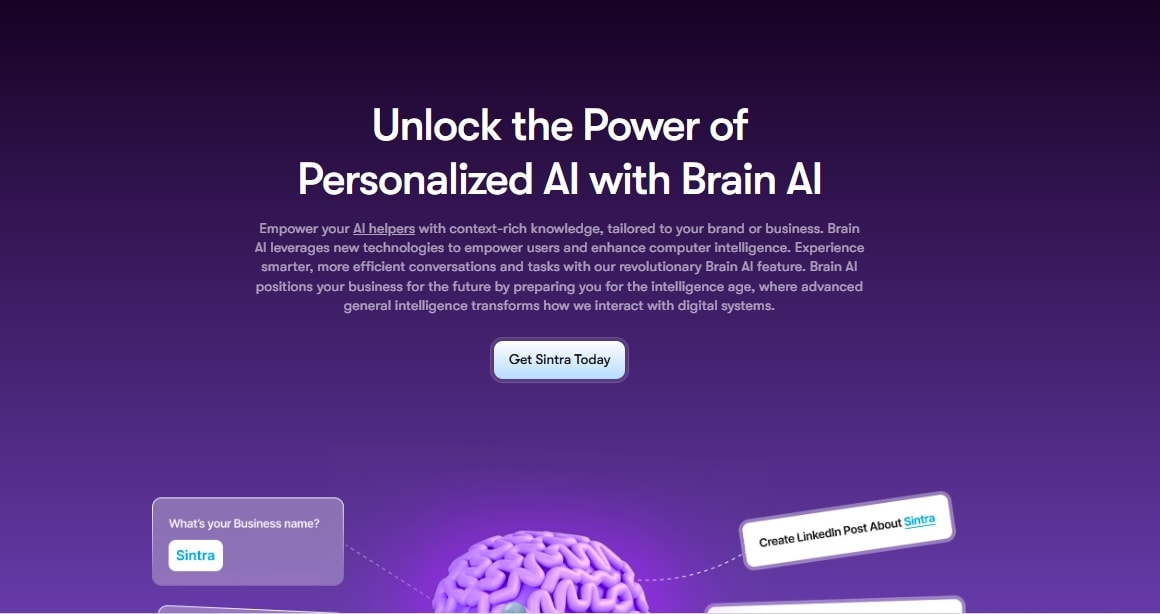
Tools like Sintra’s Brain AI can help you with this.
It is a knowledge base that stores your business data and evolves as you interact with customers. You can train it to produce favorable results from AI employees. For instance, whenever you task Seoshi, its content creator, to write something, it will craft original pieces tailored to your brand visibility.
Best Practices
- Take your time to focus on proprietary data. Share authoritative status and survey results wherever possible.
- Don’t be afraid to share your opinion. Add commentaries, personal experience, and analysis, especially when talking about trending industry topics.
- Produce image content and process breakdowns (with screenshots). Don’t just rely on copying and pasting from other sources.
- Study interviews from industry leaders and refer them wherever possible.
6. Refresh Evergreen Content Regularly
Stale content is of no use.
AI tools are developed to use and favor recent, up-to-date information from website content. And, this is especially the case in fast-moving industries like sales, marketing, and B2B.
So, a good approach is to repurpose existing content regularly. Adjust the structure, optimize writing, and there you have it - relevant content that boosts visibility and helps users find solutions.
Moreover, updating your content is also significant for AI models to rank it.
Best Practices
- Set reminders in your workflow to revisit and revise posted content after every six to twelve months. This will help the AI crawlers categorise it as fresh content.
- Update small things in your content, like statistics, internal links, and product references, every now and then.
- Add the last updated date on all your content. It will build confidence among your users about the credibility of your content and help AI crawlers find you easily.
- Employ paid tools like SurferSEO and Clearscope to identify what pages are outdated and need improvement.
- Always remember! It does not have to be difficult. Focus on small steps, and it will deliver in the long run.
7. Demonstrate E-E-A-T (Experience, Expertise, Authority, Trust)
If you are still not familiar with Google’s EEAT guidelines, you may be living under a rock.
Today, search results and rankings are all about showing experience, indicating expertise, establishing authority, and building trust. Let’s discuss them in detail.
- AI platforms favor expert knowledge coming from established authorities, such as industry experts, government sources, and more.
- Trust is yet another AI search’s EEAT component, and it requires attention to transparency, accuracy, and genuine user experience. If your content is not trustworthy, the AI will not consider it for citations.
- Experience in AI talks about your first-hand usage of products, services, and industry challenges. This is highly valued for brand visibility, as artificial means cannot replicate a genuine user experience.
- Lastly, expertise demonstrates the AI’s depth of knowledge to judge your authority. For site owners, it goes beyond knowing your field, but also includes systematic knowledge, expert references, technical depth, and due credentials.
Best Practices
- Be specific about your experience. Show measurable outcomes with performance metrics and timeframes. For instance, demonstrate conversion rates, your page load stats, and more.
- Use the challenge-solution-outcome framework to show experience. Highlight specific challenges users faced, how they implemented certain techniques, and what the measurable outcomes were. Always include a personal perspective to build trust.
- Invest in your research. Employ research tools, industry forum surveys, and competitors’ analysis to replicate and provide exceptional value.
- Create content that shows technical depth in the form of complex topics and their simplistic understanding. Produce technical guides and demonstrate strategy analysis that needs genuine expertise.
- Add internal links and external citations from expert sources. Show authority by targeting industry’s leading journals, professional website sources, and government agencies.
- Maintain the highest accuracy in your content. Always double-check your stats, claims, and publication references. Set up a fact-checking mechanism to maintain trust with customers.
8. Present Balanced Perspectives for AI Search Results
You must understand that over-marketing your brand is never a good idea, especially when struggling with visibility on AI engines.
These engines are trained on massive datasets, especially curated to avoid biases and different viewpoints.
You would’ve noticed that ChatGPT produces AI-generated answers with key takeaways, summaries, pros, and cons. This simply indicates that unbiased and balanced writing is more likely to get included in the responses.
Hence, your content should also reflect this balanced perspective. While doing so, you should be extra careful with specific recommendations and comparisons.
Best Practices
- Include summaries, key takeaways, pros and cons, and strengths and weaknesses in the content to facilitate the AI visibility.
- If you are comparing products or services, try incorporating summary tables. It not only helps AI extraction but also provides users with a seamless experience.
- Try to use comparative language, as an AI search engine prefers neural language over absolute views.
- Offer counterarguments that address your potential concerns and provide a complete picture of the topic. Include sections like Things to Consider, Drawbacks, and What Can Be Improved to build trust and authority among the users and modern search engines.
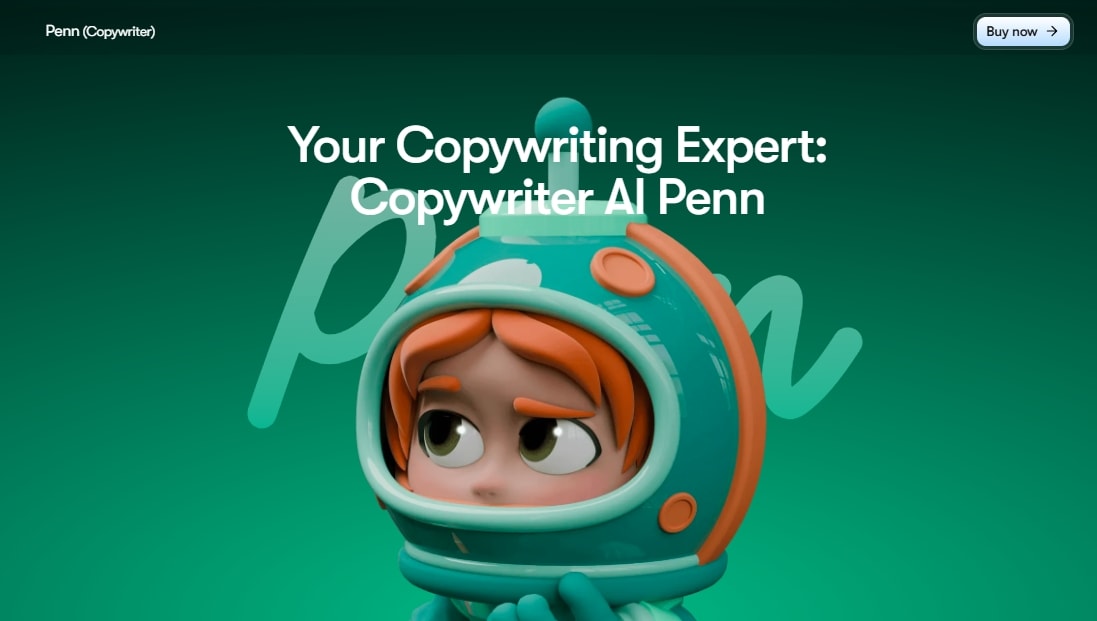
- Employ AI copywriters like Penn, as it can help you craft content however you like. It is backed by an extensive knowledge base, Brain AI, that helps it with context and technical knowledge. So, add your preferences, leverage the business data, and produce content that gets cited.
9. Monitor AI Engine Citations & Mentions in Answer Engines
Knowing what content from your website is being referenced by AI search engines is always an advantage. It helps you identify branding opportunities, spot not-so-useful content, and build a thorough content strategy.
Typically, companies employ tools like Google Console, SEMrush, and Ahrefs to track their rankings in the traditional search engines.
Thankfully, advanced tools like Sintra.ai feature an AI SEO expert like Seomi.
It employs advanced algorithms to track your citations in AI search engines. It is trained on 28K+ data points to ensure relevant and accurate results.

Best Practices
- Use specialized tools that can track your branded and unbranded content (that does not explicitly mention your brand).
- Run test searches on AI models with your keyword. For instance, enter specific queries on AI engines like Claude, Copilot, ChatGPT, etc, and see whether it shows your content (direct quotes, any reference link, or conceptual paraphrasing). If any, add this to your record.
- Traditional tracking tools are not best adapted for AI search visibility. Hence, it is better to employ AI SEO Agents like Seomi.
10. Create Multimedia & Video Content
Another big shift from traditional to AI-powered search results is the prioritization of multimodal content.
Today, AI engines pull data from a mix of formats, from text to visuals, and especially video. And, AI-generated answers can now transcribe and summarize moving visuals.
So, whenever someone asks ChatGPT or Perplexity how a certain software works? The engine will not only extract data from your blog but also video or image content.
And this is where you can actually shine. Introduce multimedia content to make your content stand out. Make product walkthroughs, video explainers, video testimonials, and more.
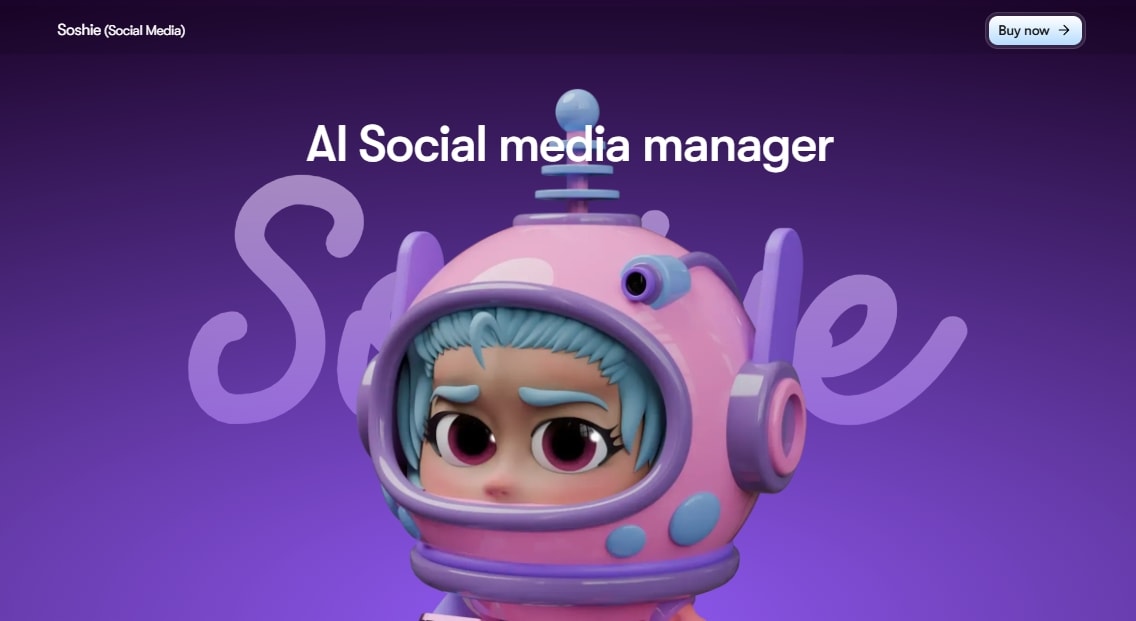
You may even employ generative AI agents for this task, like Sintra's Soshie.
It is an intelligent AI social media manager that creates images, videos, and lengthy blog posts tailored to your brand and posts them accordingly. The good thing about Soshie is that it not only strategizes your content creation but also implements analytics to track your content performance.
Best Practices
- AI models rely heavily on the content of your videos. So, always put in effort and time to add accurate transcripts and captions.
- Use schema markups to structure your video content. Use time stamps to signal what the video is about, important moments, and more.
- Carefully choose where to upload your brand’s video content. For instance, YouTube is an excellent platform for reach, while Instagram gives you better space to market products.
- AI search engine optimization is not just concerned about what’s in the video, but also how fast it uploads. Hence, it is ideal that your crafted content is optimized for mobile, lightweight, and doesn’t take much time to process.
- Include FAQs and CTAs in your videos to prompt user actions and engage them better.
11. Engage in UGC & Community Discussions Referenced by AI
As discussed above, UGC or User Group Content Communities are your catalysts to stand out.
Platforms like Reddit, Quora, LinkedIn Pulse, etc, are where all the users share their experience, exchange queries, and more. And, AI models get most of their data from these websites.
Now, what’s there for you? The simple answer is that you need to show yourself as trusted by leveraging data from these platforms.
Let’s say a Reddit or Quora thread on the best sales automation tool for a startup is going on within a group. And, AI crawlers are constantly citing this thread whenever you ask a query about startup software. Since the AI engine is already citing this conversation, you can jump in and add your valuable insights for visibility.
Best Practices
- Don’t simply market your brand. Rather, share genuine experiences, such as additional costs, scaling opportunities, and more.
- How to know if the thread you are focusing on is right? Focus on Reddit conversations with at least 50 responses. If you are using a Quora answer, look for a high-upvote. For LinkedIn Pulse, opt for blog posts written by recognized experts.
12. Monitor Your Progress and Progress
While you are putting in so much effort to remain visible on AI engines, you should invest time and measure the impact of the work you’re doing.
This can help you monitor your ROI (return on investment) and build a case for business expansion.
There are several things you can monitor, including the tracking AI crawlers that visit your website and users who come from AI-suggested sources. You can also employ advanced tools to track specific instances where your content is quoted.
Best Practices
- Set up your custom SEO dashboard to track metrics such as traffic source, LLM Referrals, and organic search.
- Employ advanced tools like Semrush, Scrunch AI, and Ahrefs to track the presence of AI helpers or crawlers on your content and website.
- You should also employ AI data analysts like Dexter to monitor your content progress. This forecasting agent provides you with precise ROI calculations, financial reports, and predictions that help you make data-driven and informed decisions.

Conclusion: Master AI Visibility SEO Strategies in 2026
There you have it - all you need to know about what to do to become visible on AI search engines. These AI optimization strategies can help you get cited by popular AI models and build trust among customers.
That said, it is understandable that doing so much can be overwhelming, especially when you have a small team. And, if recruiting new people is not on your page, try employing AI tools like Sintra.ai.
It is an advanced sales tool with specialized AI agents that handle everything, from social media management to SEO optimization and content production.
With this, you don’t have to switch platforms at all.
FAQs
How do AI visibility SEO strategies improve SEO?
To improve SEO with AI, you must create content that shows expertise, demonstrates experience, represents authority, and builds trust. For this, focus on user behavior, the structure of your content, schema markup, and technical SEO.
What is the best AI for SEO content?
There is no simple answer. The selection of AI for SEO optimization depends on your preferences. For instance, Sintra.ai is an ideal choice for automating sales and generating content that tracks, while Surfer SEO is better for optimizing the content. Similarly, Writesonic can be a good choice for content drafting and creation.
How do you increase traditional SEO visibility?
To improve your traditional SEO visibility, it is essential to focus on the quality of the content and optimize it. Some best practices for increasing your visibility on AI search platforms include implementing technical SEO, conducting keyword research, and building internal link strategies.
What are the best traditional search strategies for AI visibility tools?
The best strategy to become visible on AI tools is to focus on structured pages and directly answering questions. You need to invest time in community conversations and hot topics. Additionally, it’s equally important to craft comprehensive answers that are data-driven and cover broader subjects related to that topic.
Related articles





Want a mystery discount on your order?

PlayOS, Inc.
All rights reserved