


Copywriter AI Employee
From blank page to finished copy - Penn helps you write faster, clearer, and with intent. Our AI writing assistant is built to support real business writing, not just generate text.


Understands your goals, tone, and audience
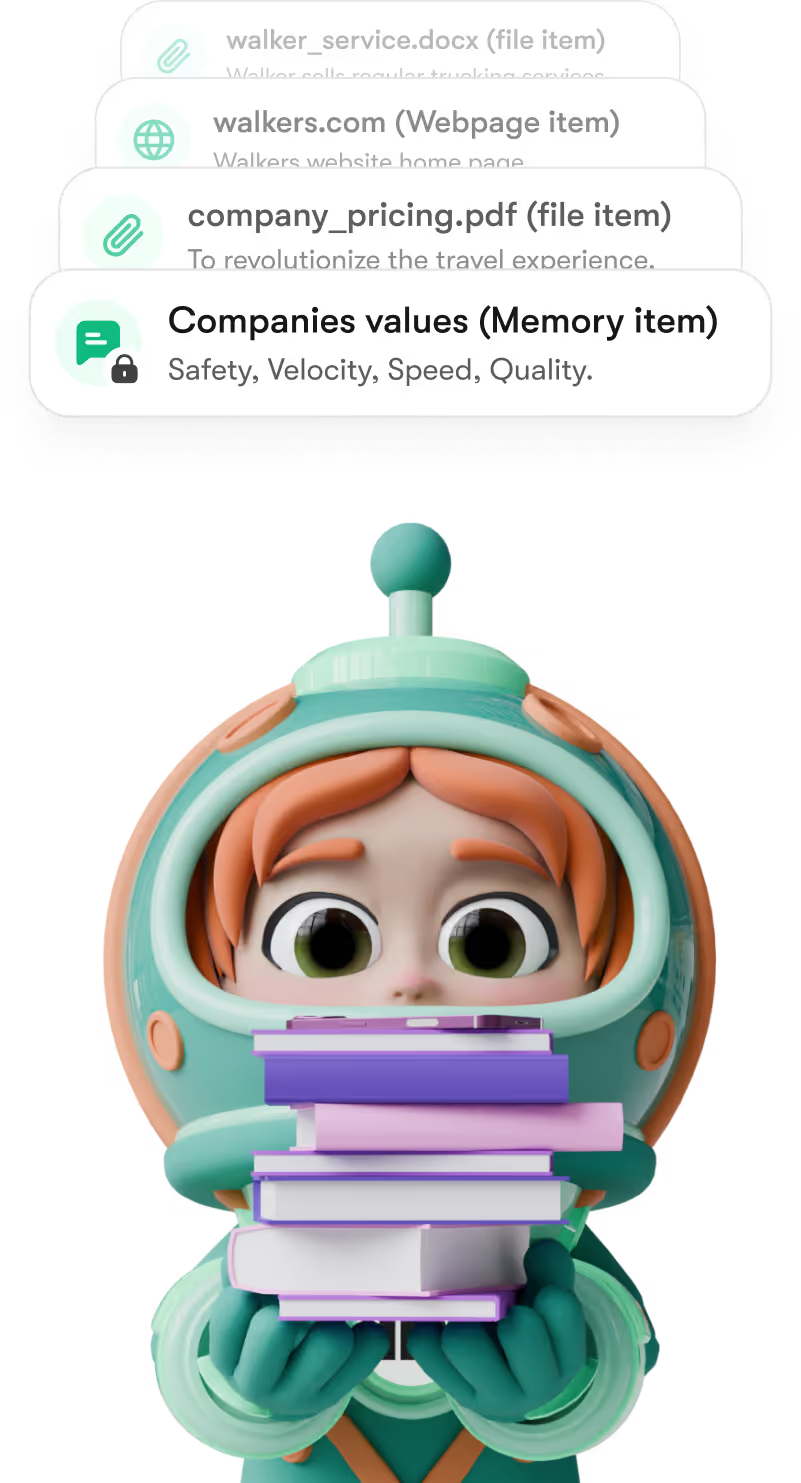
Turns rough ideas into structured copy
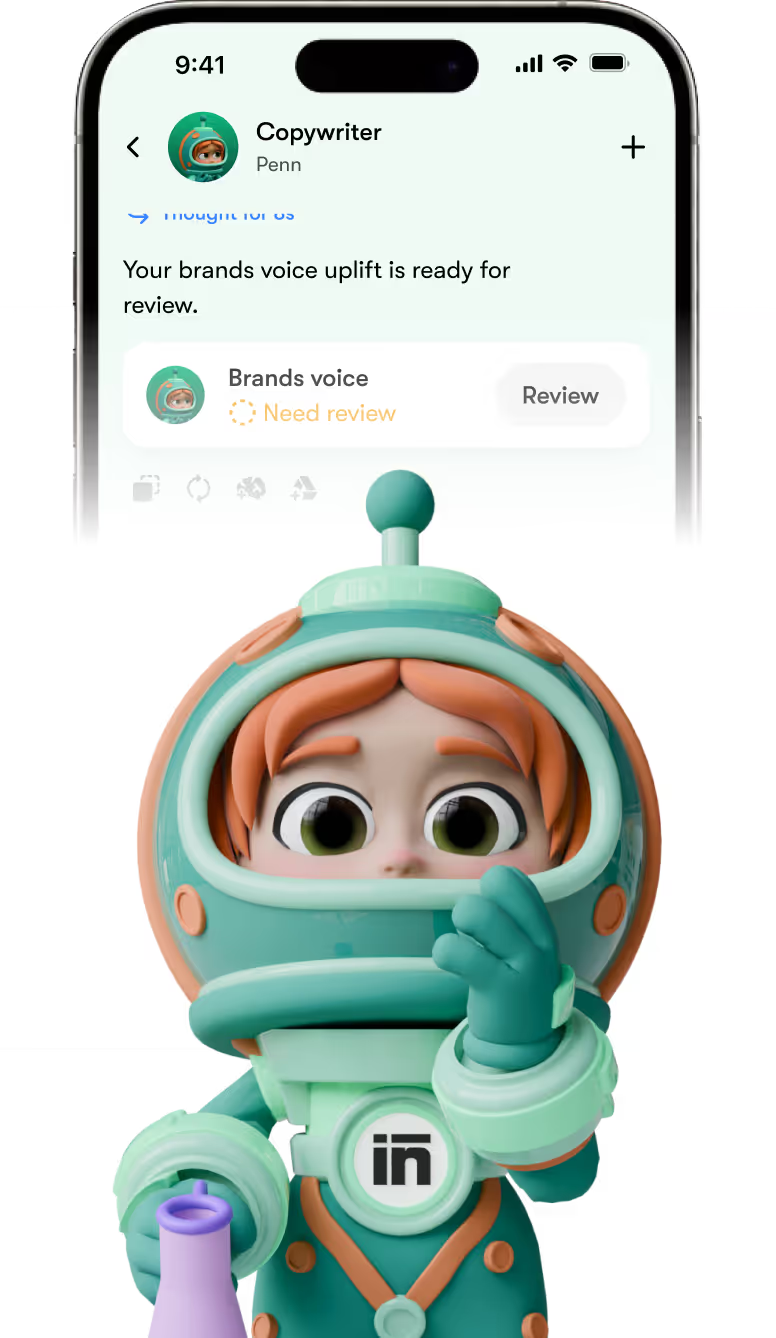
Supports long-form and short-form writing
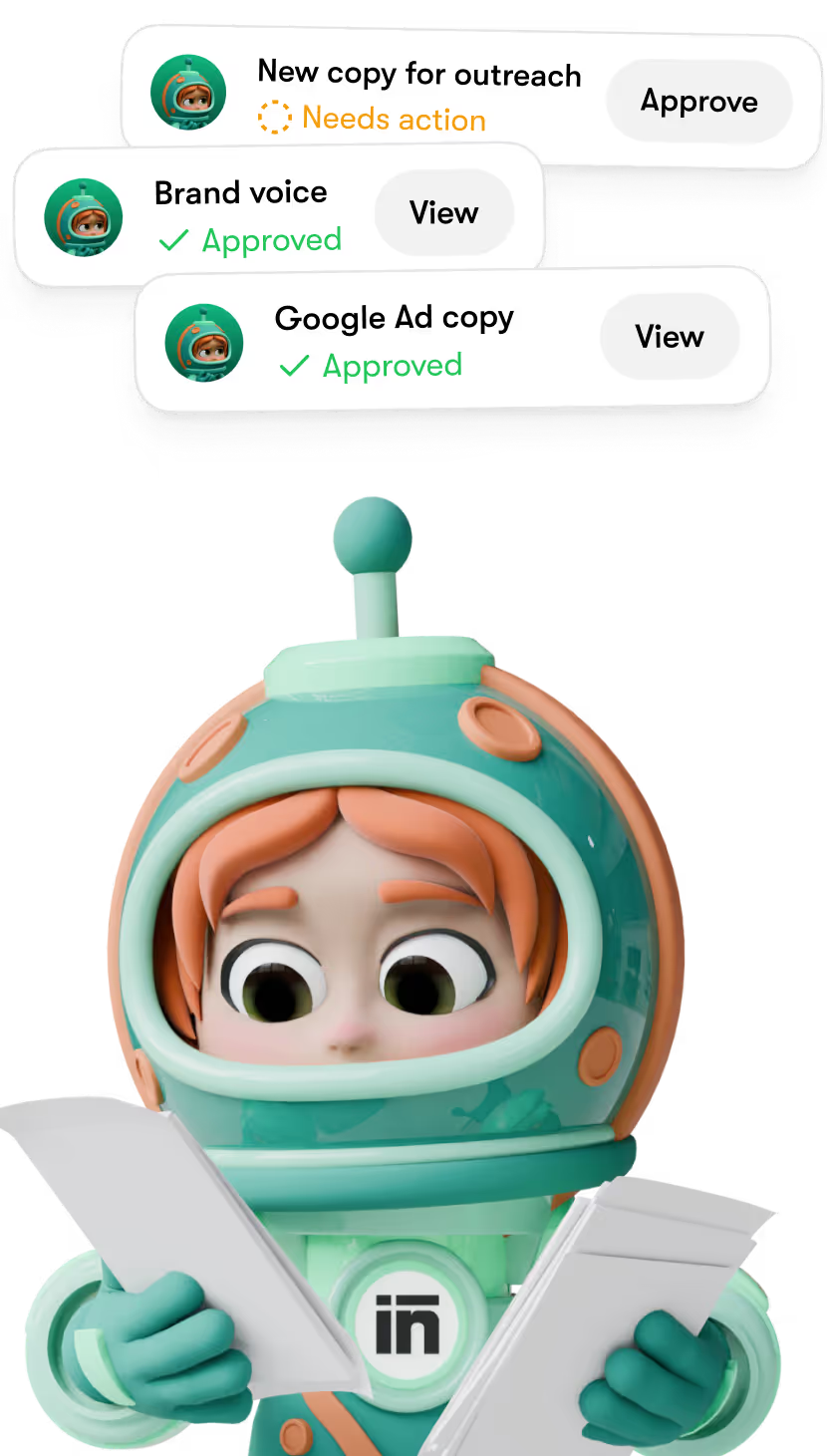
Works continuously, without burning you out
Most teams don’t struggle with writers block - they struggle with execution.
Drafts pile up. Edits loop forever. Messaging loses consistency.Penn brings structure to writing so teams ship copy with confidence, not friction.
One AI writer - no extra layers required.

Simplified onboarding
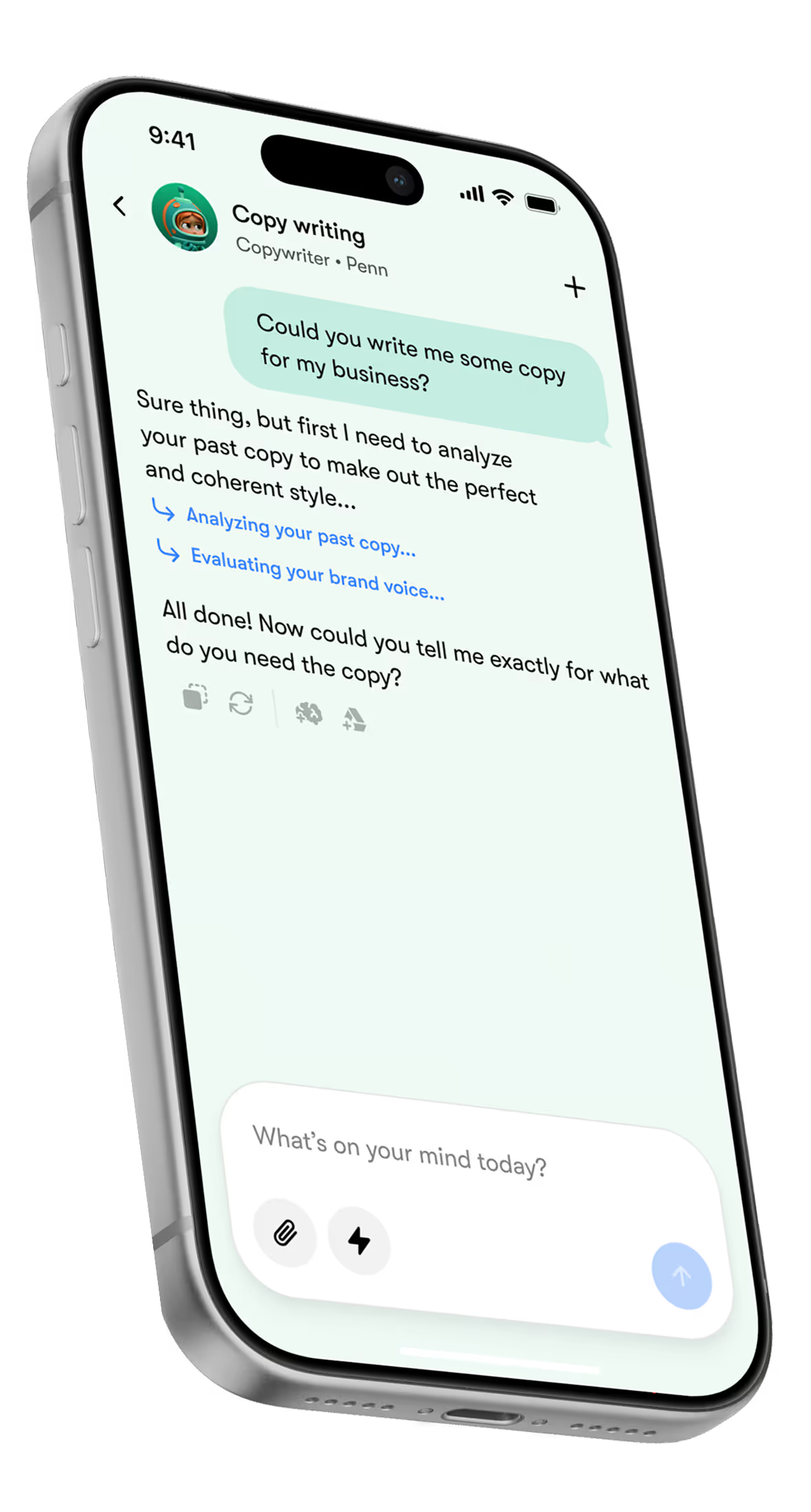
Getting started is intentionally simple. Create an account with Sintra AI, set up your writing workspace, and let Penn take it from there.
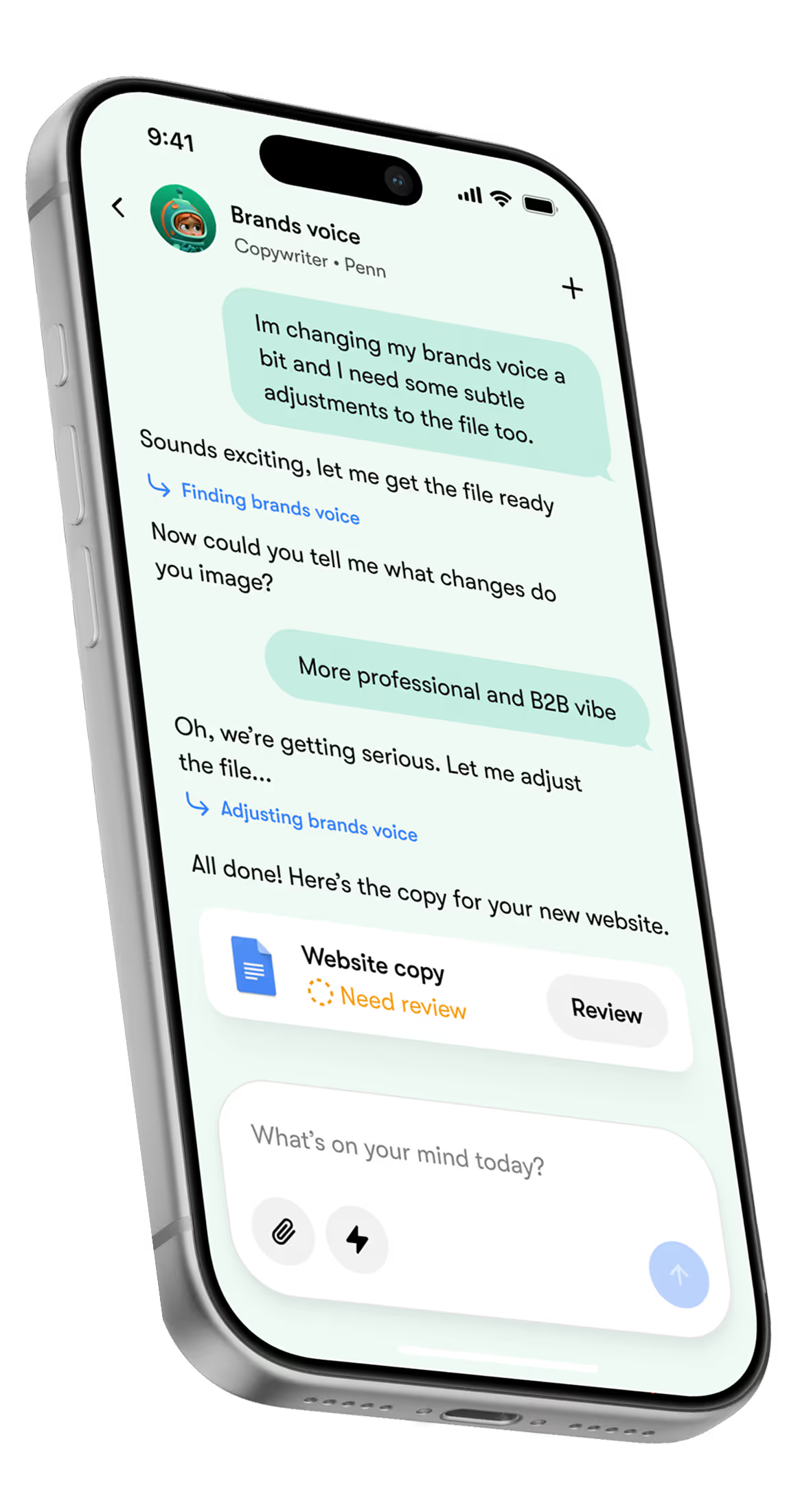
Inform your agent
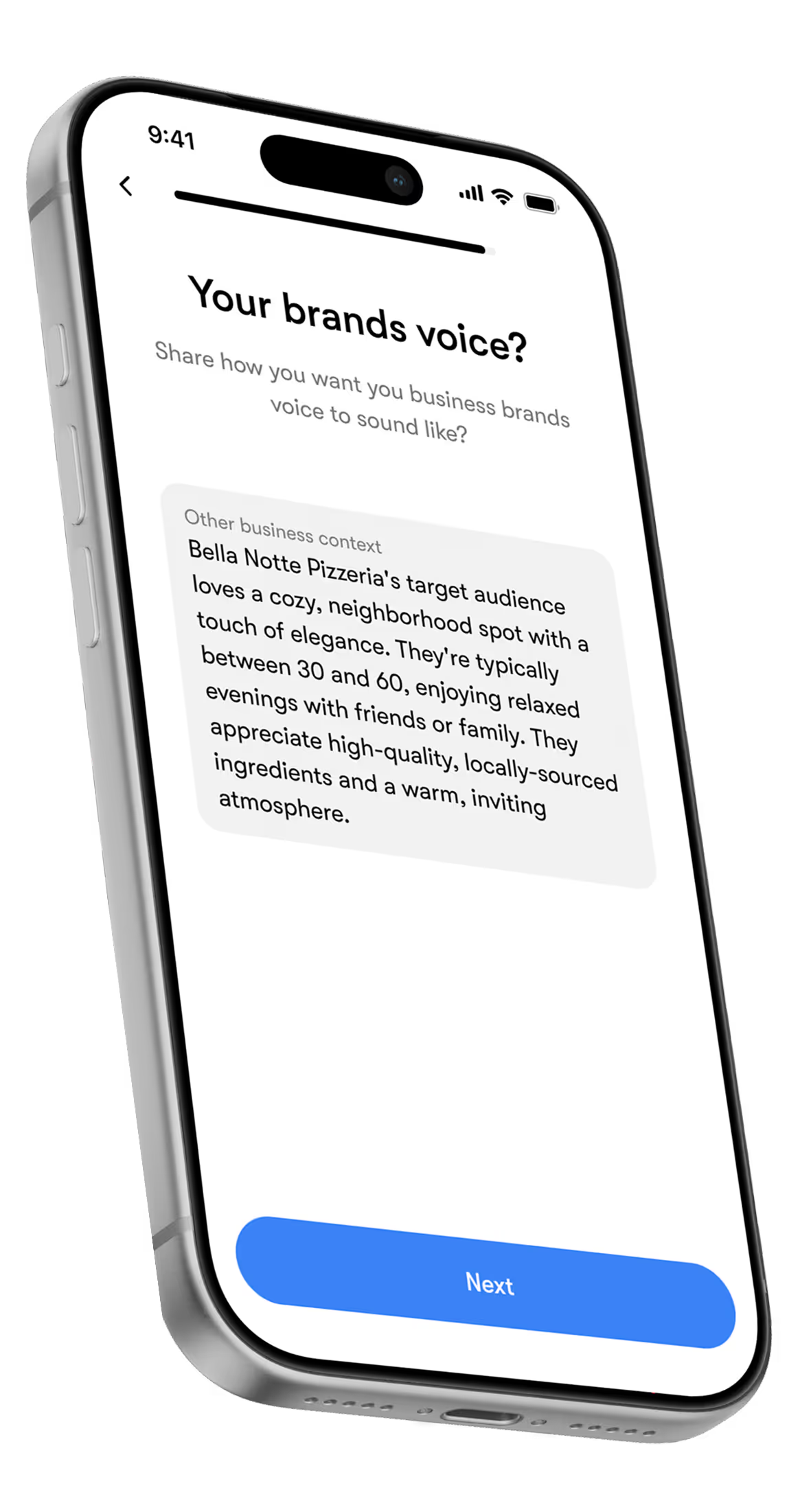
Share your brand, audience, goals, and examples - so Penn understands how you write and who you’re writing for.
Add writing context
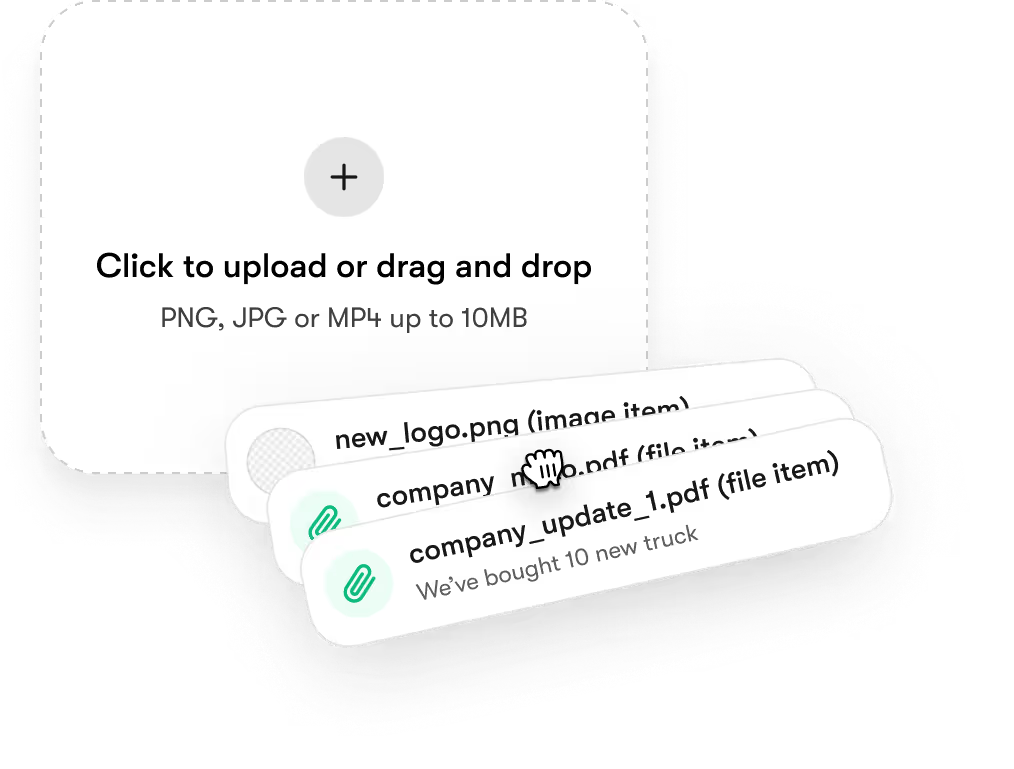
Upload documents, drafts, guidelines, and references through Brain AI to ground every output in real context.
Define writing intent
Set tone, format, length, and purpose - so your AI writer knows what “good copy” looks like.
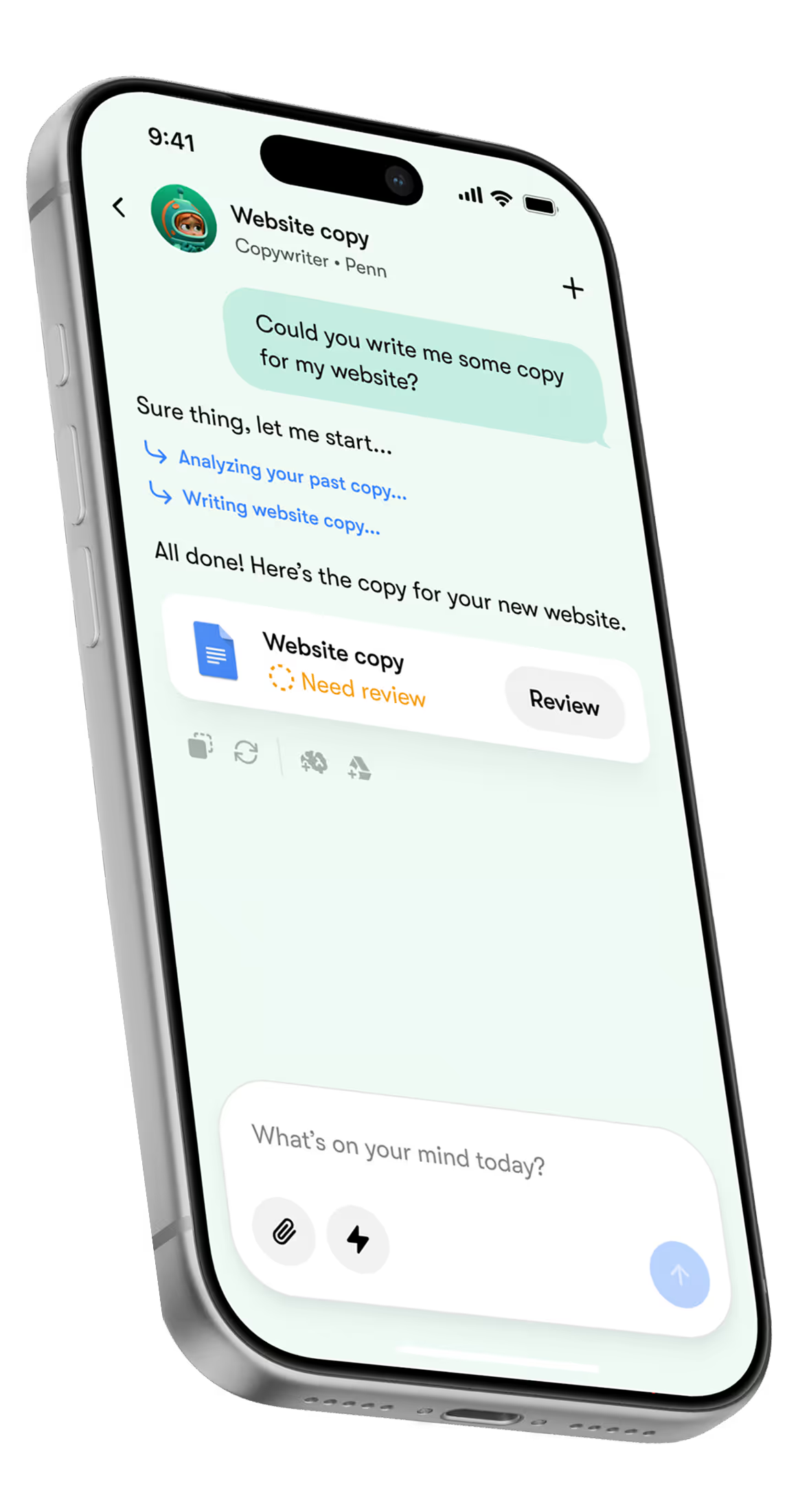
Penn drafts, You approve
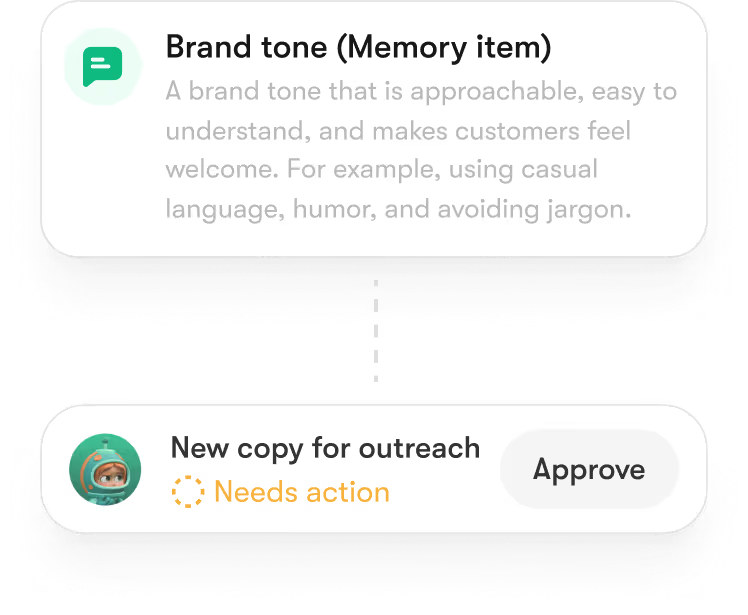
Generate copy, review edits, and refine direction. You stay in control of every word.
AI writer helper for
productivity boost
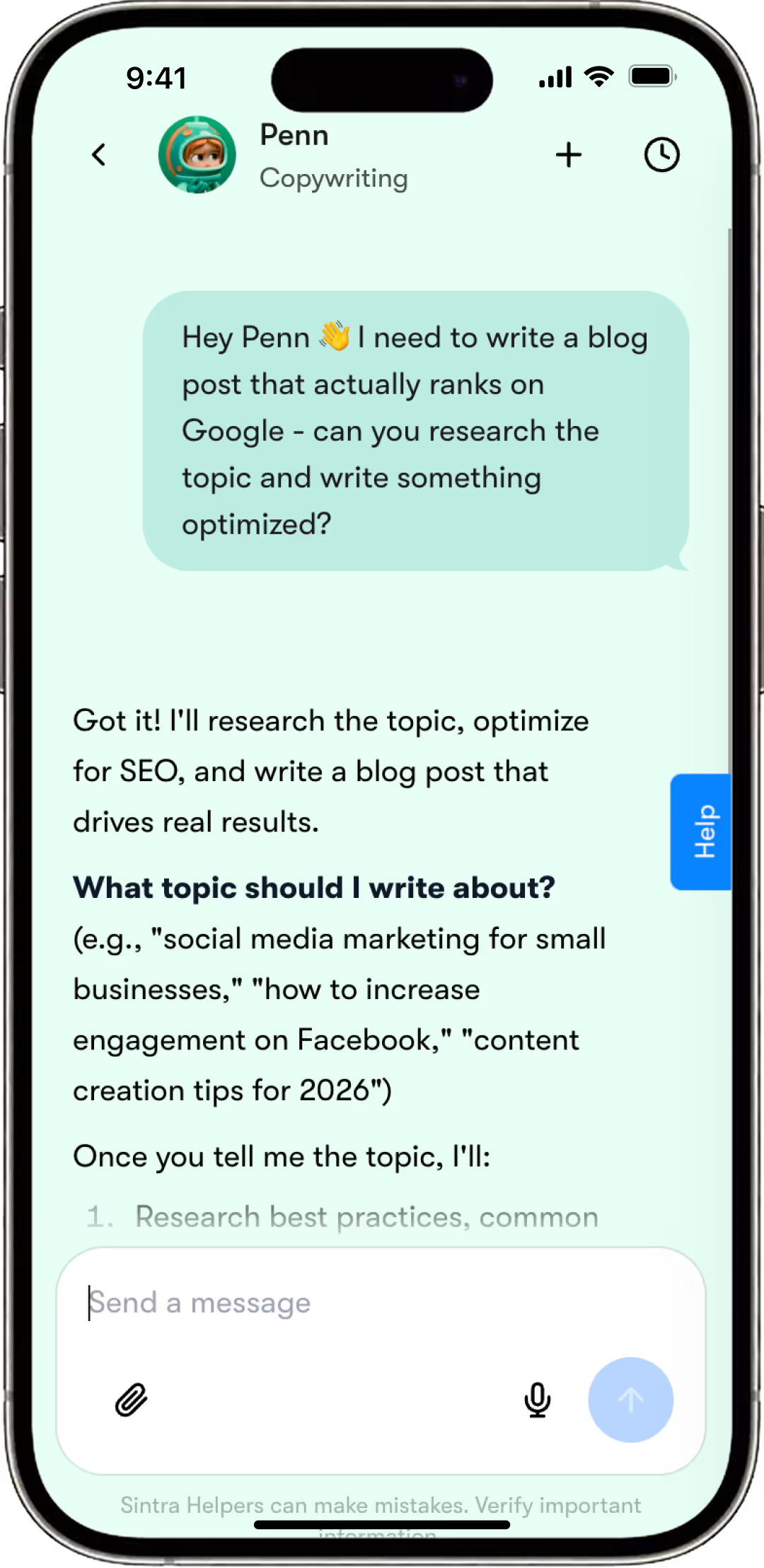
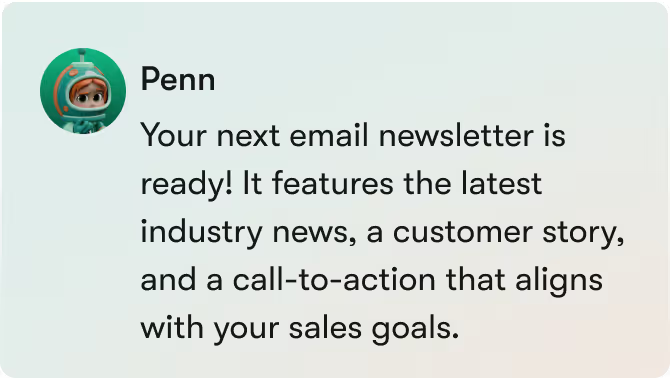
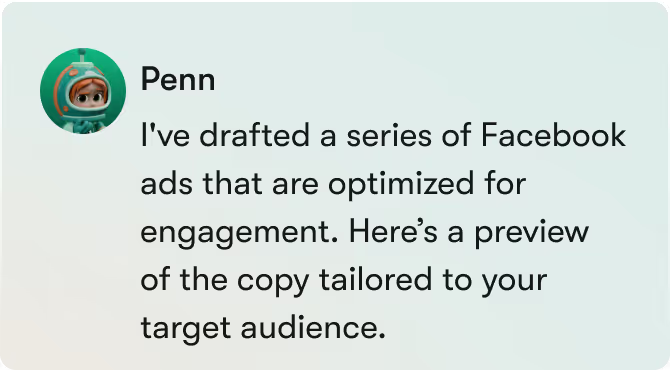
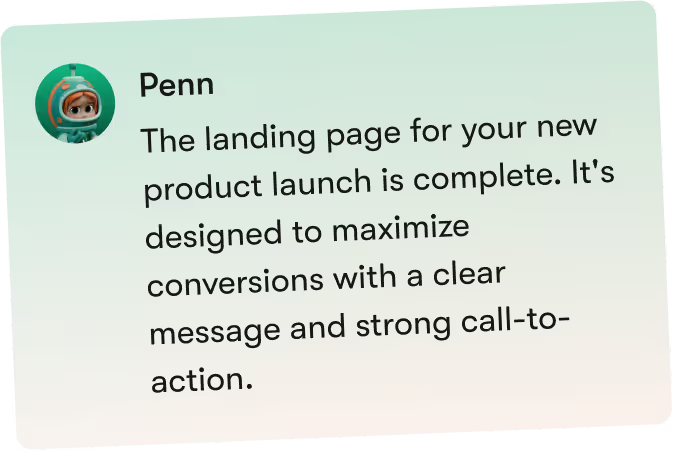
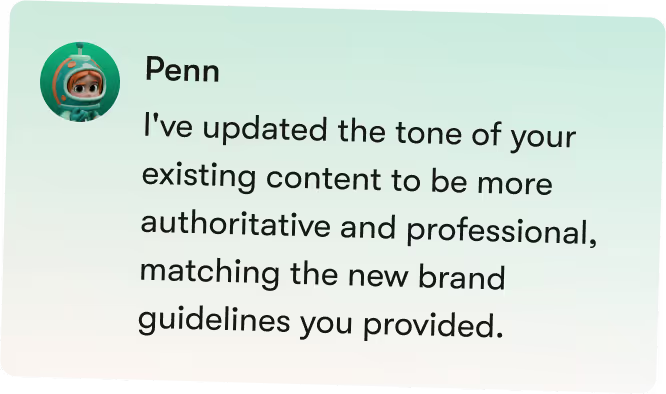
Penn turns writing from a bottleneck into a repeatable process.
Instead of staring at blank pages or rewriting the same thing again and again, you get clear drafts shaped by intent and context.
Your team focuses on thinking and decisions. AI writer handles drafting, restructuring, and refinement.
Draft marketing copy
Create clear, persuasive copy for websites, landing pages, and campaigns.
Write long-form content
Support blogs, articles, guides, and thought leadership.
Improve existing copy
Edit for clarity, tone, structure, and effectiveness.
Adapt copy for different audiences
Tailor messaging by role, industry, or awareness level.
Create product descriptions
Turn features into benefits with consistent positioning.
Write sales copy
Support emails, pitches, and outreach messaging.
Draft SEO-ready content
Structure copy with search intent in mind - without keyword stuffing.
Create headlines and hooks
Generate options that capture attention and set direction.
Support brand voice consistency
Apply tone guidelines across all content.
Rewrite and re-angle content
Repurpose copy for new formats, channels, or goals.
Draft email campaigns
Create sequences, follow-ups, and announcements.
Your copywriting,
on autopilot mode.
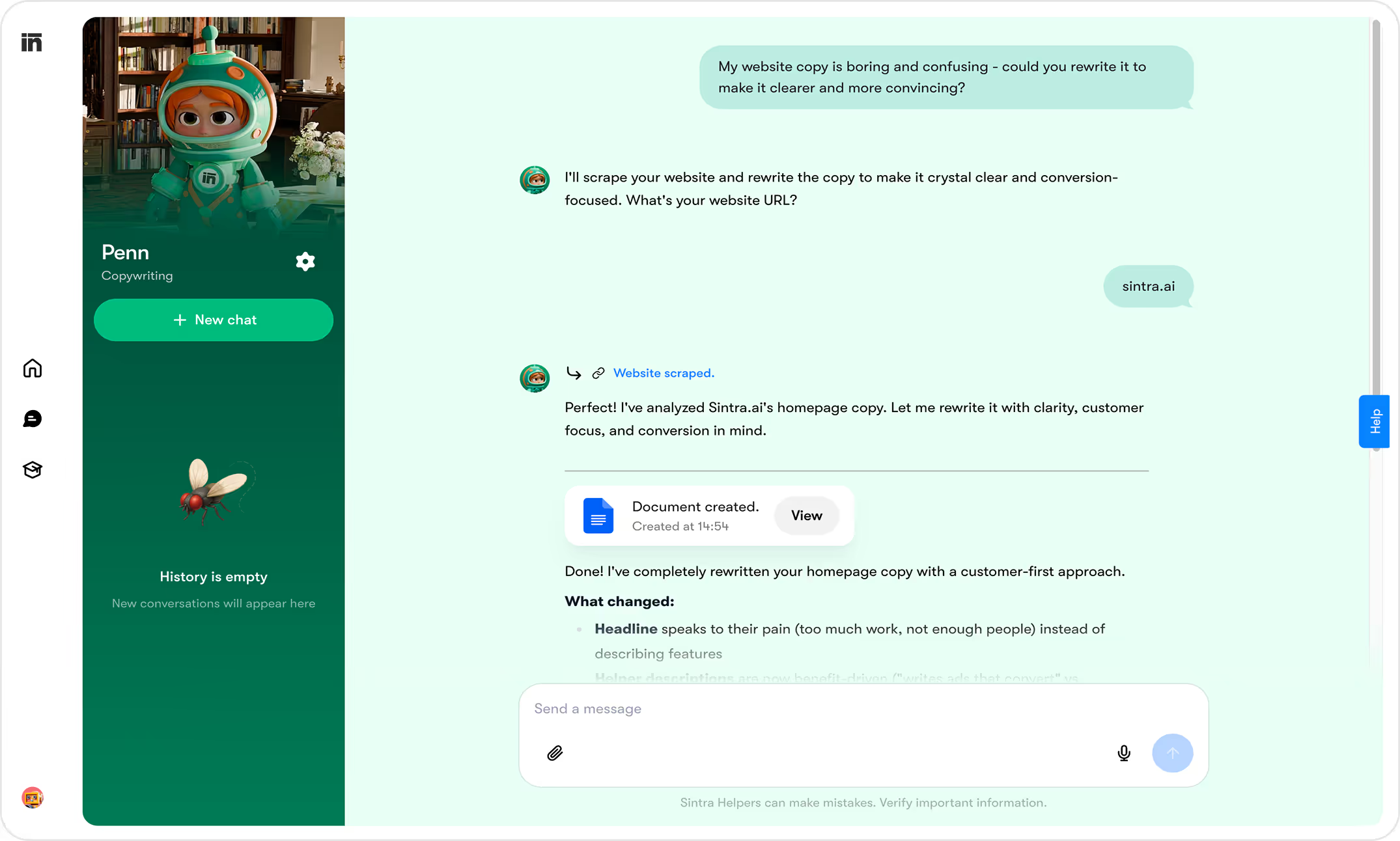
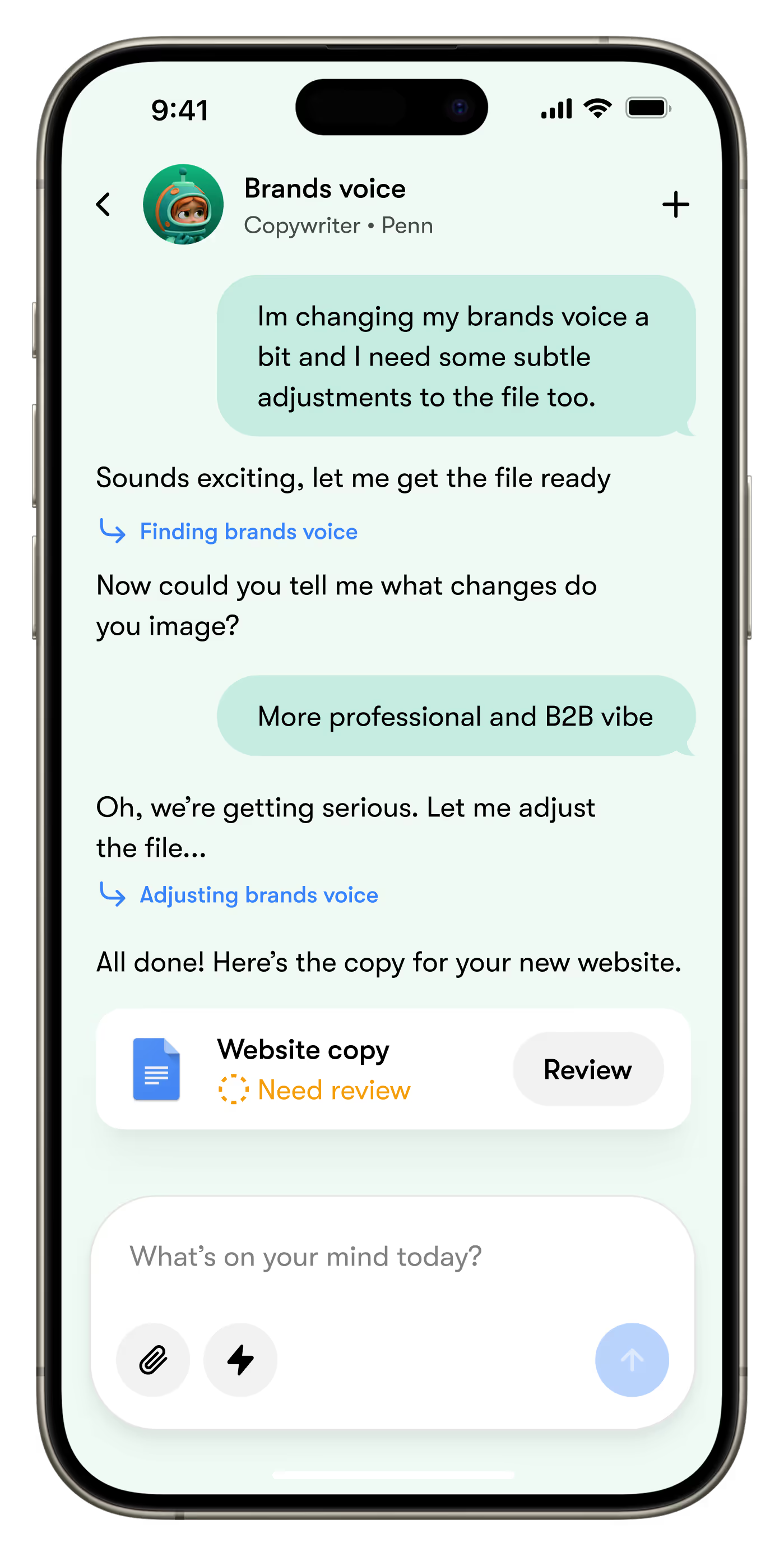


Works without inspiration. Writing moves forward without waiting for inspiration or perfect timing.
Faster drafts. Ideas turn into usable copy without friction or blank-page delay, even at scale.
Cleaner edits. Fewer revision loops and clearer direction from the first draft.
Consistent output. Copy stays consistent across pages, campaigns, and formats - even as volume increases.

Penn has written millions of words. To help you communicate like a pro.
More than
50M+
words written
Available
24/7
on autopilot
More than
45,000
creators supported
More than
2M+
pieces of content generated
Powered by best language models.
Trained for real copywriting.
Penn applies generative AI to understand structure, language patterns, intent, and tone across real-world writing tasks. Every draft is grounded in context and purpose - not generic replies that feel like fillers. Output stays focused, relevant, and usable from the first draft.
Powered by Brain AI
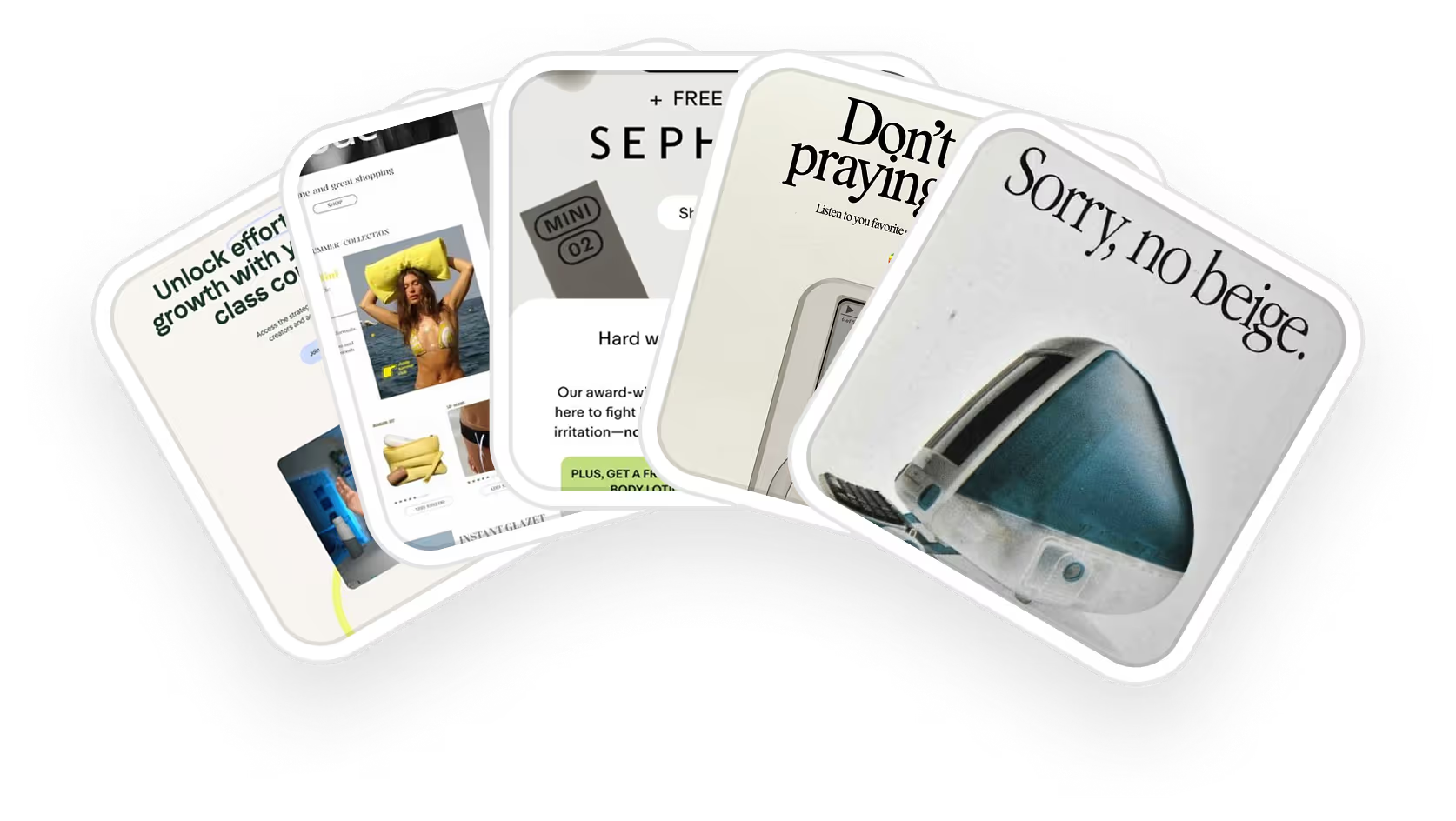



Brain AI is what makes AI writer assistant contextual. It acts as an index of your brand guidelines, previous drafts, examples, rules, and preferences. Penn uses this information as reference every time it writes - so you don’t have to repeat instructions and your copy stays consistent as your work evolves.
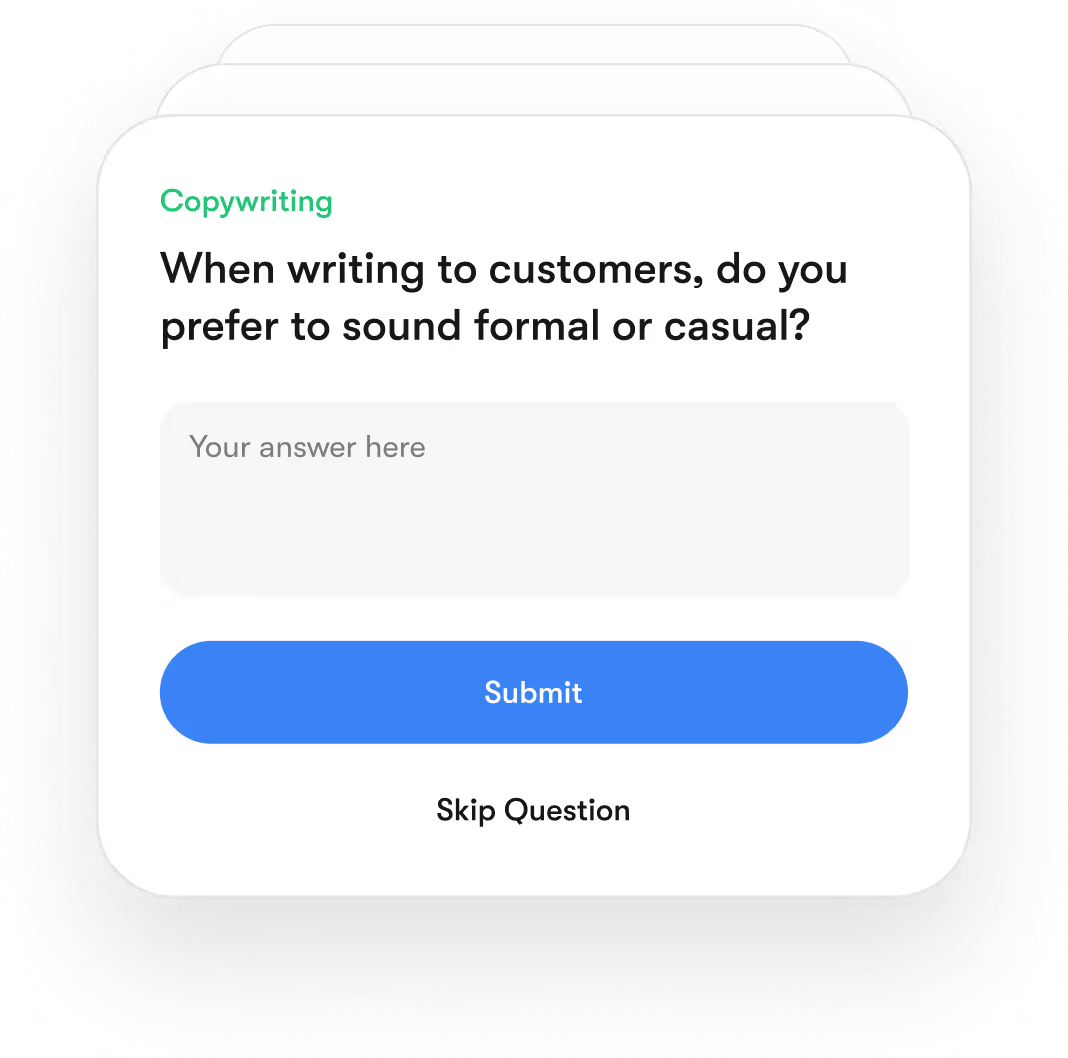
1. Always up to date
Your tone, goals, and references evolve - Penn keeps up.
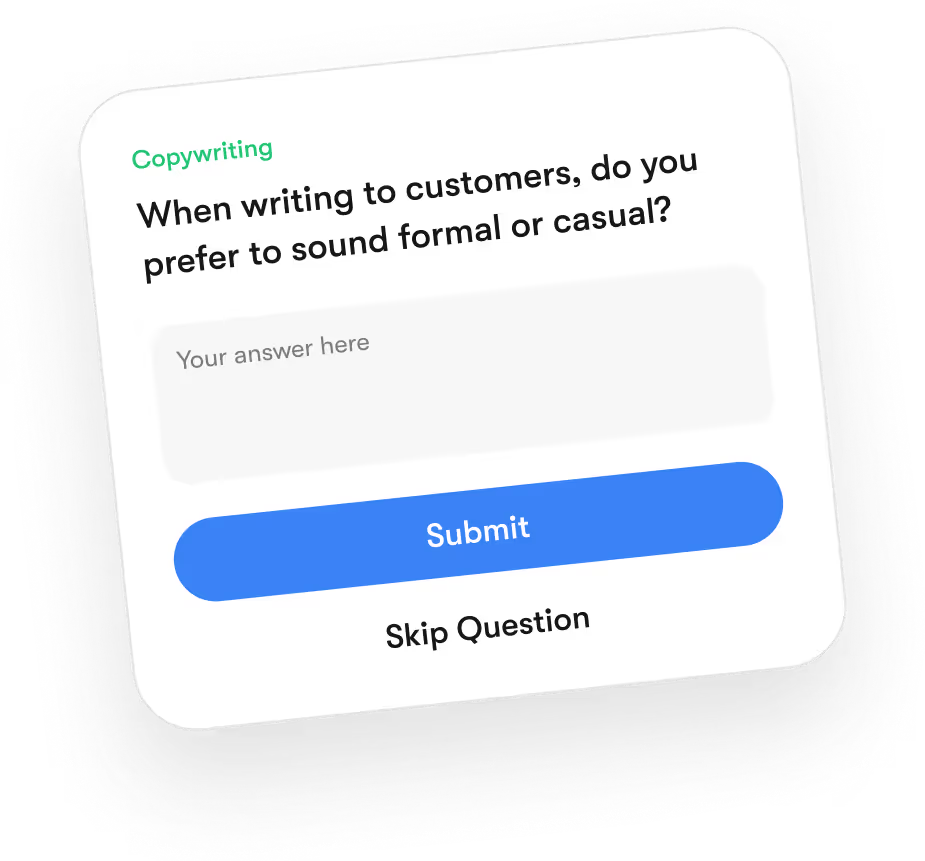
2. Context that compounds
Each approved draft improves future output.

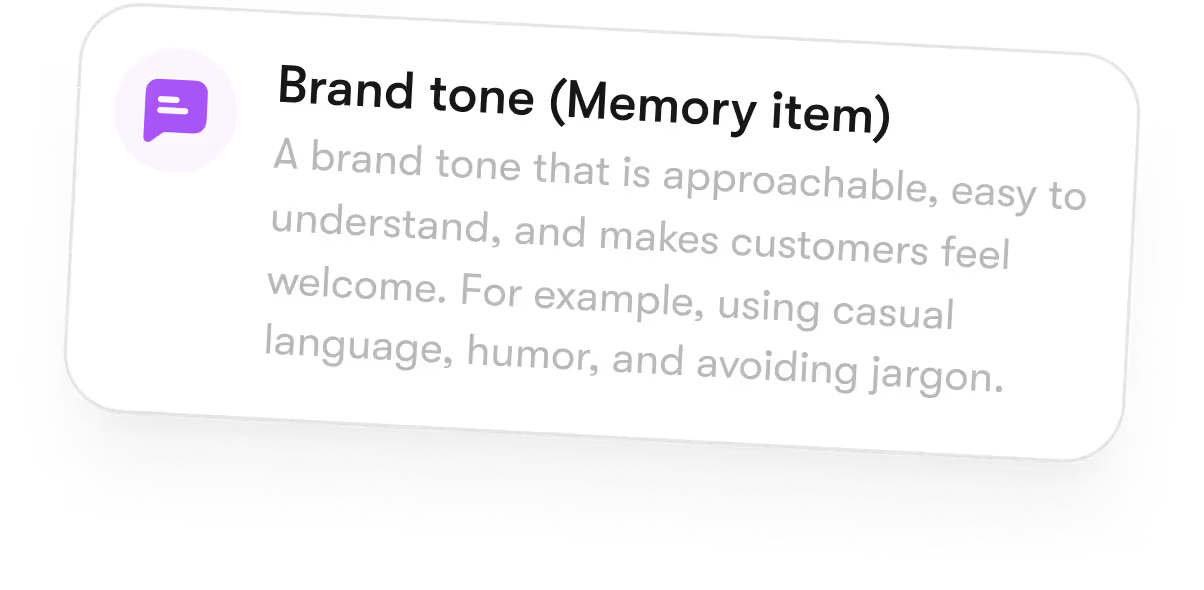
3. One source of truth
Voice, messaging, and standards stay aligned in one place.

With great powers
comes great privacy.
Encrypted by design
From your first login to the last addition in your business knowledge vault, every interaction is encrypted in transit and at rest. This means that neither Sintra nor any third party can access your files or analytics.
Full Data Ownership
"Your content, your strategy, your AI - they belong entirely to you. At any time, you can delete your data or export it. We don’t train models on it or resell it, and your Brain AI is built exclusively on your own assets.
GDPR Compliant
We follow the highest standards of data protection under the GDPR framework. Your personal information is collected and stored transparently - with clear rights to access, modify, or delete your data at any time.
Penn is the most ❤️ loved AI copywriting assistant online
Creative, but always on brief
Ideas flow without losing direction. Penn balances creativity with structure, so copy stays purposeful -not random.
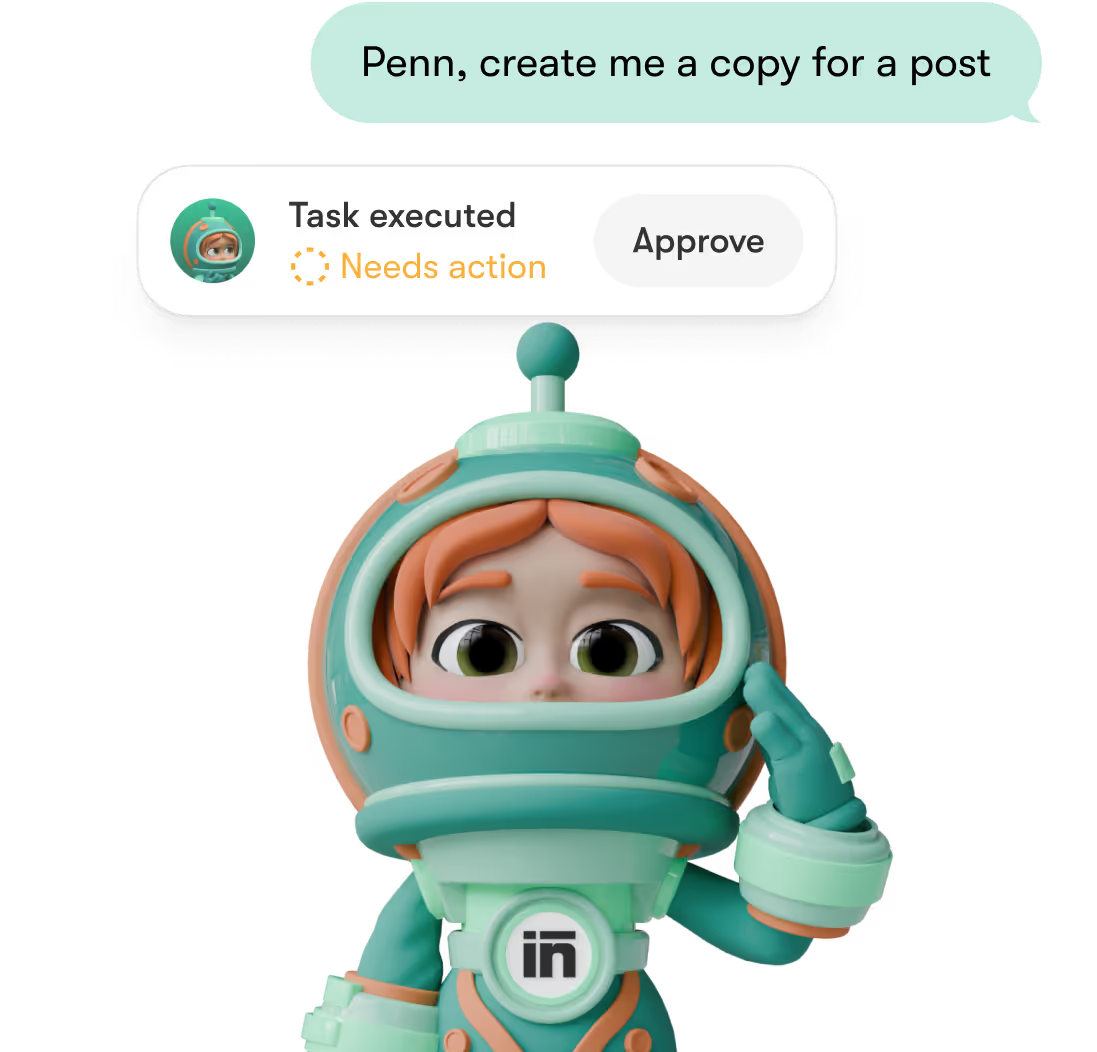
Simple writing flow
No complex editors or cluttered interfaces. Just write, review, and refine without friction slowing you down.
Fits into your existing workflow
Penn supports writing for emails, websites, and social channels - without forcing you to switch tools or reformat content.

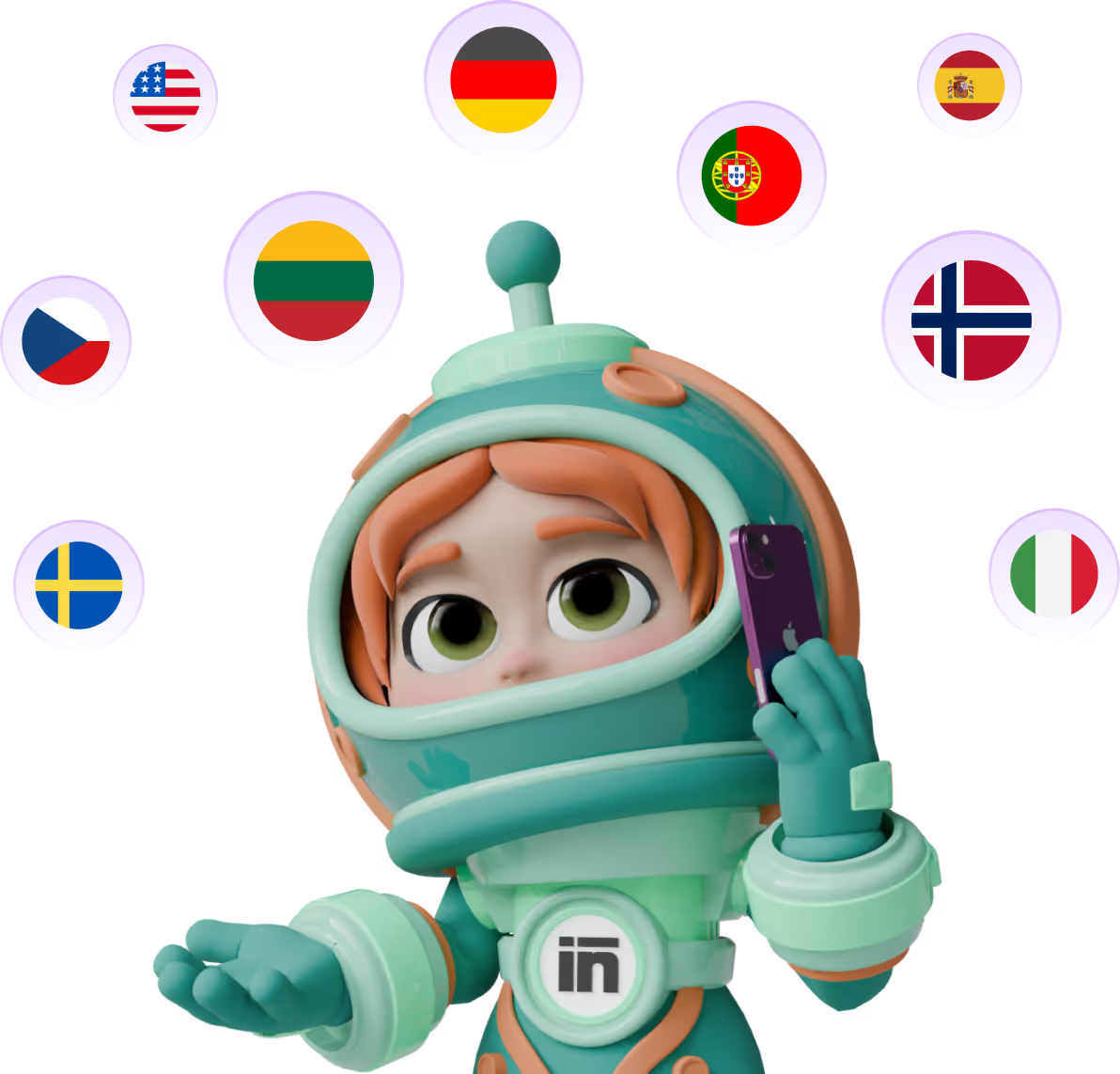
Writes fluently across markets
Create copy in 150+ languages while keeping tone, clarity, and intent consistent across regions.
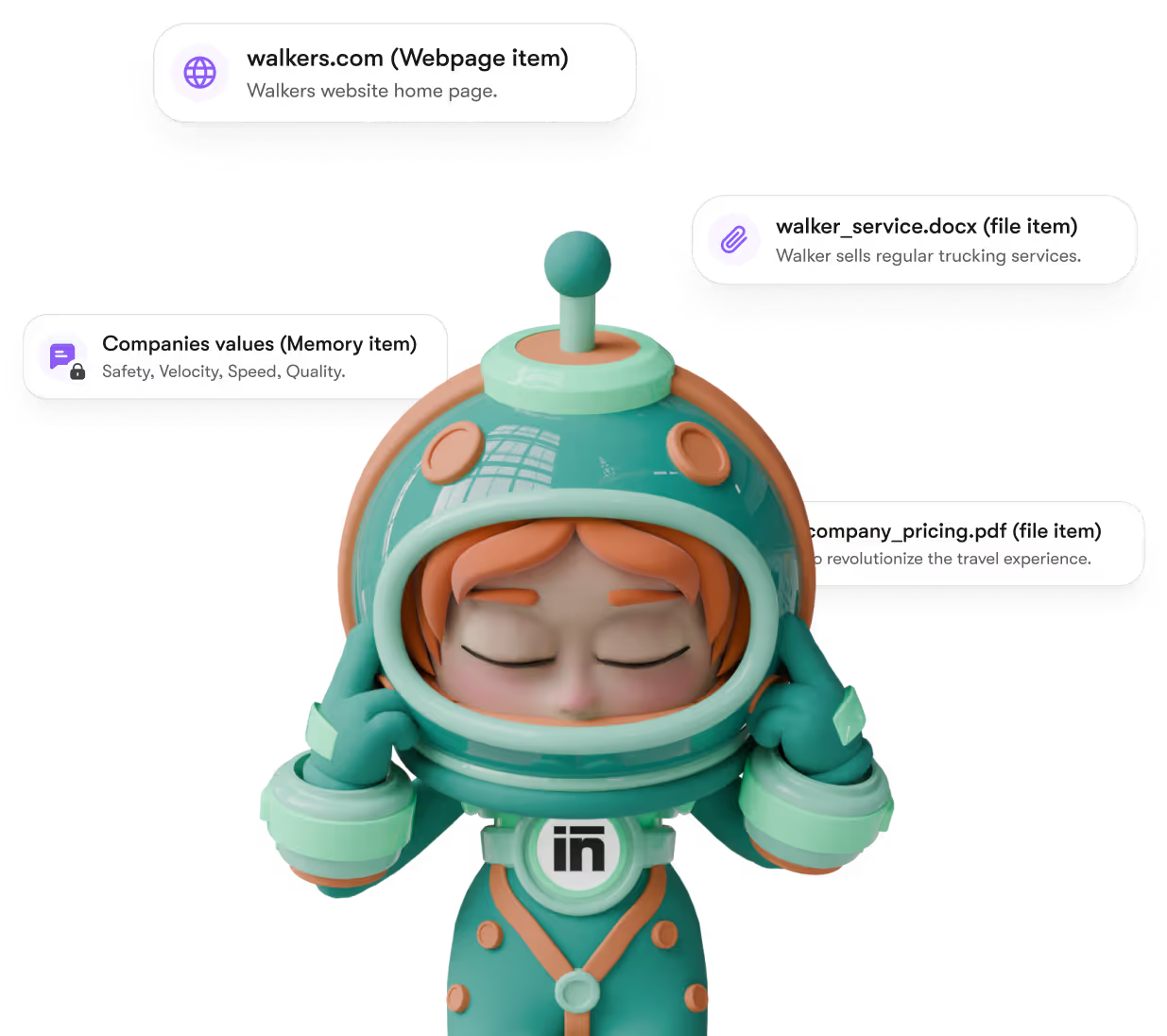
Generates ideas at scale
When direction runs dry, your AI writer suggests angles, outlines, and variations - so momentum never stalls.
Collaborates when work expands
If writing requires research, strategy, or analysis, Penn can involve other Sintra helpers to move faster together.
Compare Penn vs Alternatives
Write faster. Edit less. Save $400/month


Trusted by founders, marketers, and teams worldwide




Hire AI assistant writer for just $1 per day.
Penn
Your reliable AI powered copywriter.

Try Penn risk-free for 14 days
Not sure if our AI assistant for writing fits your workflows? Test it for 14 days or get a full refund - no questions asked.

Used by more than 50,000+ founders.


I can’t recommend SintraAI enough. It’s like having a personal business coach 24/7, mapping out steps to grow my company and clarifying my priorities. I feel a renewed sense of focus and control every day.
December 29, 2024 • Socrate Concepcion • US

Each AI bot tackles my to-do list, from scheduling tasks to crawling my website for SEO tips. I love how it set up calendar reminders for all my commitments. Sintra.ai is well worth every penny, especially for a busy single-person business.
December 14, 2024 • Jennifer Glenn • US

As an entrepreneur launching a new venture, Sintra.ai has made a real difference. The AI assistants are like personal staff I can rely on. And whenever I needed support, the team was on point. A must-try for any budding business!
December 21, 2024 • Custódio Barreiros • HU

I once had a large team, and although I loved my helpers, they needed constant motivation. With Sintra, there’s no drama, just new ideas that I can simply accept or reject. It’s a huge relief—100% recommended.
December 26, 2024 • Holly Wehde • US

Hiring Sintra was a great decision for my struggling boutique. They handle social media posts, guide my ads, and even offered a solution for double social media pages. Now I can focus on my inventory and customers.
December 17, 2024 • Michele Davis • US

Signed up for Sintra X—it felt overwhelming at first, but once it understood how I think, it turned into a creative powerhouse. Support is top-notch, and the daily integrations impress me.
Dec 10, 2024 • Sami Liftoff • US

I’m not usually one to give top marks, but once I got comfortable with Sintra’s 12 helpers, I was blown away by their efficiency. They churn out so many analytical ideas I have to pause and digest them. It’s sometimes overwhelming, but in a good way.
December 29, 2024 • lars • DK

Sintra integrates with all my favorite tools and these little helpers automate my tasks in a huge way. They actually learn my company’s style day by day. It’s a massive step up from generic AI chats.
December 30, 2024 • Michelangelo • IT

My life is simpler with Sintra. It handles content creation, next steps, brainstorming, and copy. I highly recommend it if you want to free up mental space for what truly matters in your business.
December 28, 2024 • Lionel D'Alvia • US

My “team” in Sintra knocks out tasks like magic, offering fresh ideas for efficiency and better customer outreach. It’s a relief knowing I have AI assistants ready to go around the clock.
December 31, 2024 • Kat Angelica • US

I’ve only been using Sintra for a couple of weeks, but the experience has been great—especially with the social media bot reaching out to me with new ideas. The pull model feels super proactive and makes me more confident in my daily tasks.
December 30, 2024 • Bayan Qandil • US

I challenge anyone to compare other platforms to Sintra.ai and their staff—you won’t find a better customer experience. Everyone is professional, responsive, and genuinely cares about helping. Truly top-notch!
December 28, 2024 • Timothy Montjoy • US

This platform helps me like a full-time employee would. As a startup, I can’t afford extra staff, so Sintra stepped in to handle complex tasks and free me up for big-picture thinking.
December 28, 2024 • Jules Kincaid • US
I’m juggling multiple hats in my business, and these 12 AI “helpers” lighten the load. They even crack jokes and celebrate milestones with me! I saved thousands in consultant fees by letting Sintra handle SEO and content tasks.
December 30, 2024 • Michelle Smith • US

This platform helps me like a full-time employee would. As a startup, I can’t afford extra staff, so Sintra stepped in to handle complex tasks and free me up for big-picture thinking.
December 24, 2024 • Domanic R.H • US


AI Copywriting
Tool FAQs
Pricing starts at $97/m for all helpers in Sintra X team. Additional savings available with annual billing.
Support available 24/7
Need help? It’s always within reach - get support that fits your schedule.

What is an AI writer?
An AI writer helps draft, edit, and improve written content by working from context, intent, and guidelines - so teams write faster without sacrificing quality.
Why use AI writer for my business?
An AI writer helps reduce decision fatigue around writing. Instead of debating phrasing, structure, or tone, your team gets clear starting points and options - making writing decisions faster, more confident, and less mentally draining across the business.
Why choose Penn instead of other AI writers?
Most AI writers generate text in isolation. Penn works with your documents, goals, and voice, helping produce copy that’s aligned with your vision. Instead of one-off outputs, you get writing that improves over time and fits naturally into how your business actually communicates.
Why is Penn better than ChatGPT?
ChatGPT is a general-purpose tool, which is great. Penn, however, is built specifically for business writing, for teams that need consistency, clarity, and control - not just fast text generation. It’s designed around real workflows - reviews, approvals, iterations, and reuse - so you don’t have to re-prompt, re-explain, or fix the tone every time. It supports real workflows, not one-off prompts, so writing doesn't reset when you open a new chat.
Can Penn replace my writers?
No. Penn supports writers by handling drafting, restructuring, and refinement, so people can focus on thinking, strategy, and creative judgment. It reduces busywork, not human input - making writers more effective rather than replacing them.

More than just an AI writer
Penn is part of the Sintra AI ecosystem. Beyond writing, other helpers support sales, marketing, recruiting, customer experience, and business strategy - working together when content intersects with growth and execution.
Vizzy
Your AI virtual assistant.
Penn
Your AI Copywriting Expert
Scouty
Your AI Recruitment Manager




Copyright © 2026 PlayOS, Inc. All rights reserved