Predictive Sales AI: Smarter Forecasting & Lead Scoring Tools in 2026


Table of Contents

I’ve tested several Predictive Sales AI tools to forecast pipelines, prioritize leads, and automate next steps.
The promise sounds incredible: close more deals with fewer guesses. But after trying a few platforms firsthand, I started asking myself:
- Is the data really accurate?
- Do these predictions actually lead to smarter sales decisions? The underlying technology is proven - the core AI-CRM capabilities including lead scoring, next-best-action, and forecasting can lift response and conversion rates when implemented well, and machine learning and RPA are the most popular sales automation technologies, with 70% and 55% adoption among pioneers respectively.
- And can AI truly replace human sales intuition?
This guide breaks down what Predictive Sales AI can do, what it can’t, and how it’s helping companies make smarter decisions in 2026.
6 Key Benefits of AI-Powered Sales Forecasting

AI-powered sales forecasting is changing how businesses plan and grow. Instead of guessing or using old numbers, it looks at real data to show where sales are going and what to do next. It helps teams spot problems early, plan better, and make smarter decisions every day.
Let’s look at six main benefits that show how AI makes forecasting easier and more reliable.
Boost Sales Performance with Accurate Forecasts
One of the biggest challenges in sales is planning around numbers that don’t tell the full story. When forecasts are off, goals feel unrealistic, and the team ends up chasing targets instead of hitting them.
Predictive AI changes that. It studies past results and combines them with what’s happening right now. It looks into deal activity, customer responses, and market trends to give a clear picture of what’s likely to close.
With this insight, leaders can set fair quotas, reps know where to focus, and hitting targets becomes a lot more predictable.
Smarter Marketing with Forecast-Driven Insights
Most marketing teams measure success by clicks and leads, but those numbers do not always reflect real revenue. A campaign might bring in thousands of sign-ups, yet only a few ever turn into sales. Forecast-driven insights help fix that gap.
With the help of AI, these systems combine sales forecasts with live customer data such as buying patterns, deal progress, and engagement history to show where demand is growing.
If a forecast predicts a rise in mid-market deals from a certain industry, marketing can adjust its spend right away instead of waiting for quarterly reports.
This shared view helps both teams work better together. Marketing focuses on the segments that are most likely to buy, sales follow-ups at the right time, and budgets deliver stronger results.
Plan Resources Around Accurate Projections
Planning resources is difficult because sales conditions rarely stay steady. Deals can move faster or slower than expected, budgets change mid-quarter, and new opportunities appear without warning.
When forecasts don’t reflect these changes, teams end up short-staffed in busy periods or overspending when demand drops.
Predictive AI helps create more accurate projections by constantly updating forecasts with new data instead of waiting for end-of-month reports. It also factors in external details such as seasonality, regional demand, and market trends that traditional models ignore.
With reliable projections, companies can plan hiring, set budgets, and assign territories with confidence. The result is smoother operations and better use of resources during fast-changing sales cycles.
Track and Coach Sales Teams Using AI Analytics
Without AI analytics, feedback is slow and incomplete. Coaching is based on basic metrics like call volume or deal size, which reveal little about sales quality. Teams focus on activity instead of improvement, and small problems grow over time.
AI analytics gives a real-time view of performance. It reviews calls, emails, and deal progress to show what drives success and where support is needed. Leaders can coach with specific insights instead of assumptions.
This creates faster growth, stronger sales habits, and more consistent results across the team.
Spot At-Risk Deals Before It’s Too Late
Many deals look strong until they suddenly stall. A buyer stops responding, interest drops, or a decision-maker leaves. These warning signs go unnoticed until the deal is lost.
Predictive AI helps catch them early by tracking engagement, response times, and deal progress. If activity slows or communication drops, the system alerts the rep to act. This early visibility helps teams follow up at the right time, re-engage buyers, and save deals that might otherwise slip away.
Predict Customer Demand with Precision
Forecasting customer demand is difficult because buying habits, competition, and market conditions change quickly. Traditional methods rely on old data and fixed patterns that fail to reflect real demand.
AI improves accuracy by using live sales activity, market trends, and external factors such as seasonality, regional performance, and customer behavior. It tracks short-term product demand, renewals, and new-market interest, updating predictions as conditions change.
With precise forecasts, companies can plan production, manage inventory, and schedule resources efficiently. This reduces shortages, limits waste, and keeps operations aligned with actual customer needs.
How Businesses Use Predictive Sales AI? (4 Powerful Use Cases)
The impact of predictive sales AI is already visible in everyday sales operations. It’s helping teams move from reactive decision-making to proactive growth. Below are four practical examples of how predictive analytics is reshaping sales in 2026:
1. AI-Powered Lead Scoring and Segmentation
Instead of scoring leads manually, predictive models analyze past conversions, customer behavior, and engagement patterns to assign a “likelihood to buy” score. This helps sales and marketing teams focus on high-potential leads and group audiences into meaningful segments.
For example, a SaaS company uses prioritizing leads with AI to improve conversations. Only the top 10 percent of leads, based on AI scores, are passed to sales reps. This approach increases close rates and reduces wasted effort.
2. Monitor Retention and Predict Churn
Predictive models can detect early signs that a customer might cancel or churn, such as reduced usage, slower engagement, or negative feedback. With these insights, teams can act before the customer leaves.
For example, a subscription-based company gives each account a “retention risk score.” When the score rises, the customer success team reaches out with targeted support or special offers, helping lower churn rates.
3. Discover Hidden Sales Opportunities
Predictive AI can reveal opportunities that are easy to miss, such as customers ready for an upsell or leads showing steady interest. It finds subtle patterns in data and turns them into actionable insights.
For example, an enterprise software company uses predictive insights to spot customers whose usage patterns match those of their highest-value clients. This helps them target upsell campaigns more effectively and grow revenue.
4. Inform Product and Sales Strategy Decisions
Beyond day-to-day sales, predictive analytics supports big-picture planning. It helps with pricing strategies, territory planning, product development, and inventory management. AI forecasts allow teams to test different scenarios and make informed decisions before acting.
For example, a hardware company uses predictive models to plan product launches and stock levels with greater accuracy. Retailers like Walmart and Target now use AI to predict regional demand and prevent overstocking or shortages.
Challenges of Using Predictive AI in Sales Forecasting
Predictive Sales AI holds a lot of promise, but real-world use often reveals challenges that can slow adoption or limit results. Understanding these issues early helps your sales team and your business prepare better and make the most of the technology.
Here are the most common challenges companies face when using predictive AI for sales forecasting in 2026.
Messy, Fragmented, or Low-Quality Data
Predictive models depend on organized and consistent data to work accurately. In reality, most organizations struggle with:
- Data scattered across CRMs, spreadsheets, and marketing or support tools (data silos)
- Inconsistent formats, missing values, duplicates, or outdated records
- A lack of trust in the data, which makes teams doubt the predictions
If the input data is flawed, the output will be too. Poor-quality data remains the biggest barrier to accurate AI-driven forecasting.
Integration and System Compatibility Issues
Many companies still rely on legacy CRM systems and older sales tools that don’t connect easily with modern AI platforms. This can make setup complex and limit access to important real-time data.
Common issues include:
- Missing or poorly documented APIs
- Mismatched data fields between systems
- Sync delays that reduce predictive accuracy when market conditions change quickly
Using one platform or a unified integration layer helps reduce these problems and keeps the sales process efficient.
Model Drift and Changing Market Conditions
Even well-trained AI models can lose accuracy over time. This happens because of concept drift, when customer behavior or market trends change.
If a model isn’t updated regularly, its predictions can become stale or misleading. Outdated data, overfitting, or bias can also make results unreliable. Continuous retraining and monitoring are essential to keep forecasts relevant and useful.
Resistance to Change and Trust Issues
Even the best predictive sales AI tools fail if your sales team doesn’t trust them or avoids using them.
Common human barriers include:
- Fear that AI will replace human judgment or jobs
- Overconfidence in predictions without understanding their limits
- Lack of internal support or leadership to drive adoption
- Misalignment between technical teams and business goals
Without trust and clear communication, even the most advanced AI software can sit unused.
Cost, Skills, and ROI Pressure
Implementing predictive AI requires investment in data infrastructure, skilled talent, and ongoing maintenance. Smaller businesses may struggle to justify costs or prove early ROI.
To stay flexible, companies can start small, using only key features first, then scale as results become measurable. Choosing modular or usage-based pricing helps control spending while still unlocking the benefits of AI forecasting tools.
Metrics and Misaligned Goals
Even with a functioning model, poor goal-setting can limit success. This usually happens when:
- Teams measure the wrong metrics (like focusing only on accuracy instead of usefulness)
- Predictions don’t connect to clear business outcomes
- There’s no workflow to act on AI-generated insights
Defining what “success” means before implementation helps ensure the model supports real sales strategies and decisions that matter.
Getting Started with Predictive Sales AI
Implementing predictive sales AI can feel overwhelming at first, especially if your sales team hasn’t used AI tools before. But success doesn’t depend on coding skills or complex data science. It depends on smart planning, clear goals, and steady improvement.
The best approach is to start small, focus on clean data, pick the right software, and give your team time to adjust. When done right, predictive AI can become a reliable part of your sales process, helping your business make better decisions and drive measurable growth.
Here’s how to set your foundation:
Step 1 – Audit and Organize Your Current Sales Data
Every predictive model starts with accurate data. Before connecting any AI tools, review the information in your CRM, spreadsheets, and marketing platforms.
Ask yourself:
- Is your customer information up to date?
- Are there duplicate or missing entries?
- Is data stored consistently across tools or systems?
When information sits in different places, forecasts lose accuracy. Small errors like missing contacts or duplicate records can distort results and waste time.
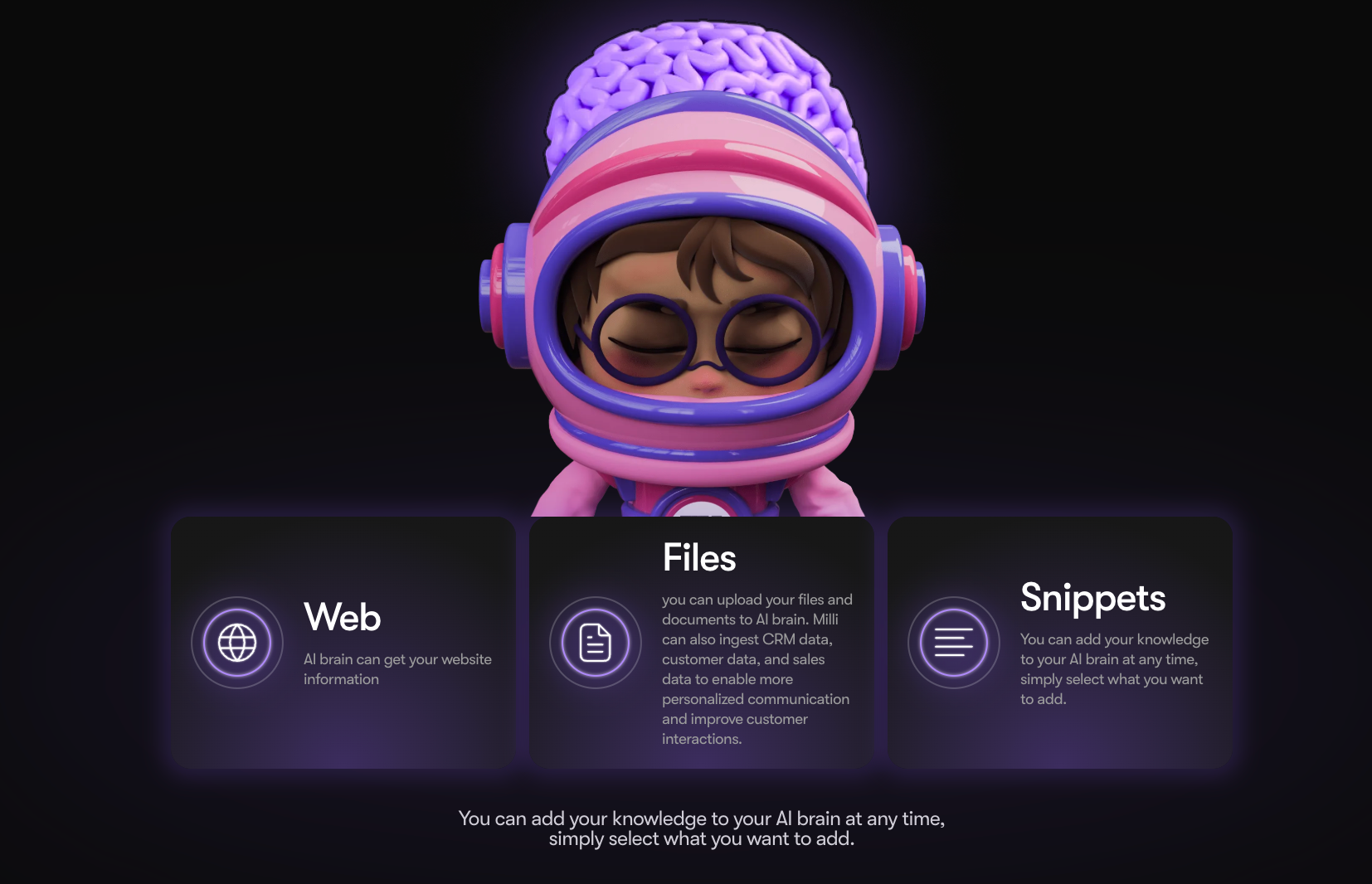
You can fix this with Milli by Sintra AI, an AI employee that unifies and cleans your data. It connects to your CRM, email, and marketing tools to verify details and fill gaps automatically.
With Milli, you can:
- Find outdated or incomplete records
- Merge duplicate entries
- Detect missing deal information
- Keep your CRM organized for accurate forecasting
Connected data builds a solid base for every prediction your AI makes
Step 2 – Choose the Right Predictive Sales AI Tool
Not every predictive AI platform does the same thing. Some focus on lead generation and scoring, while others specialize in sales forecasting, pipeline visibility, or automation. The right choice depends on your team’s goals, existing software, and budget.
Look for a solution that:
- Integrates easily with your CRM or communication tools
- Offers dashboards and reports (no complex setup)
- Supports both small and large sales teams
- Has flexible pricing and trial options so you can test before you scale
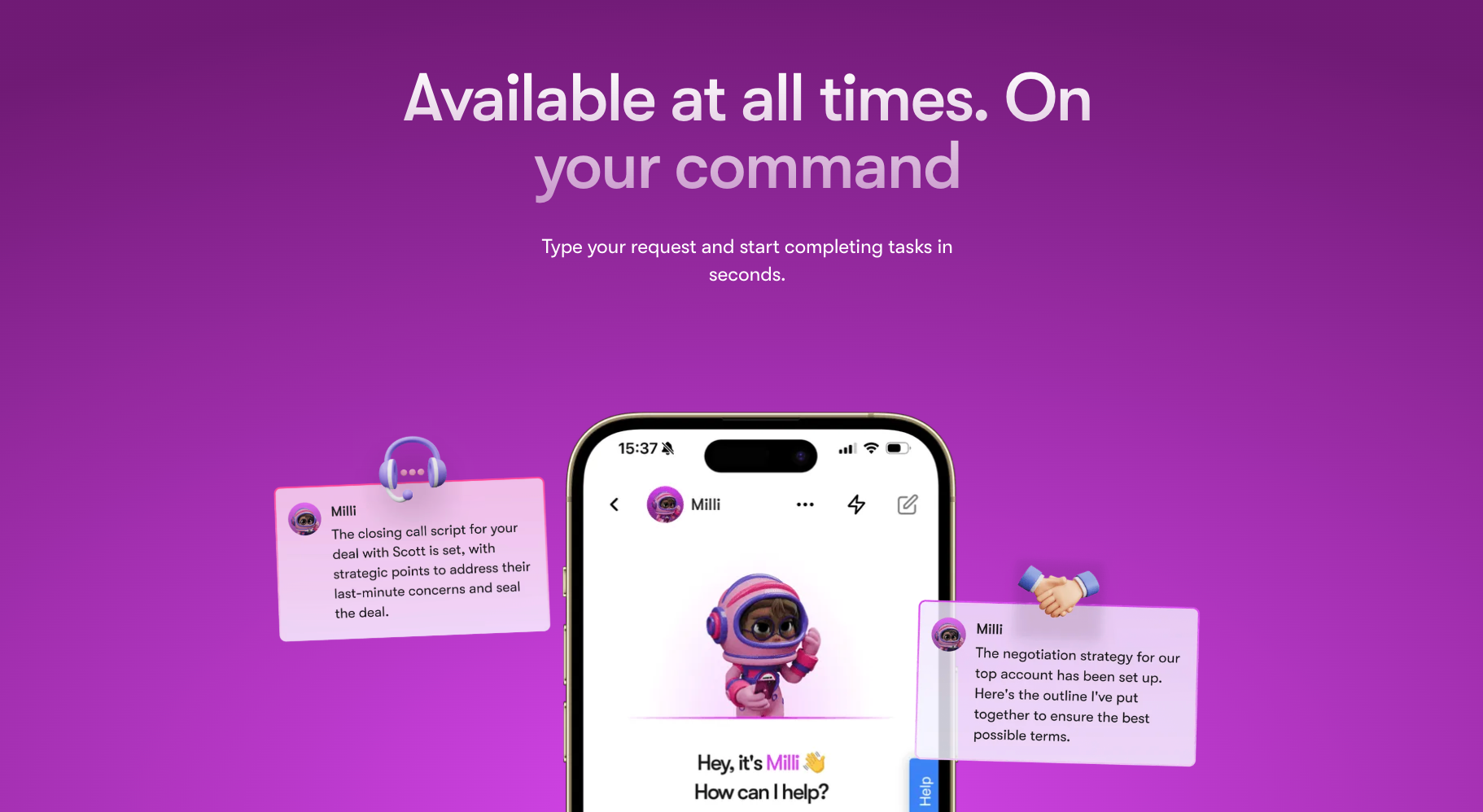
Modern AI software can automate repetitive tasks, reduce manual work, and connect multiple systems into one platform. For example, tools like Milli act as an intelligent AI Sales Manager, tracking the sales pipeline, forecasting revenue, and suggesting smart follow-ups.
Step 3 – Train Your Team to Use AI Insights Effectively
The biggest difference between companies that succeed with predictive sales AI and those that don’t usually comes down to people, not technology. Even the most advanced AI sales strategy generators are only as effective as the sales team using them.
Encourage your team to:
- View AI predictions as guidance, not absolute truth
- Compare forecasts with real results to understand patterns
- Use insights to prioritize leads, schedule timely follow-ups, and personalize outreach
- Share feedback about what feels useful or confusing
Training doesn’t have to be technical. A few short sessions can help reps learn how to read AI recommendations, track performance, and use data confidently in their day-to-day sales strategy.
Tip: Start with one early adopter on your team who can test the system, share results, and teach others. This helps build trust and reduces the learning curve for everyone else.
Step 4 – Track ROI and Continuously Improve
Once your predictive sales AI tools are live, ongoing monitoring is key. Track how well forecasts align with actual results, and make small adjustments as your data grows.
Measure success with questions like:
- Are forecasts becoming more accurate over time?
- Is the sales team saving time on admin work?
- Are conversion rates or average deal sizes improving?
Regular tracking helps prove ROI and uncover new opportunities for automation. Over time, AI forecasting software becomes more accurate as it learns from every deal, lead, and customer interaction.
The Future of Predictive Sales AI
The future of Predictive Sales AI is about creating smarter tools that help teams make quick and accurate decisions every day.
As artificial intelligence continues to advance, these tools will not only predict what might happen but also take action to help sales teams work faster and smarter. Here is what to expect for predictive AI and how it will shape the sales process in 2026 and beyond:
Real Time Forecasting and Faster Insights
Older forecasting tools use past numbers that can quickly become outdated. New predictive sales AI tools use real-time data from CRMs, emails, and calls to update forecasts as things change.
This means your sales pipeline can refresh automatically, showing which leads are active, where deals might slow down, and what needs attention right now. Teams can act faster, plan better, and stay in control.
As machine learning improves, forecasts will adjust instantly to new trends in demand, pricing, or market conditions.
Smarter AI That Takes Action
The next step for predictive AI is agentic AI, which goes beyond analysis and starts taking action. These tools can send follow-ups, update your CRM, or even suggest what to say next in an email or call.
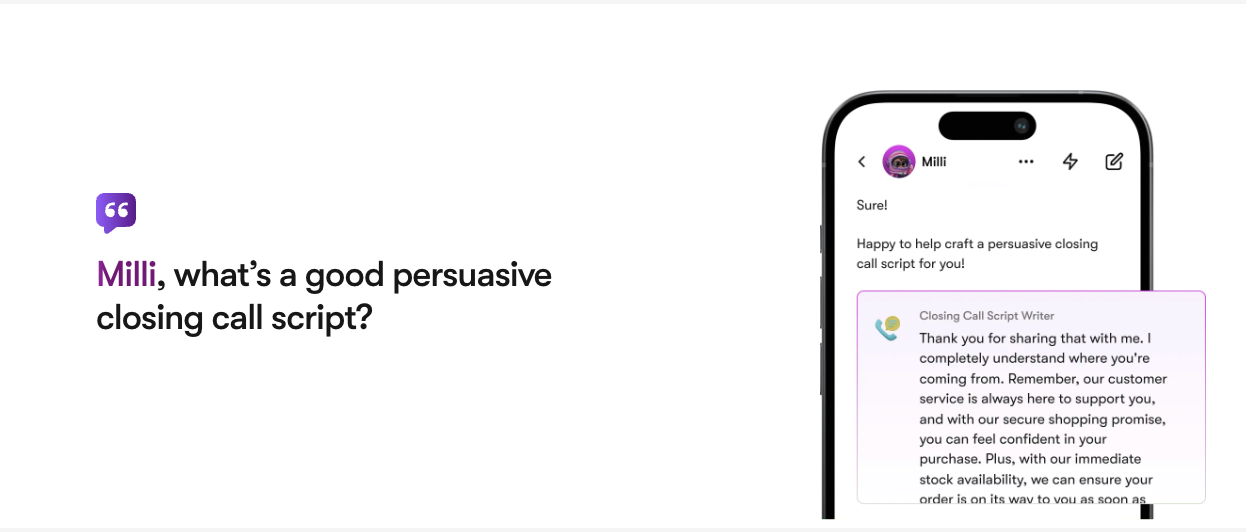
Think of it as an extra teammate that handles repetitive work, giving your sales team more time to build relationships and close deals.
Tools like Milli by Sintra AI make this possible. Acting as an AI helper, Milli can spot when a lead becomes active, send timely reminders, and even draft outreach messages based on previous interactions.
Multi-Channel Sales Automation
Future predictive sales platforms will connect all your channels, including email, chat, calls, and ads, into one platform. AI will track how every customer interacts with your company, no matter where it happens.
If someone clicks an ad or sends a message, the system can instantly update their lead score and recommend the next step. This type of connected automation helps teams respond faster and keeps the sales strategy consistent across all touchpoints.
More Context-Aware AI
Soon, predictive AI will understand more than just numbers. It will start recognizing context, such as tone, intent, and emotion. These smarter tools will help sales teams see not only what might happen, but why.
For example, an AI system could recognize when a customer sounds unsure or when a deal is close to closing. These insights will make AI forecasting tools more human and more useful.
Easier Access for Every Business
AI technology is becoming easier to use and more affordable. In the near future, small businesses and sales teams will be able to use the same powerful tools that large companies rely on.
Simple integrations, no-code dashboards, and guided AI assistants will make setup quick and learning easy. This means every company, from startups to home services providers, can use predictive AI to make better decisions and grow faster.
Bottom Line
Sales has always been about understanding people, what they want, when they’re ready, and why they choose one brand over another.
What’s changing now is how we read those signals. Predictive AI doesn’t take the place of human intuition, but gives the clarity to act sooner, the confidence to plan better.
The companies that will win the next few years won’t be the ones with the biggest teams or budgets. They’ll be the ones that can see change coming and move first. Predictive sales AI gives you that kind of vision to see the story behind every number before it’s written.
FAQs
How is AI used in sales forecasting?
AI looks at past sales data, customer behavior, and market trends to predict future results. It helps teams see which deals are likely to close, when demand might rise, and where to focus their time. This makes sales forecasting faster, more accurate, and less dependent on guesswork.
How much does Predictive Sales AI cost?
The cost depends on the tool, features, and size of your sales team. Basic predictive sales AI tools can start at a few hundred dollars per month, while advanced systems with full automation and data integrations may cost more.
Many platforms now offer flexible pricing, so both small and large businesses can get started easily.
Is there an AI for sales?
Yes. Many companies use AI software to help with lead scoring, forecasting, and follow-ups. These tools analyze data, find buying signals, and recommend the best actions for each lead or customer. Tools like Milli from Sintra AI work as a personal AI sales manager, helping you plan, track, and grow.
Is there a Predictive AI?
Yes. Predictive AI uses machine learning to find patterns in data and make forecasts about what will happen next. In sales, it helps companies predict demand, spot at-risk deals, and plan smarter sales strategies.
It is one of the most useful types of artificial intelligence for improving sales performance and business growth.
Related articles




.avif)