



How Small Businesses Can Use AI Tools

Table of Contents
You're drowning in busy work, and your competitors are zooming ahead.
While your competitors are closing sales and expanding their businesses, you are still stuck answering repetitive customer queries.
The fact is, AI is no longer a luxury for tech giants. AI tools have become so accessible that even a solopreneur can afford them. The results for those who adopt are measurable - U.S. small businesses using AI are seeing higher rates of both sales and hiring growth than non-adopters, 82% of small businesses using AI grew their workforce in the past year, and AI-adopting SMEs sit 40% higher in the top productivity decile than those at the bottom. And they're not complicated either; most are ready to hold the reins of your business instantly.
This guide takes you through how small businesses can use AI tools to automate the dull stuff, provide better customer service, and actually have the time to think strategically. The best part, you don't need a tech degree.
Why AI Matters for Small Businesses Today?
Let's face it: five years ago, AI meant consultants and custom development. That phase has long gone.
Today's generative AI agents are less expensive than employing an assistant. They integrate with the software that you already use. And they solve the exact problems that keep you up at night: not enough hours, too many tasks, and customers who expect instant responses using ecommerce AI tools and benefits.
The playing field just evened out. Small businesses now have access to a new technology that Fortune 500 companies use to optimize everything. The difference? You can move faster because you don't have layers of approval slowing you down.
This is already known to your competitors. A national survey by Thryv found that businesses are using AI tools more than before. With 55% using it in 2025 compared to 39% in 2024, an increase of 41% in a single year. It is not about whether to embrace artificial intelligence, but how fast you can begin to do so.
Key Benefits of AI Tools for Small Businesses
Give up thinking of AI as futuristic technology and instead see it as a way to reclaim time.
- Time savings: AI tools automate repetitive tasks that consume your time. Entering data, scheduling, and e-mail replies are no longer required. Most small businesses using AI anticipate saving $500 to $2,000 hours or more per month, based on a survey of AI users by Thryv; that’s over a half a workweek you can get back to work on what actually grows your business rather than sustains it.
- Cost saving: Having a full-time customer service employee costs $35,000+ per year. A chatbot powered by AI is a tenth of the price and does not have sick leaves. The average chatbot will cost between $500 and $5,000 a month, whereas a customer service representative will cost $3,873 a month. Replacing people is not an option; you are providing your team with the superpowers to focus on the complex work that really requires a human touch.
- Better decision-making: AI tools can analyze your sales data, customer interactions, and market analysis much faster than humans. It finds opportunities you might miss. A local gym used machine learning to identify members who were about to cancel, then made proactive, personalized retention offers. Churn dropped 25%.
- Customer experience improvements: People now demand instant answers. AI delivers. It remembers all customer interactions, personalizes its responses, and is never frustrated. Your customers are getting better service while you are sleeping.
The many benefits add up fast. Businesses using AI tools claim a 30% to 40% increase in productivity within six months. That's not hype; that's what happens when you stop doing robot stuff and start doing human stuff.
Practical AI Use Cases for Small Businesses
Sound familiar? You know AI is spreading everywhere, but where do you begin to get your part of this gain?
Here are the hard-and-fast places where small-business AI is making the most significant wins, with some real examples you can apply tomorrow.
Everyday Tasks
Think about all the things you do that seem like torture, but that have to get done no matter what, like scheduling meetings, entering expenses, sorting invoices, and cleaning up your inbox.
AI crushes this stuff.
Your calendar can be read, availability checked, and meeting invitations sent all at the touch of a button. Or even with a voice command or a text, when using virtual assistants such as Brain AI. You send a single message, and the AI handles the two-way communication, so you don't have to spend hours organizing schedules.
Data entry? Done automatically. AI reads receipts, organizes expenses, and updates your accounting software.
Invoicing becomes automated as well. AI tools create invoices from timesheets, issue payment reminders, and monitor payments. Rather than having to track down late payments manually, automated follow-ups can nag customers. Customers respond better to frequent, polite reminders them to infrequent emails from stressed-out business owners.
The result? The average reduction in labor hours workers have saved with generative AI was 5.4%. It equates to 2.2 hours per week when applied to a 40-hour workweek, according to Federal Reserve research.
It's a way to devote to positive business development rather than time-consuming tasks.
Marketing and Content Creation
Creating content is time-consuming. Blog posts, social media captions, email campaigns, it never stops.
Generative AI tools are a game-changer for small business owners.
AI Tools like Penn (a copywriting assistant by Sintra) can create a blog post in a few minutes rather than hours. You assign it a subject and your brand voice, and it produces refined content. Advertising agencies use it to generate weekly social posts. It allows their staff to concentrate on marketing strategy and client relationships rather than sitting in front of blank screens, unsure of what to write in the captions.
SEO becomes manageable with the right AI SEO tool. Artificial intelligence researches your rivals, recommends keywords that really perform, and automatically optimizes your material. Seomi (Sintra SEO expert) visits your site once per week, identifies technical issues, and tells you exactly what to fix.
Small businesses are also ranking higher in search engines because AI can locate the technicalities that would otherwise cost a business owner a fortune to hire an agency.
Email personalization scales. Rather than mailing the same newsletter to all of your list, an AI tool analyzes your list and uses behavior to write individual messages. Nielsen Norman Group indicates that business professionals can write 59% more documents using generative artificial intelligence (AI) tools than they can write manually. People actually open emails when they are relevant rather than generalized.
Campaign analytics? AI does the crunching and tells you what's working. So, you no longer have to guess which ad got stronger results or why your last email was a failure.
Customer Service with AI
Your phone rings at 9 PM. It's a customer inquiring about store hours. Again!
Common customer inquiries take up hours every day: questions about shipping, returns, pricing, and availability; the same ones over and over.
AI chatbots do this in an instant. They can answer questions 24/7, look up order status, set appointments, and transfer complicated problems to humans. Cassie (Sintra's customer support bot) reduced response time from hours to seconds for a freelance agency, handling 80% of tickets without human intervention.
The magic? Natural language processing lets customers type naturally ("where's my order?") rather than deal with clunky menus. The AI tool understands the context, draws on references from previous conversations, and provides tailored answers.
Customer engagement actually improves. People receive immediate assistance rather than waiting in line. Satisfaction scores increase because no one likes to hear "your call is important to us" for 20 minutes.
Real Example: A small online retailer used an AI chat system that could answer product questions during checkout. Cart abandonment has decreased by 18% since customers received instant answers to their doubts.
HR and Recruitment
Hiring is painful. Screening 200 resumes for a position, scheduling interviews, and writing job descriptions that must attract good candidates.
AI tool streamlines everything!
Scouty (Sintra's recruiter bot) screens resumes according to your criteria, finds the best matches, and automatically reaches out to candidates. For small business owners, it cut hiring time by 50% by automating busywork while allowing humans to handle the final interviews.
AI generates job descriptions based on your requirements and optimizes them for job boards. No more looking at a blank screen trying to figure out how to say "self-starter with excellent communication skills."
Onboarding gets automated as well. AI tool sends welcome emails, schedules training, and tracks completion. Rather than days filled with dicey first-week training, your new hires receive consistent, structured experiences.
Employee productivity improves when HR tasks do not become a gridlock to growth. You can scale your team without increasing your HR headcount.
Data Analytics and Smarter Decision-Making
You are sitting on a treasure trove of information. Shopping behavior of customers, visits to the website, opening of emails, and sales trends.
But what does it mean? Which are the most valuable customers? When are you supposed to do the promotion? What other products do you need to stock?
Dexter (the data analyst bot at Sintra) is responding to such questions by crunching the numbers that you do not have time to analyze. It identifies trends, forecasts customer behavior, and produces weekly reports that support factual decision-making.
Real case: A startup applied AI to analyze their CRM data and found that customers who read educational content were 3 times more likely to purchase. Their marketing strategy changed accordingly, and in a quarter, the company realized a 25% increase in its revenue.
Machine learning is predictive of future events. It predicts inventory requirements and customer at-risk levels, and recommends inventory optimization. You make decisions grounded in information rather than on emotions.
This is a competitive edge because opportunities are identified sooner than those of others who are still assessing them in a spreadsheet.
How Sintra.ai Empowers Small Businesses with AI Bots?
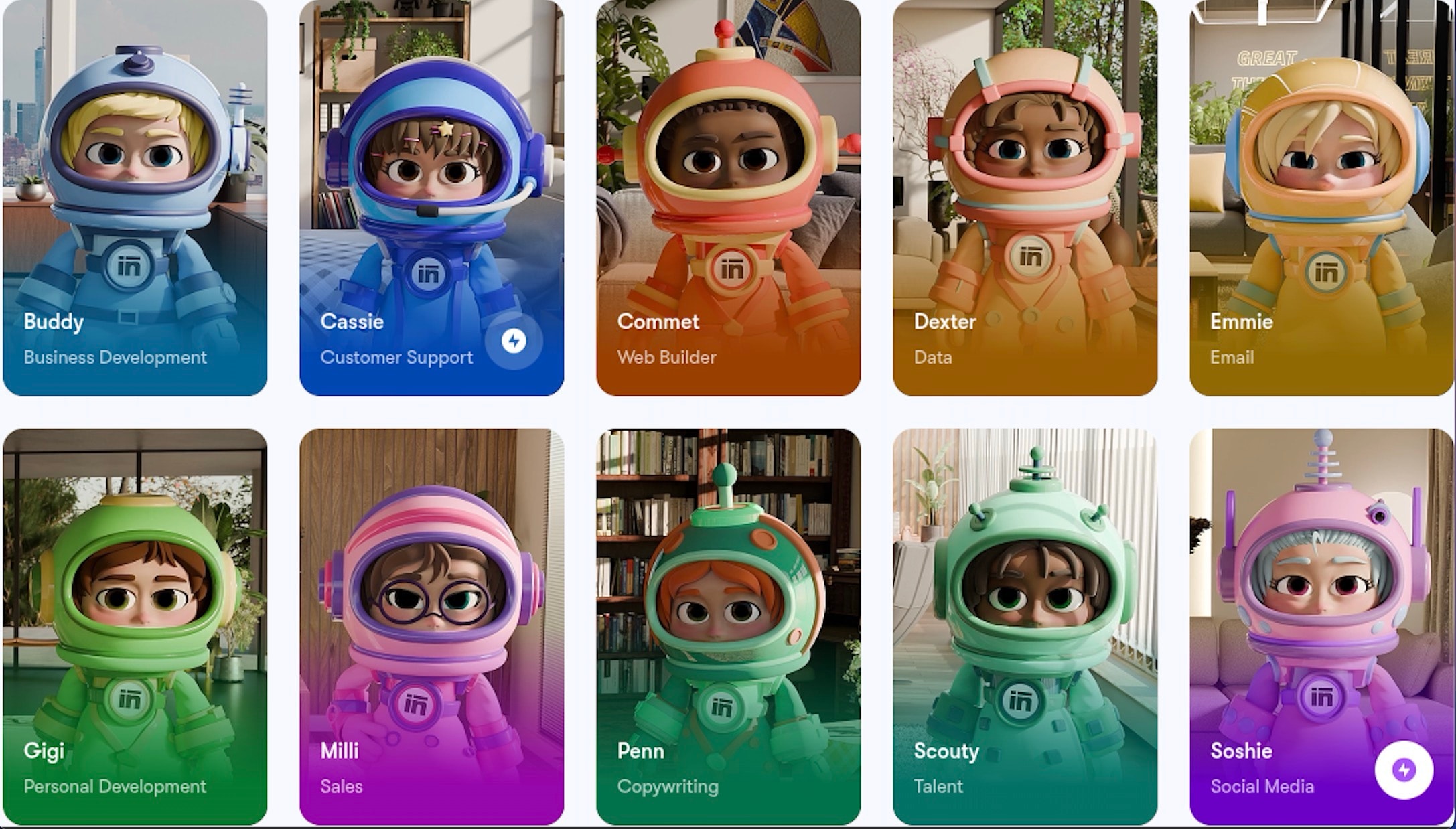
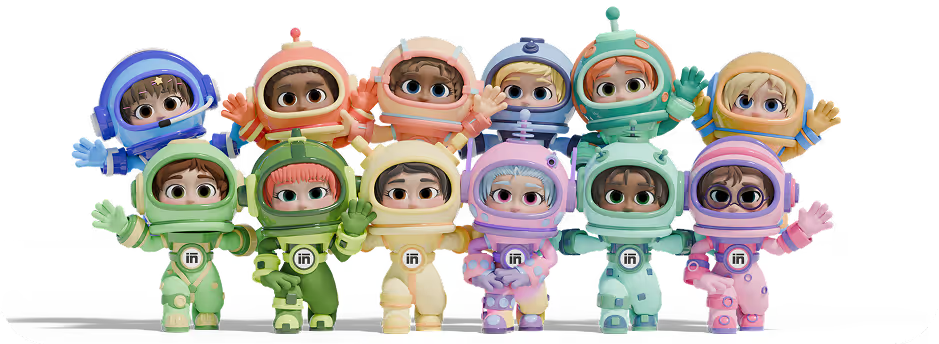
Put down the ten tools you are juggling. Sintra.ai provides you with a whole squad of dedicated AI bots that collaborate via a single platform.
Imagine that you are employing the entire department's staff at a reduced rate compared to hiring an individual employee.
Seomi
Seomi handles your SEO. It performs an audit of your site once a week, monitors your keyword rankings, and informs you exactly what is wrong. This is because Seomi identified technical issues that their former agency overlooked, which led one local business to increase organic traffic by 35%.

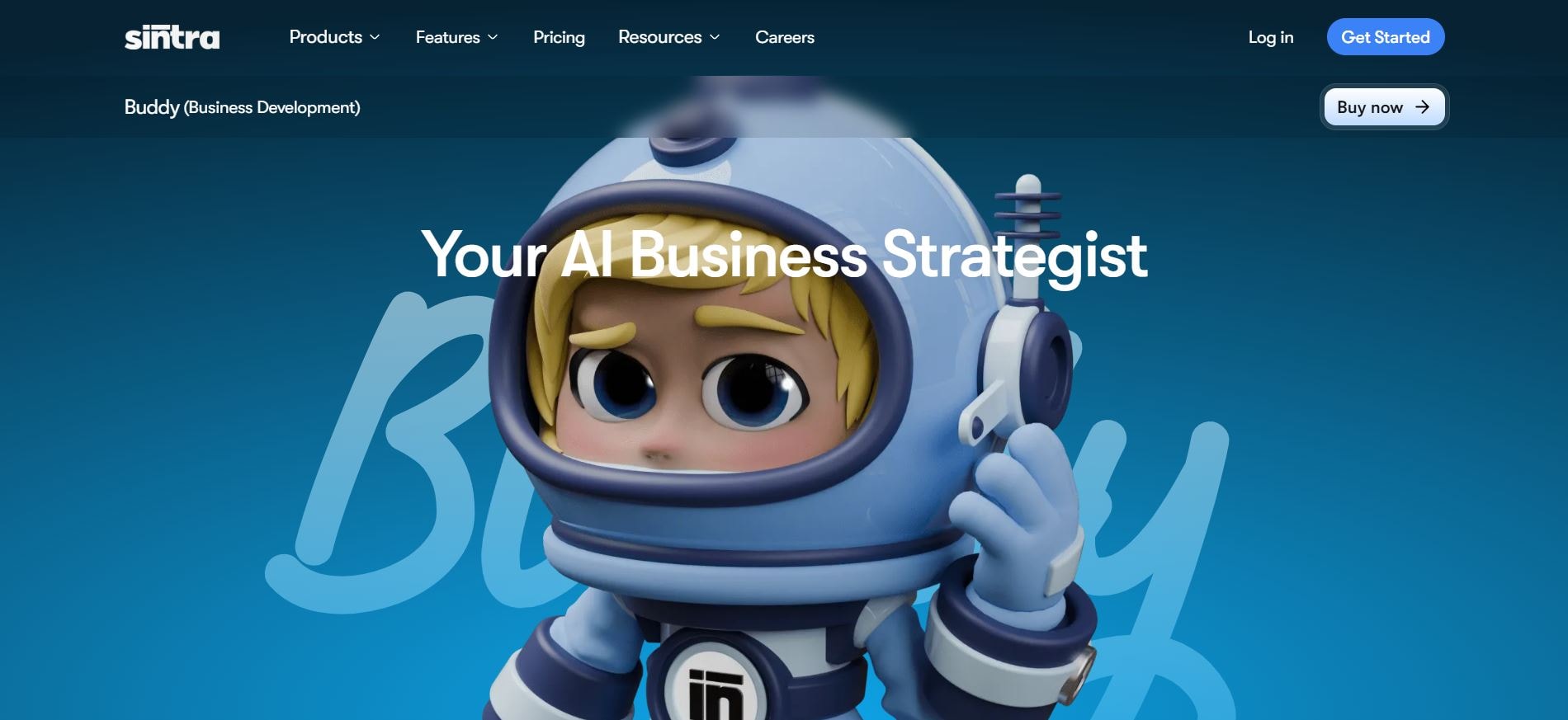
Buddy
Buddy takes care of business development. It sends customized outreach emails, conducts LinkedIn research, and automates follow-up. A e-commerce store relied on Buddy to find 50 prospective partners per week, resulting in a 30% higher response rate without manually sending cold emails.
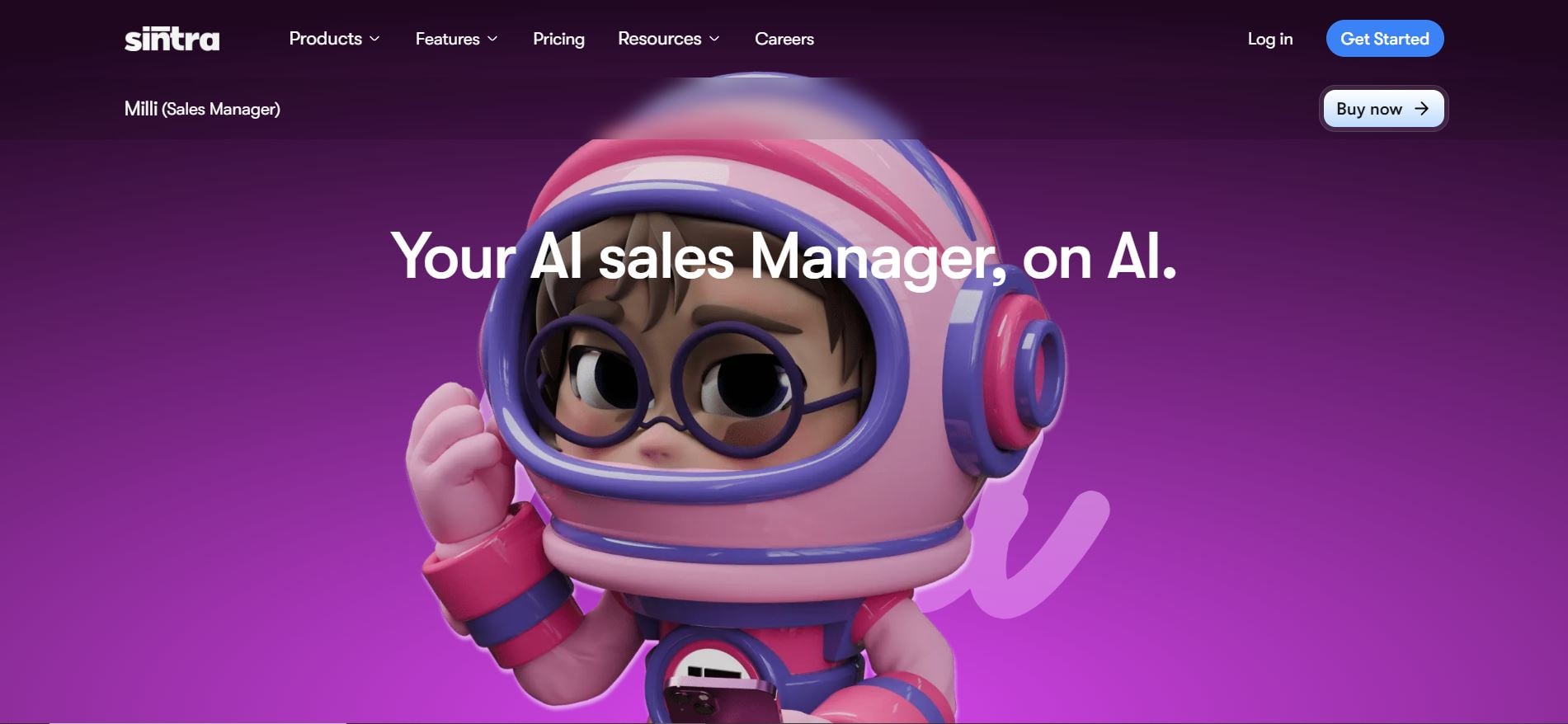
Milli
Milli runs your sales pipeline. It qualifies, proposes, and syncs with your CRM to keep your records up to date in real time. A small sales team will close deals 20 times faster because Milli will focus on hot leads and recommend personalized pitches.
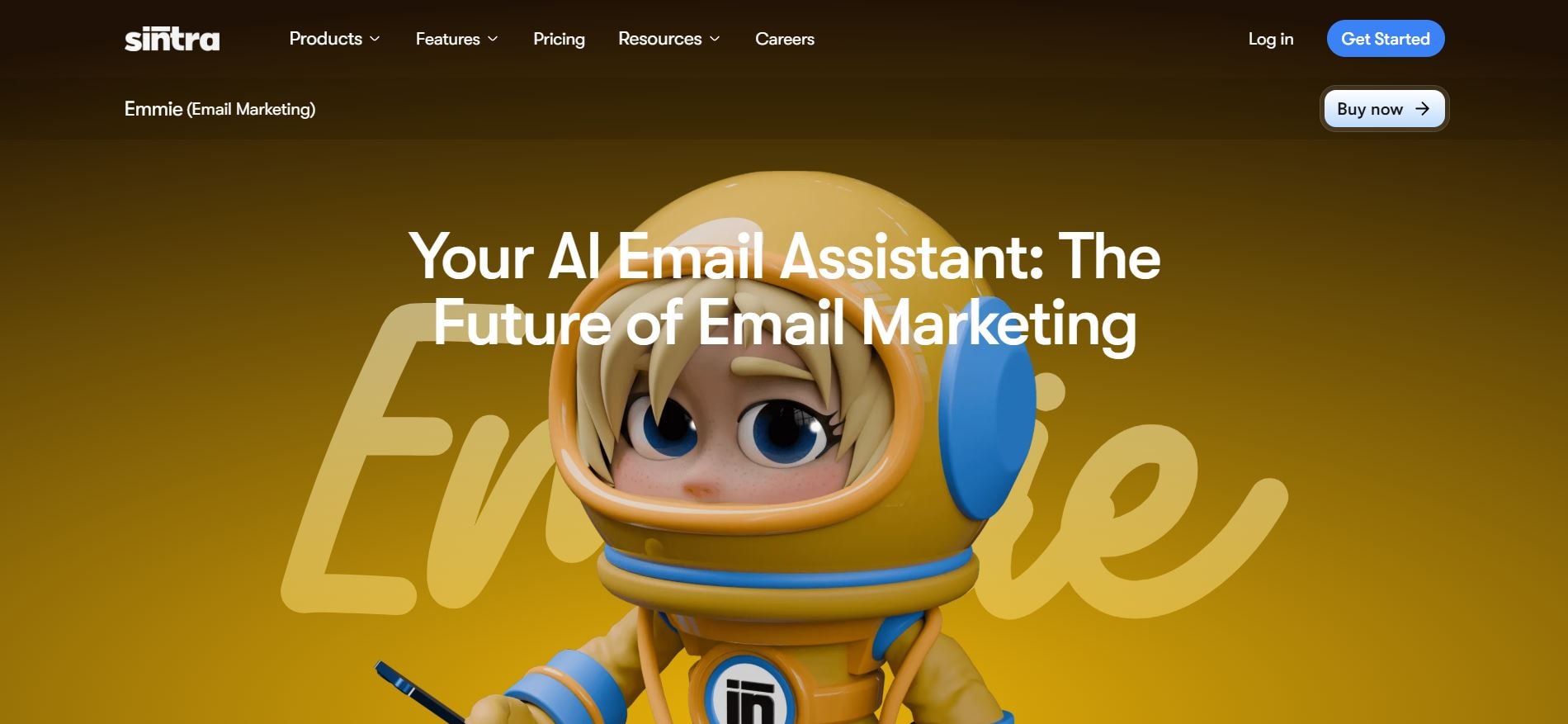
Emmie
Emmie deals with email marketing. It creates campaigns, runs A/B tests on subject lines, and customizes content based on subscribers' actions. A solopreneur increased the open rates by 40% and the drip sequence by 1,000 subscribers.
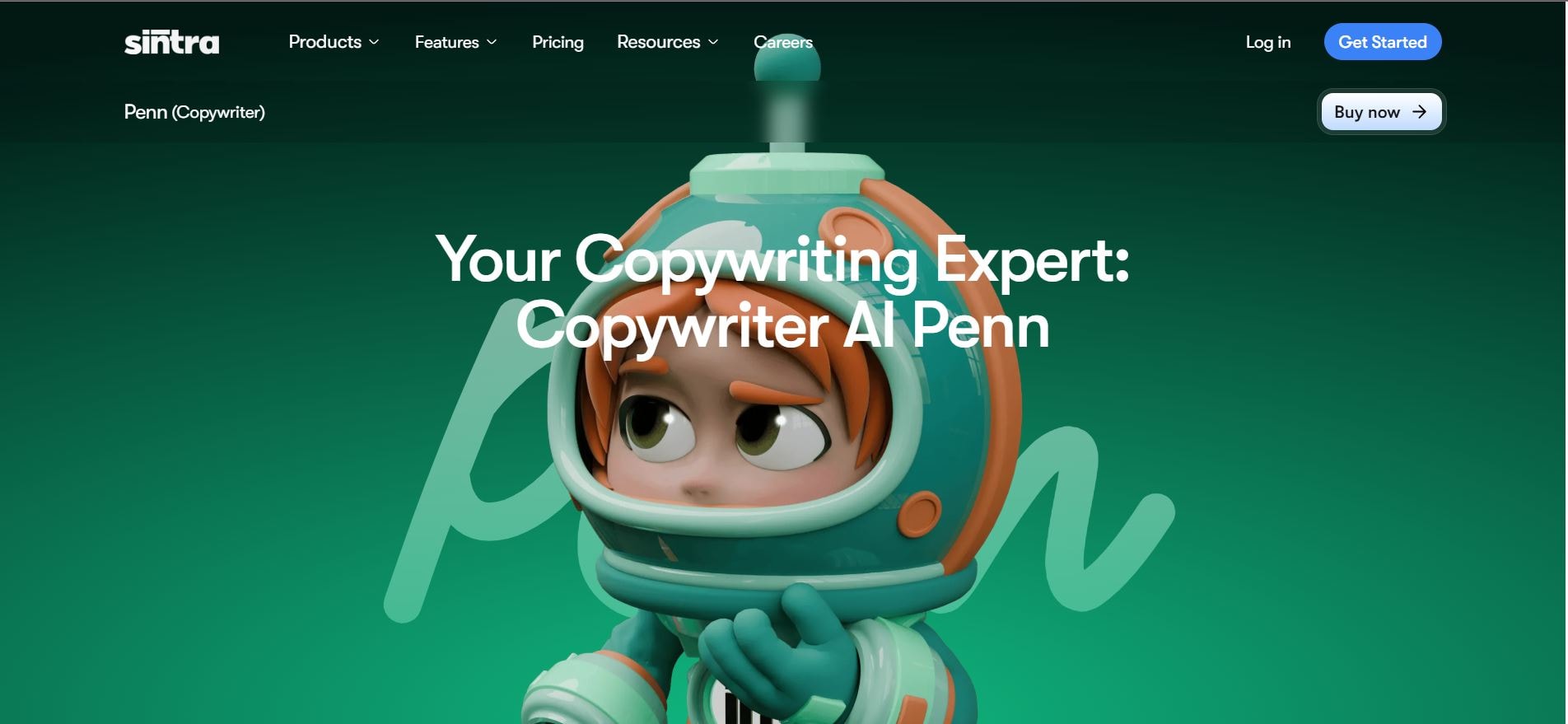
Penn
Penn creates your content. It optimizes your brand voice and SEO in blog posts, ad copy, and social captions. Marketing teams save hours per week while giving consistent output.
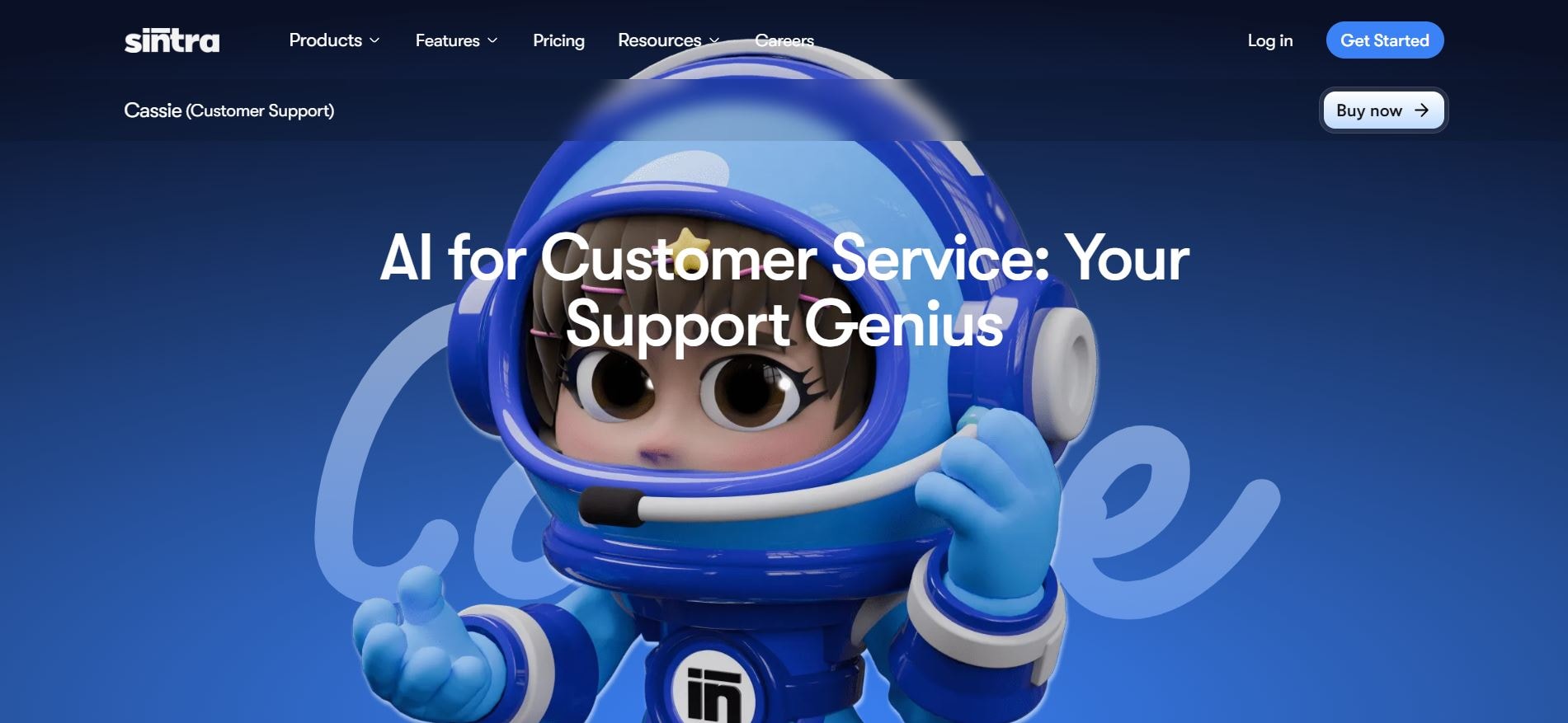
Cassie
Cassie is in charge of customer support. It supports AI-based responses to inbound requests, forwards complex booking requests to human operators, and monitors interactions to make individual follow-ups. Response time was reduced to minutes by support teams.
Dexter
Dexter analyzes your data. It creates dashboards, identifies trends, and delivers actionable insights for strategy. Companies can identify customers at risk earlier and change their approach.

Scouty
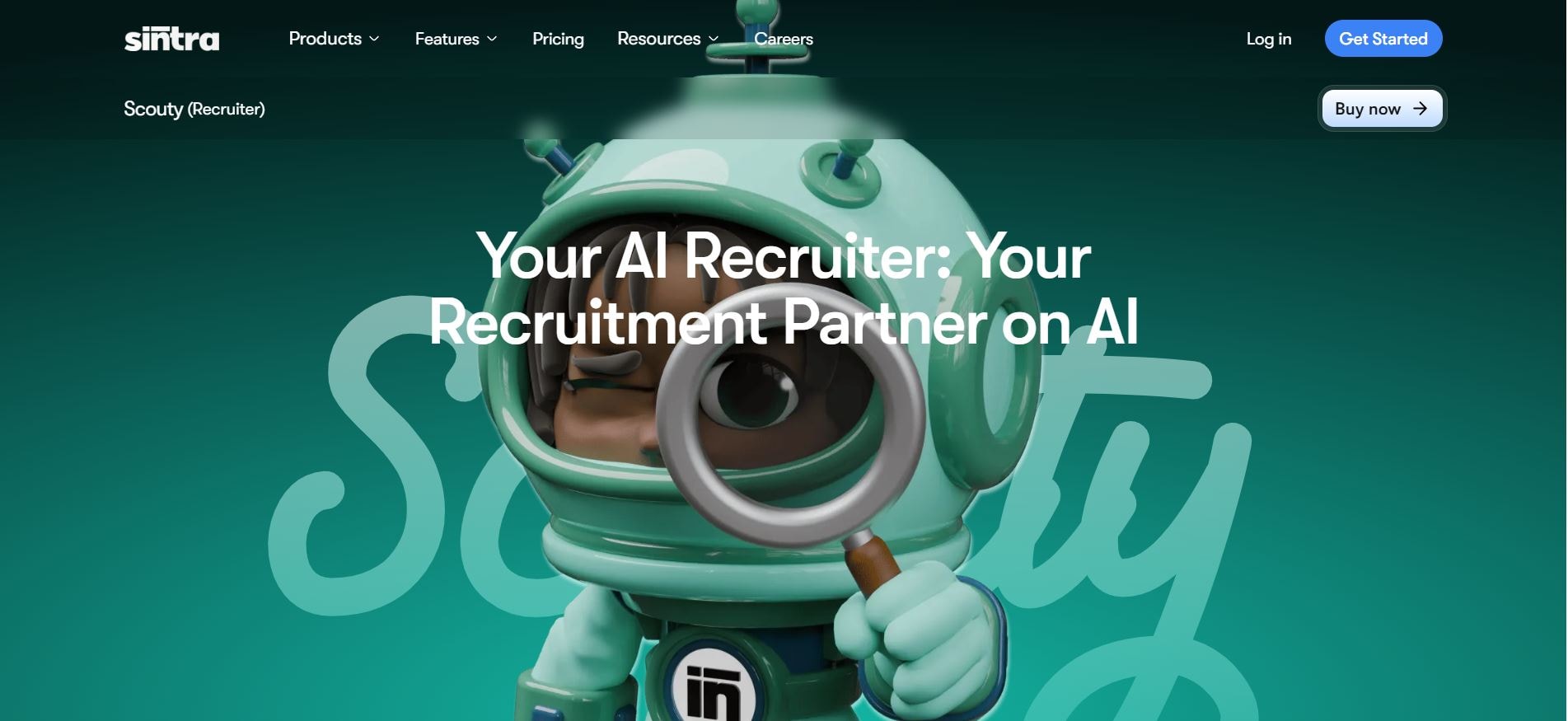
Scouty streamlines hiring. It screens resumes, schedules interviews, and sources candidates throughout the platforms. Small business owners grow 50% faster without agency fees.
The difference is that all these bots are connected through Sintra's Brain AI hub. They have context, they learn from your preferences, and they work together. No juggling of logins, copying data from one tool to another tool.
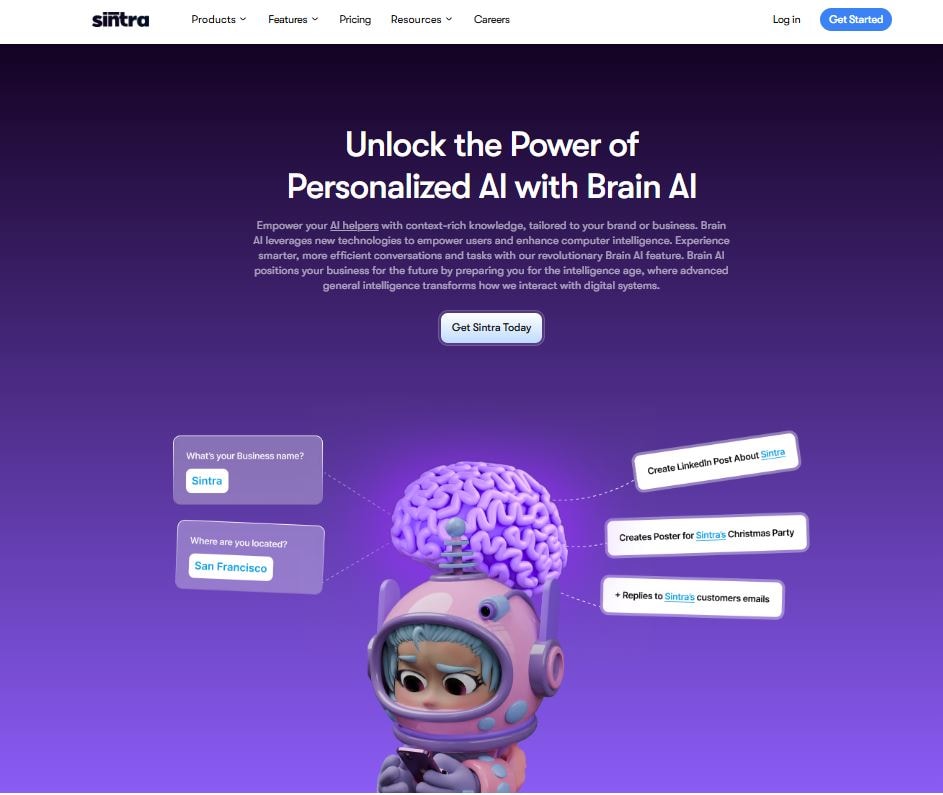
For quick SEO wins, start with one bot (e.g., Seomi) and add more as your needs grow. The entire team grows as your business grows.
Are you ready to implement AI and save your time? Test Sintra’s AI helpers or learn about Vizzy, your AI virtual assistant, to see how AI can be used to boost your business growth. To explore the AI platforms further, read about the best AI agents in 2026.
Overcoming Common Challenges When Adopting AI
What’s holding you back?
"My data is a mess." Fair point. AI tools thrive on clean data, though the trick is to take tiny steps. Select any workflow with good data there (e.g., customer emails) and test it. You do not need perfect data to get results; you need sufficient data. Clean as you go.
“The term 'integration' seems too dense.”. It used to be. Today, most AI tools can be integrated into your existing software in minutes. Think Zapier-level easy. The Sintra bots are compatible with email, calendars, CRM, and social sites without code modification. If you can set up an app on Gmail, then you can connect AI too.
"What about the cost?" Compare it to alternatives. Even a part-time assistant will cost the business $15-$20k per year. Most AI tools cost $50 to $200 per month. The ROI is demonstrated quickly; one automated workflow will usually justify itself in the number of hours saved within weeks.
“Everyone is worried about security risks”. Valid point. Use SOC 2, encrypted, and clear data AI providers. Don’t provide your customer with credit card or password information for AI. For confidential data, seek applications that offer a private deployment feature. The majority of reputable AI platforms are concerned about security since their business relies on it.
"My team will resist change." They might. The way to do it is as follows: First, automate the jobs that they dislike. No one likes filling out forms or sorting emails. Show quick wins first. Resistance quickly dissipates when they realize that AI will free them from tedious tasks. Present it as a job-enrichment tool rather than a job eliminator.
"What if it makes mistakes?" It will. AI technology isn't perfect. This is why you begin with low-risk tasks and use human review in critical decisions. Write emails using AI, and you press the send button. Allow it to shortlist resumes, and you give final interviews. It is augmentation, not blind automation.
Start simple. Test one use case, and measure results. Expand what works. That is the easy acculturation route.
Getting Started: Steps to Implement AI in Your Small Business
Are you tired of repetitive tasks required again and again? Here's your roadmap.
Step 1: Find out the most time-consuming task
Monitor the time loss in an hour per week. Customer emails? Social media? Data entry? Choose the most painful monotonous job. That's your starting point.
Step 2: Select one AI-Powered tool for that particular problem
Don’t purchase an entire suite at once. When a chatbot is the place to begin, customer service is eating up your time. When the content creation is dragging, experiment with a writing assistant. Match the tool to the pain point.
Step 3: Start with a pilot
Run an AI-powered tool for 30 days with a single workflow. Measure the time you saved and the quality you maintain, and gather team feedback. One restaurant piloted an AI reservation system for one month and found that booking errors reduced by 60%, after which it was fully implemented.
Step 4: Educate your staff effectively
AI is more effective when individuals understand it. Demonstrate to them how to push the right buttons and what it can do, and what it cannot, and why it makes their lives easier. Provide them with timely templates and examples. The same AI tool gives results three times better in a well-trained team.
Step 5: Measure what matters
Measures of hours saved, cost reduction, change in customer satisfaction, and change in revenue. Real numbers justify expansion. Assuming your chatbot saves 10 hours/week at $30/hour, it will save you $15,600 per year. Note it.
Step 6: Scale what works
After a workflow is successful, identify the next problem. Add AI incrementally. And do not attempt to automate everything at the beginning; this is how projects fail. Build momentum with wins.
Step 7: Review & optimize quarterly
AI boosts efficiency over time as it learns your business. Check performance after every three months. Change prompts, broaden use cases, and drop what is not profitable.
Those businesses working with AI software are small at the beginning, as they can establish value quickly and grow systematically. They do not attempt to change everything in a night.
Frequently Asked Questions
How much does it cost to implement AI in a small business?
On the lower end, AI tools such as chatbots cost $10 to $50 per user a month. The cost of a chatbot can range from $50 to $ 200 per month, depending on the number of conversations. Complete automation systems, such as Sintra, cost between $100 and $500 per month as part of complete packages.
Compare it with employing a person at $15 to $20k per year. The time savings alone enable most businesses to break even in 2 to 3 months. Begin with free trials to find out before you leap.
Can AI really help my business compete with larger companies?
Absolutely. Large organizations are slow because they have approval chains and legacy systems. You can embrace AI more easily and change faster. AI tools provide the same productivity and insights as the larger companies, but in weeks rather than years.
The reality is that small businesses are increasingly adopting AI because they are more agile. A 3-person marketing agency is now competing with 20-person agencies by using AI-powered tools to automate the production work.
What are some easy ways to start using AI in my business?
Begin with generative AI tools for content creation, such as writing blog articles, generating social media posts, or email replies. Response to customer queries on your website through a chatbot. Experiment with AI scheduling assistants to remove ping-pong in your calendar.
Automation of invoices and follow-ups. These provide instant value without complicated installation. Choose the one that gets you out of the biggest headache today, and experiment with it for at least 30 days.
Are there risks or downsides to using AI tools?
Yes. AI commits errors, particularly in complicated decision-making. It has the potential to propagate discriminatory training data. Some risks are associated with sharing sensitive information with the wrong platforms. Use tools with well-known privacy policies.
The solution? Begin with low-stakes operations, incorporate human verification of key choices, and rely on trustworthy vendors with high security. Do not blindly accept AI output; check on critical information. AI is a bright intern who should be supervised, not a substitute for your judgment.
How can Sintra.ai help automate my business processes?
With Sintra, you have specialized AI digital workers for tasks such as SEO optimization, customer support, sales outreach, content creation, data analysis, and recruiting. They combine into a single platform and exchange context using Brain AI.
You give assignments as you would to workers. Buddy is the outreach manager, Seomi is the SEO manager, Cassie is the support manager, and Penn is the content writer. You do not have to learn ten tools, but one group of AI employees.
Begin with a single bot in your most significant area of pain and build on the success. The platform is suitable because it does not add complexity for solopreneurs or growing teams.
Related articles





Copyright © 2026 PlayOS, Inc. All rights reserved